
CUPERTINO – The software update notification that appears on your iPhone this week will depend less on what Apple is working on than on which category of iPhone owner Apple has decided you are. That distinction became unusually visible on Monday, when three separate iOS release timelines were moving at once.
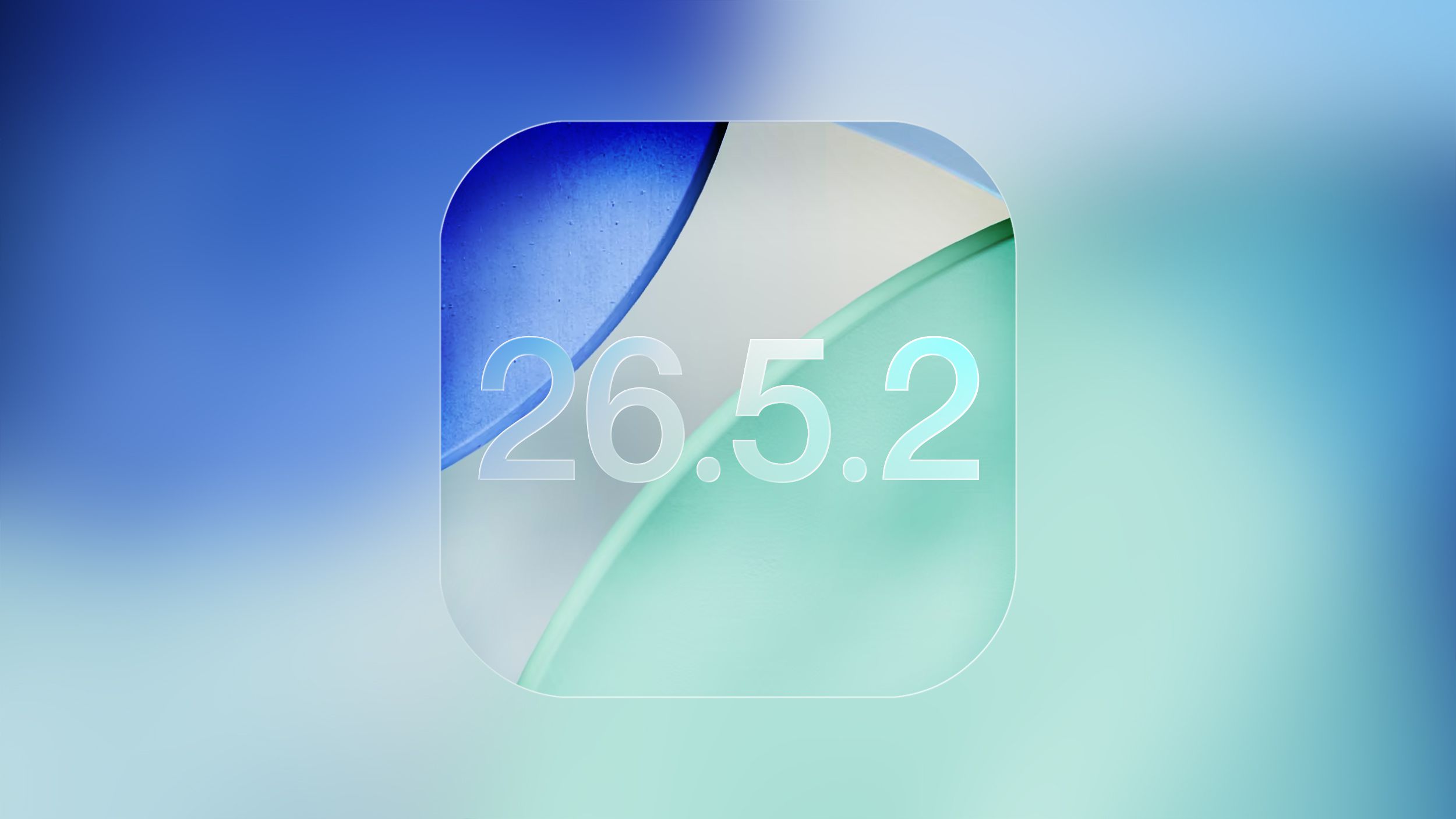
Apple engineers are internally testing iOS 26.5.2, according to visitor logs tracked by MacRumors and 9to5Mac – both of which have been reliable indicators of upcoming software releases. The first evidence of the update appeared late last week, and internal traffic from Apple networks has been growing since. No release date has been confirmed; both outlets estimate the update will arrive sometime this week or next.
At the same time, Apple on Monday released the second developer beta of iOS 26.6 – a feature-level update that is itself a bridge to nowhere for many users. And in the background, iOS 27 is already in beta, carrying the most significant overhaul of the iPhone’s operating system in years. Three tracks. Three different implied commitments to the people running them.
The reason iOS 26.5.2 exists at all is instructive. Its predecessor, iOS 26.5.1, was released earlier this month specifically to address a wired charging defect that hit iPhone Air and the four iPhone 17 models. That made 26.5.1 one of the rarer iOS point releases in recent memory – a patch that explicitly did not apply to most of Apple’s installed base. The natural follow-up, 26.5.2, will almost certainly carry whatever bugs are accumulating across the full range of supported devices, though Apple has not said what those bugs are.
That ambiguity is a feature of how Apple manages its release cadence, not a bug. Specificity about vulnerabilities before a patch is distributed serves attackers more than users. But it leaves the people waiting for an update with no clear understanding of whether the thing they’re waiting for is consequential or cosmetic.
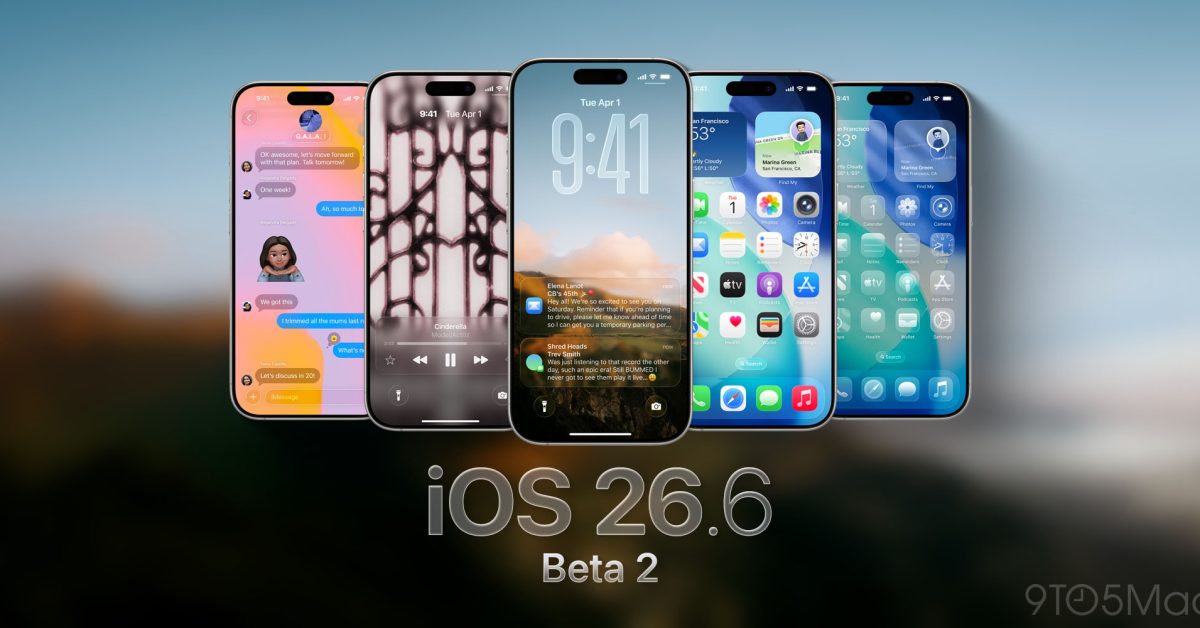
The iOS 26.6 situation is different in character but similar in effect. Apple released its second developer beta of 26.6 on Monday. The update has surfaced two notable changes since its first beta in late May: a new alert that fires when a user tries to block too many contacts, and early code for an anti-theft feature that would automatically lock an iPhone when it detects movement consistent with a snatch. Neither is finished. Neither is spectacular. iOS 26.6 is, in the plainest terms, a holding pattern – a numbered update that keeps the iOS 26 line alive while iOS 27 absorbs all available engineering attention.
What iOS 27 is doing with that attention is the more consequential story. Apple announced the update at WWDC earlier this month with an overhauled Siri that can act across applications, reason about on-device context, and execute multi-step tasks without human hand-holding at each stage. The security implications of that architecture are still being worked out. A public beta arrives in July. The full release comes in September.
The three-track release structure Apple is running right now – a bugfix for older hardware, a feature bridge for current-generation devices, and a major AI update staged for the fall – is not unique in Apple’s history. But its visibility is. In previous years, the iOS point-release line typically wound down once a major new version went into developer preview. The fact that iOS 26.5.2 is being prepared while iOS 26.6 is already in its second beta and iOS 27 is running parallel suggests the engineering demands of the AI integration have pushed Apple into a more layered release posture than it has historically maintained at this stage of the cycle.
9to5Mac noted that last year, iOS 18.6 beta 1 arrived after iOS 26 beta 1 had already shipped. By that measure, iOS 26.6 is running ahead of schedule relative to Apple’s 2025 rhythm. Whether that means the update will reach consumers sooner than usual, or that it will simply sit in beta longer, remains to be seen.
For iPhone owners not on the iPhone 17 series or iPhone Air – the vast majority of the global installed base – the practical picture is this: iOS 26.5.2 is being prepared for them, the timeline is days to weeks away, and it will almost certainly address bugs and potentially security vulnerabilities that Apple has not named. Whether it will address the specific issues various users have surfaced on forums since the 26.5 release – intermittent Bluetooth drops, occasional camera focus delays, CarPlay disconnections – is not something Apple has indicated.
The AI hardware split that Apple formalized at WWDC deepened the existing segmentation. Devices with 12 gigabytes of RAM – the iPhone 17 Pro line and iPhone Air – will receive the full suite of on-device AI features in iOS 27. Everything below that threshold gets a narrower version of the same update. That cutoff runs through the middle of Apple’s currently selling lineup in ways the company has been careful not to dwell on in its marketing.
What iOS 26.5.2 specifically targets, and when it will ship, are the two questions Apple has not answered. On the first: Apple does not pre-announce the contents of point releases. On the second: if the current internal testing cadence holds, the window is tight.