
DARWIN — Diphtheria was supposed to be a disease of the past, the kind of illness that crowds Victorian-era death registers and then all but vanishes from the record. In remote communities across Australia’s Northern Territory this year it came back, and for the first time in nearly a decade it killed someone.
Australia has now recorded 245 cases of diphtheria in 2026, the worst outbreak since national records began their modern count in 1991. The bulk of them, around 163, have been in the Northern Territory, many in remote Indigenous communities where the disease found exactly the conditions it needs. The single confirmed death has turned a public-health problem into something officials are willing to call a tragedy.
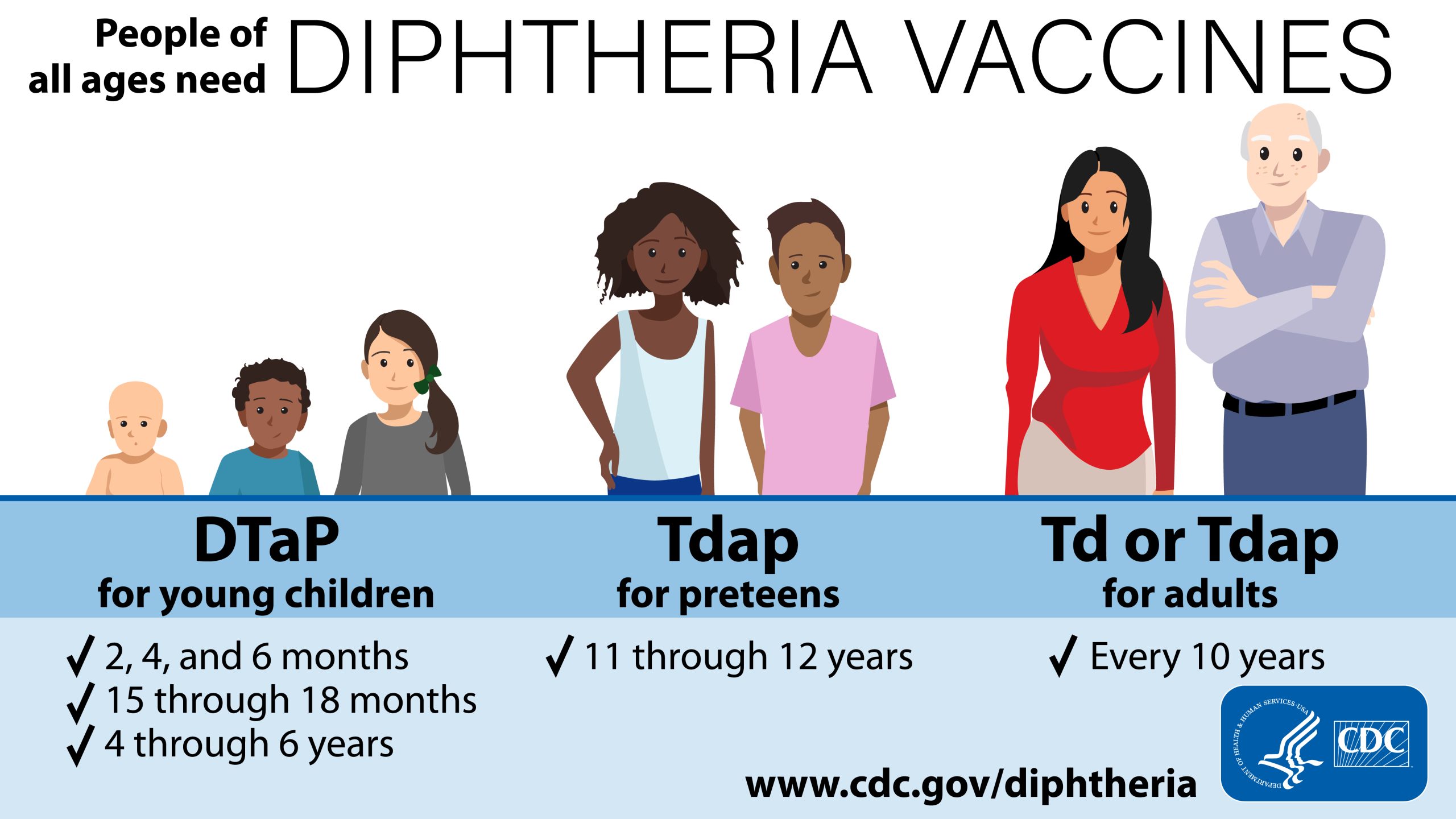
What makes that death difficult to absorb is that diphtheria is preventable. A childhood vaccine has held it at bay in wealthy countries for generations, which is why most Australians have never seen a case and many doctors have never treated one. When a vaccine-preventable disease kills in 2026, the question is rarely about the pathogen. It is about who was not reached, and why.
The bacterium itself is unforgiving. Diphtheria attacks the throat and can form a membrane that obstructs breathing, while its toxin can damage the heart and nerves, which is why health authorities classify it as a medical emergency requiring antitoxin and antibiotics fast. It spreads through coughs, sneezes and close contact, which means crowded housing and patchy vaccination coverage are not background details. They are the whole mechanism.
The outbreak did not arrive overnight. It built through late 2025, peaked in February and was formally declared by Northern Territory authorities in March, before spreading to Western Australia, South Australia and Queensland. In May the national Centre for Disease Control escalated it to a communicable disease incident of national significance. The territory’s response has since centred on a vaccination blitz that has reached more than 10,000 people, and the territory’s chief health officer, Paul Burgess, has said cases are now declining as a result. That is the part that argues against panic. The curve is bending the right way.

It is also the part that should not end the conversation. A blitz that immunises ten thousand people after an outbreak is a measure of how many were unprotected before it, and the communities hit hardest are the same remote and Indigenous ones that sit at the wrong end of almost every Australian health statistic. The federal government has committed about A$7.2 million to the response. The Northern Territory’s health minister, Steve Edgington, said the government had taken the situation very seriously and was working to understand the causes and contain it, language that acknowledges, in its careful way, that the causes are not yet fully accounted for.
Diphtheria is not alone in returning. It sits inside a broader pattern of old diseases finding new room in Australia and elsewhere, as the immunity that routine childhood vaccination once guaranteed thins at the edges. Measles, whooping cough and other illnesses thought to be settled have all pushed back into the picture, part of the same global slide in vaccination rates that has put pressure on public-health systems already stretched thin. A disease does not need a new trick to come back. It only needs a gap.
For now the immediate emergency appears to be easing, the vaccine working as it always has when it actually reaches people. What the outbreak has not resolved is why it reached the threshold it did, in the communities it did, in a country wealthy enough to have eliminated the risk decades ago. The blitz can close this outbreak. Whether anything closes the gap that let a nineteenth-century disease kill an Australian in 2026 is a question the funding announced so far does not obviously answer.