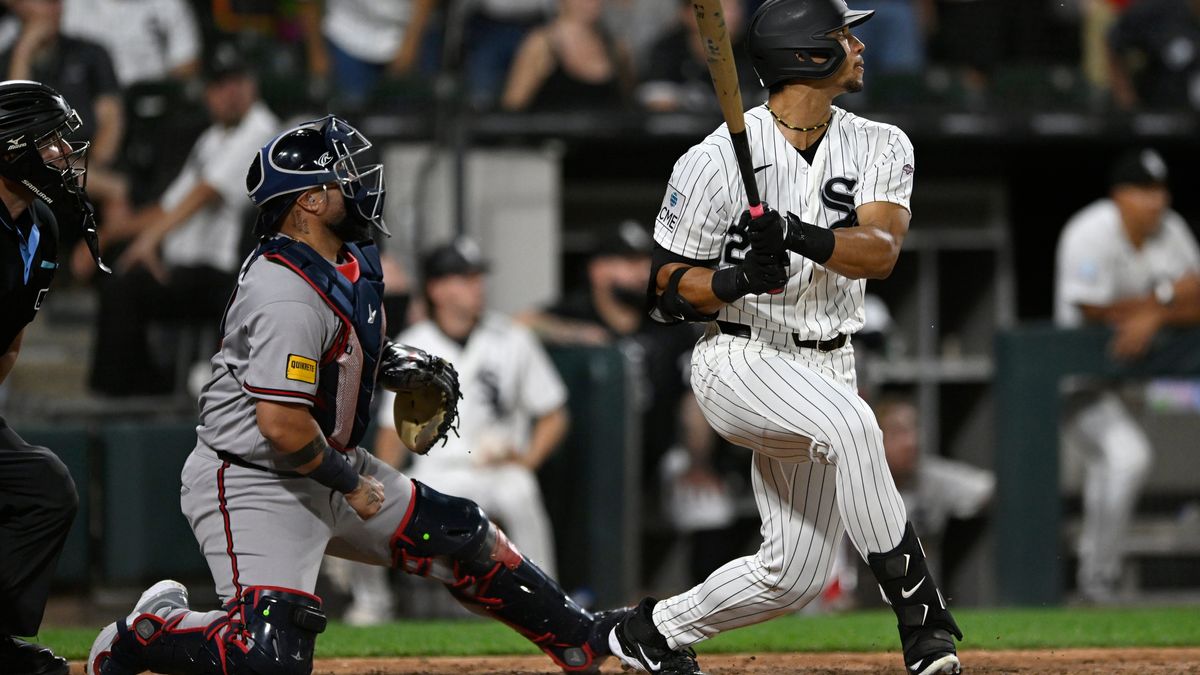

CHICAGO – The moment that closed the argument arrived at 343 feet. It was the bottom of the 10th inning last Tuesday, the White Sox trailing by one, two outs and Raisel Iglesias on the mound. Braden Montgomery – called up from Triple-A Charlotte that same morning, never having played a single inning in the major leagues – took an 0-1 changeup and drove it over the left-field wall at Rate Field. Walk-off home run. The White Sox won. The fifth player in baseball history to hit a walk-off homer in his debut jogged around the bases as his mother, Gretchen Montgomery Willock, filmed from the stands behind home plate.
What that home run did, beyond its immediate statistical significance, was complete the ledger on the most consequential trade in recent White Sox history. On December 11, 2024, Chicago sent ace left-hander Garrett Crochet to the Boston Red Sox. In exchange, the club received four players: catcher Kyle Teel, second baseman Chase Meidroth, right-handed reliever Wikelman González, and Braden Montgomery. As of this weekend, all four have appeared in the major leagues with the White Sox. Crochet, who won 18 games for Boston last year and signed a six-year contract extension, has been on the injured list since April 25 with a lat strain.
“It’s something out of dreams,” Montgomery said after his debut, still not quite believing what he had done. That description captures the White Sox season as much as the young outfielder’s debut night. A team that finished with 121 losses in 2024, the worst record in modern baseball history, now sits tied for first place in the American League Central at 38-32, tied with Cleveland. The rebuild, which baseball executives and analysts openly called one of the most ambitious in the sport’s recent history, is no longer a project. It is a race.
On Sunday, the White Sox beat the Los Angeles Dodgers – the reigning World Series champions – 6-4, winning their eighth straight home series and defeating Los Angeles in a series for the first time since 2014. Colson Montgomery, the shortstop acquired through the draft, hit his 17th home run of the season in a six-run sixth inning. Chase Meidroth, one of the four Crochet trade returns, also went deep. Braden Montgomery, three days into his major league career, singled in that same inning. Three of the four players Chicago received for Crochet were in the lineup on Sunday.
The architecture of this team defies easy explanation. General manager Chris Getz did not simply stockpile prospects and wait. He moved deliberately and sometimes counterintuitively – dealing the best pitcher in the American League in December 2024, absorbing the criticism that followed, and betting that the package coming back would age into the major leagues at precisely the right time. What cannot yet be answered is whether this team is good enough to survive a full season’s worth of variance. The rotation beyond Davis Martin, who carries a 9-2 record and a 2.41 ERA into Tuesday’s start against the Yankees, remains an open question. The bullpen has been competent without being dominant. Whether a young team can hold first place through the summer heat is the thing this season cannot yet tell us.
The Crochet trade, viewed from Boston’s side of the ledger, looked better a year ago. Crochet went 18-5 in his first season with the Red Sox, posting a 2.59 ERA and finishing as the runner-up in AL Cy Young voting. Boston locked him up through 2031. Then came 2026. A lat strain sidelined him in late April, and while the Red Sox have offered no firm return timeline, the injury has effectively removed their best pitcher from a season that was supposed to justify the cost of acquiring him. Meanwhile, Teel hit .273 with a .786 OPS as a rookie catcher before his own injury, Meidroth has settled in as an everyday second baseman, and González flashed a 2.66 ERA in 16 major league appearances before a stint back in the minors.
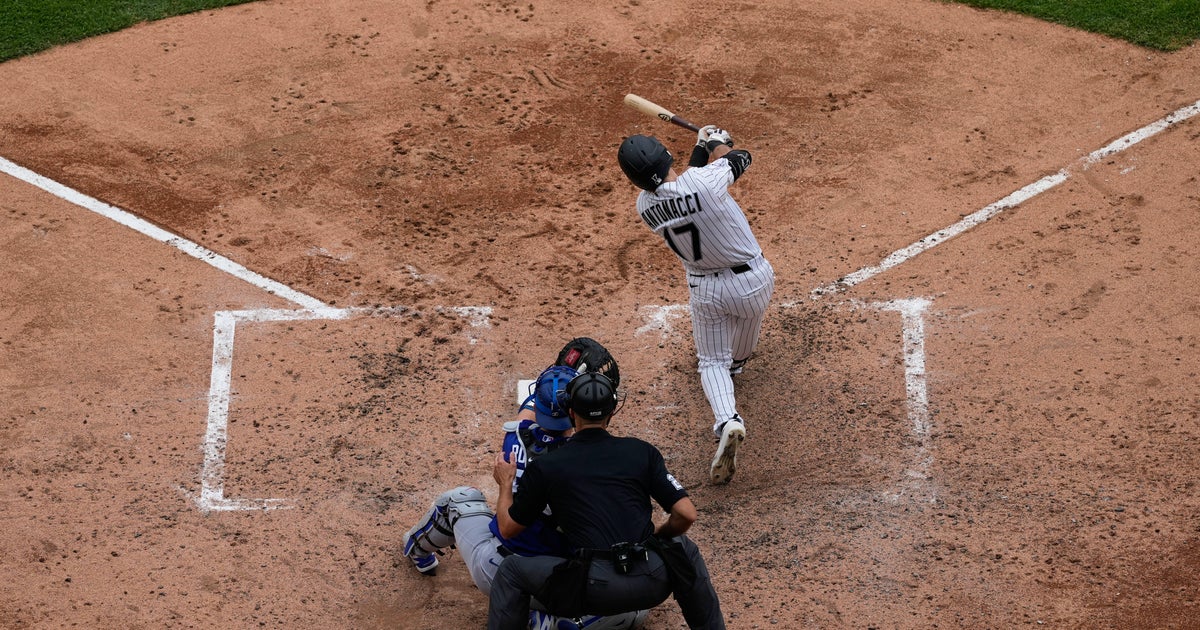
Montgomery arrived in Chicago with the kind of minor league resume that makes scouts reach for superlatives. The 23-year-old switch-hitter was the 12th overall pick in the 2024 draft, chosen by Boston out of Texas A&M after slugging 27 home runs and posting a 1.187 OPS in college. He moved from Single-A to Triple-A in 16 months, hitting .284/.381/.477 with 22 home runs and 19 stolen bases across four levels. This spring he went 18-for-35 with 10 walks in the 10 games before his promotion. His exit velocity in Triple-A – an average of 93.2 mph, with a maximum of 113.9 mph – drew comparisons from scouts to what Kyle Schwarber produces in the major leagues, according to MLB Pipeline’s analysis of his numbers.
He has also, plainly, not been to the major leagues before. He overthrew a cutoff man in right field on his debut night, allowing a runner to advance. He struck out in his first career at-bat. The jump from Triple-A to the Show is the one every prospect faces and the one that ends careers that looked inevitable on paper. What his first six days have suggested – a walk-off homer, an RBI single the same night, a follow-up hit against a Dodgers pitching staff that reached the postseason – is that the adjustment may not break him. Manager Will Venable called him a “total pro for such a young guy.” He declined to call it more than that.
Chicago’s home record – 17-3 over their last 20 games at Rate Field before Sunday’s win over Los Angeles – has carried a team that plays closer to .500 on the road. According to ESPN’s game recap, the Dodgers series represented the first time the White Sox have taken a set from Los Angeles since 2014, a span that encompasses the entirety of the rebuild that produced this team. The franchise’s best starting pitcher Tuesday will face Gerrit Cole in New York – a road test that will say something about how real this version of the White Sox actually is.
When Montgomery’s mother posted a video of the family celebration in the stands after the walk-off, it went viral. She followed the next morning with a line that was equal parts boast and disbelief. General manager Chris Getz, who made the call to deal Crochet and received the criticism that followed, has not publicly claimed vindication. The White Sox’ late-inning explosiveness this spring has become one of the stories of the American League season. What his trade produced is now in the lineup every night. Whether it is enough is what June, July, and beyond will determine.
Eighteen months ago, Getz moved an ace. The thing that cost the most – the outfielder at the center of it all – just introduced himself to the major leagues by walking it off on the first night he ever played in one. The White Sox have been doing things like this all year. Nobody can say yet whether they will keep doing it in October. But the argument about who won the Crochet trade ended somewhere around 343 feet from home plate, sometime just before midnight last Tuesday on the South Side.