
CUPERTINO – At some point between September 9 and September 16, a familiar ritual will play out inside the Steve Jobs Theater. Tim Cook will walk onstage, the lights will dim, and Apple will unveil the iPhone 18 Pro. The room will applaud. And the headline color will do a lot of the talking.
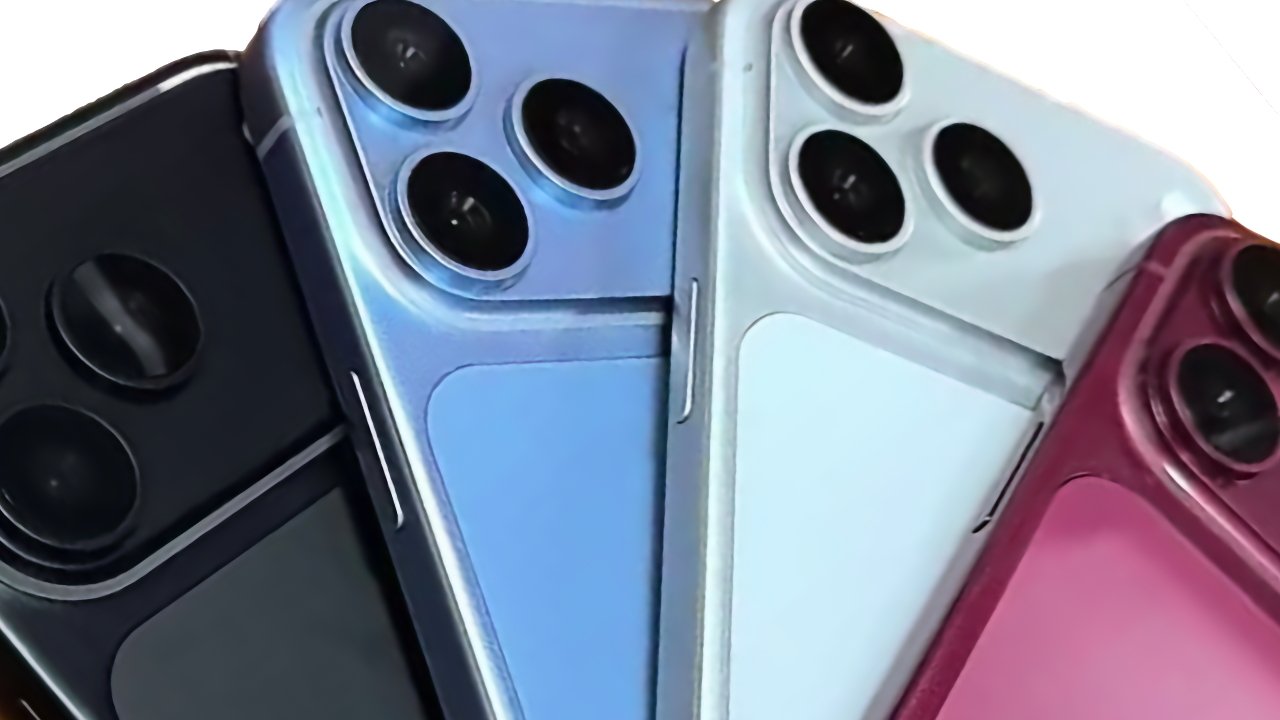
That color is Dark Cherry – a deep, wine-red finish that supply-chain leakers and accessory manufacturers have now confirmed across multiple rounds of dummy unit images. It is, by most accounts, genuinely beautiful: a restrained, burgundy-leaning shade that sits somewhere between a Pinot Noir and the old iPhone 12 Pro’s Pacific Blue in terms of emotional pull. Leaker Sonny Dickson, who published the first physical dummy unit images in late May, called it plainly: “Cherry will probably be the next hit.” He has a good track record. So does Cosmic Orange, last year’s signature shade, which proved wildly popular – and which is being retired to make room.
What Dark Cherry cannot do, and what no color has ever done, is solve a structural problem in the phone carrying it. That is the challenge Apple faces this September. The iPhone 18 Pro is shaping up as a refinement cycle – meaningful in some areas, modest in others – arriving in the same calendar year as the company’s first foldable phone. The foldable will absorb most of the engineering attention and nearly all the public fascination. The Pro, by design, is not trying to compete with it.
The September timing itself is locked in. Apple’s WWDC 2026 software schedule mirrors the 2025 rollout almost exactly: iOS 27 launched in developer beta on the day of the June keynote, the public beta is slated for July, and the hardware event should follow in the first or second week of September. Forbes reported that David Phelan, who tracks Apple’s release cadence closely, put the keynote at Wednesday, September 9 – though Labor Day falling on Monday the 7th introduces at least some uncertainty about the precise date. On-sale dates would then fall on either September 18 or September 25, consistent with Apple’s pattern of releasing flagship hardware on the Friday following an announcement.
Apple has not announced any of this. The company declined to comment.
The upgrade slate for the 18 Pro is real, if not dramatic. Apple’s A20 chip, built on TSMC’s 2-nanometer process, is expected to bring roughly 15 percent faster performance alongside efficiency gains that should translate to longer battery life. The Dynamic Island is rumored to shrink – Face ID’s flood illuminator may move under the display, which would reduce the cutout footprint at the top of the screen. The front camera gets a bump to 24 megapixels. The main rear camera on the 18 Pro Max is expected to gain a variable aperture, though it remains unclear whether that feature reaches the smaller 6.3-inch Pro model. That ambiguity is not a small thing: a buyer choosing between the two sizes may not know until launch day which one gets the camera upgrade, or whether they need to spend an extra hundred dollars to get it.
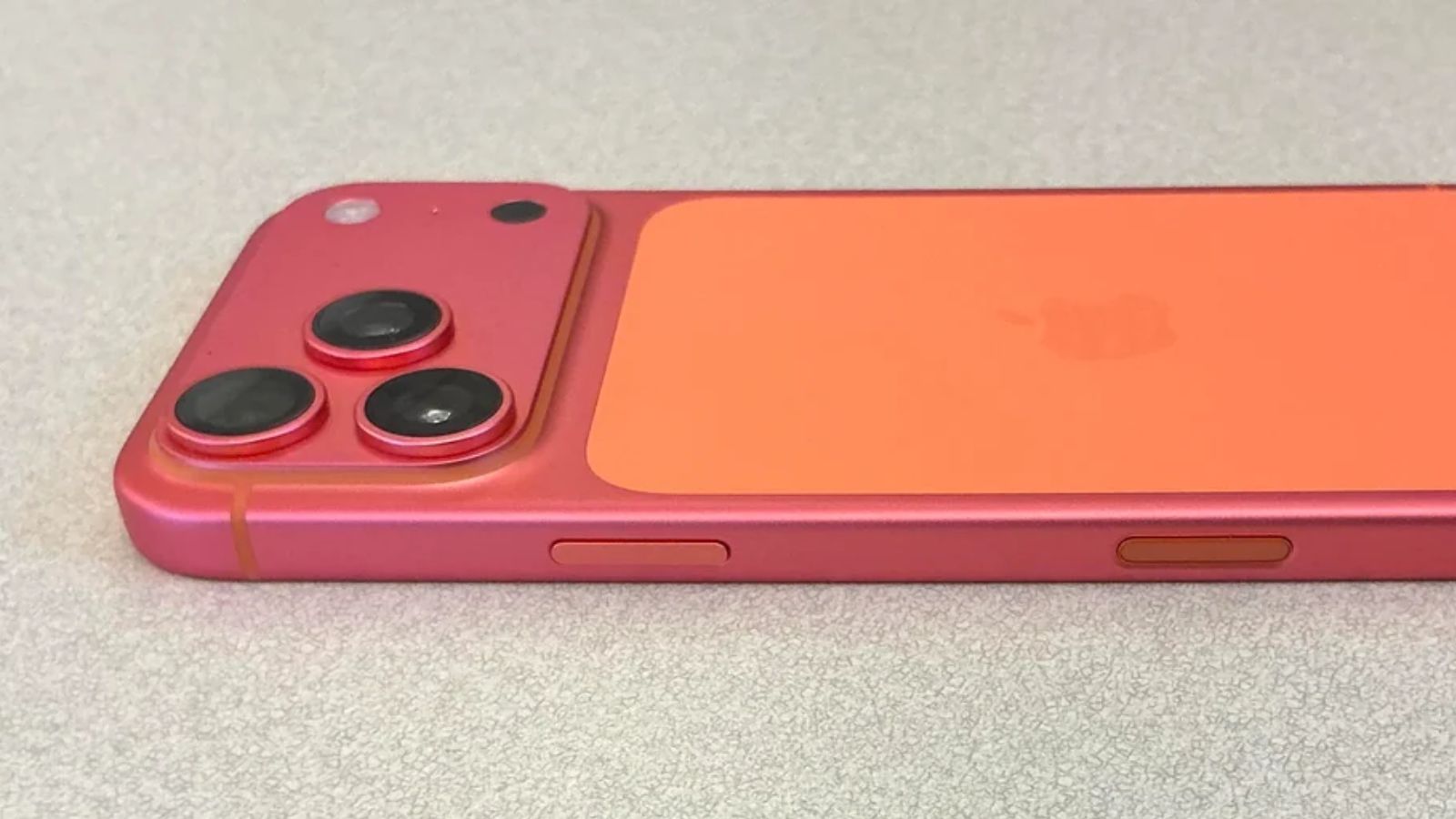
The design, though, carries a problem that predates the new color. When Apple switched the iPhone 17 Pro from titanium to anodized aluminum last year, the company gained a lighter chassis and a new aesthetic. It also picked up a durability record that left some owners frustrated. Shortly after the iPhone 17 Pro went on sale, reports emerged of the aluminum frame chipping from minor impacts – drops that titanium would have absorbed as a scuff. A separate issue followed: MacRumors documented that a growing cluster of Cosmic Orange iPhone 17 Pro owners saw their aluminum frame drift from orange toward a rose-gold or pink hue, sometimes within months of purchase. Apple, when owners sought recourse, classified the shift as a characteristic of the aluminum alloy and normal wear – not a defect eligible for coverage.
According to a post by the leaker known as “Fixed Focus Digital” on Weibo, the iPhone 18 Pro will “continue to utilize this same design approach.” The reporting was subsequently covered by MacRumors and confirmed against independent supply-chain sourcing. Apple has given no public indication it will change the material or the anodizing process. That means the fade risk that attached itself to Cosmic Orange is now attaching itself to Dark Cherry – a finish that, by the descriptions circulating in the rumor mill, sits in a color range (burgundy, coffee, deep purple) where any shift in hue toward lighter tones would be visible and difficult to ignore.
Whether the fade rate on the iPhone 17 Pro reflected a manufacturing variance or a deeper material limitation is something Apple has not clarified publicly. That question matters for the 18 Pro because buyers are being asked, in effect, to take the same bet again – this time on a color where the stakes, aesthetically, may be higher. Dark Cherry is a deliberate and considered finish. It is not a neutral. A phone that starts wine-red and ends up muted pink is a different product than the one advertised.
The broader context sharpens the tension. Bloomberg’s Mark Gurman has reported that Apple is operating on a deliberate three-year reinvention plan for the Pro line: the redesigned iPhone 17 Pro in 2025, the foldable iPhone this fall, and a 20th-anniversary structural overhaul of the Pro models in 2027. The foldable iPhone, expected to carry the iPhone Fold branding and open to roughly 7.8 inches, commands nearly all of the hardware engineering ambition in the 2026 cycle. The 18 Pro is not being asked to compete with it. It is being asked to hold the line.
That is a reasonable product strategy. Two consequential redesigns in the same year would be unusual, and Apple has shown before that it can sustain a quieter Pro cycle – the iPhone 13 Pro and iPhone 16 Pro were both incremental years that sold well. But the 13 Pro launched with no structural durability question hanging over it. The 18 Pro does. And the color palette, however beautiful, is not a substitute for a chassis that performs as expected two years into ownership.
The people most likely to buy the iPhone 18 Pro on launch day are iPhone 16 Pro owners – two years into a device that shipped on titanium and has no fade history. For them, the durability question is abstract until it isn’t. The people with the most concrete information about the aluminum chassis are the iPhone 17 Pro owners who have been living with it for nine months. A significant subset of them reported problems. Whether that subset is large enough to register as a pattern, or represents isolated manufacturing variance, is something neither Apple nor the supply chain has answered.
Dark Cherry is a beautiful color. The A20 chip is a real upgrade. The Dynamic Island will get smaller, the front camera will get sharper, and the phone will arrive in September at a price almost certain to start at $999. None of that is trivial. What the iPhone 18 Pro cannot yet say is whether the thing you are buying will look the same in a year as it does on the day you take it out of the box. That remains the unresolved question heading into Apple’s fall event – and it is the question a new color, however striking, cannot answer.