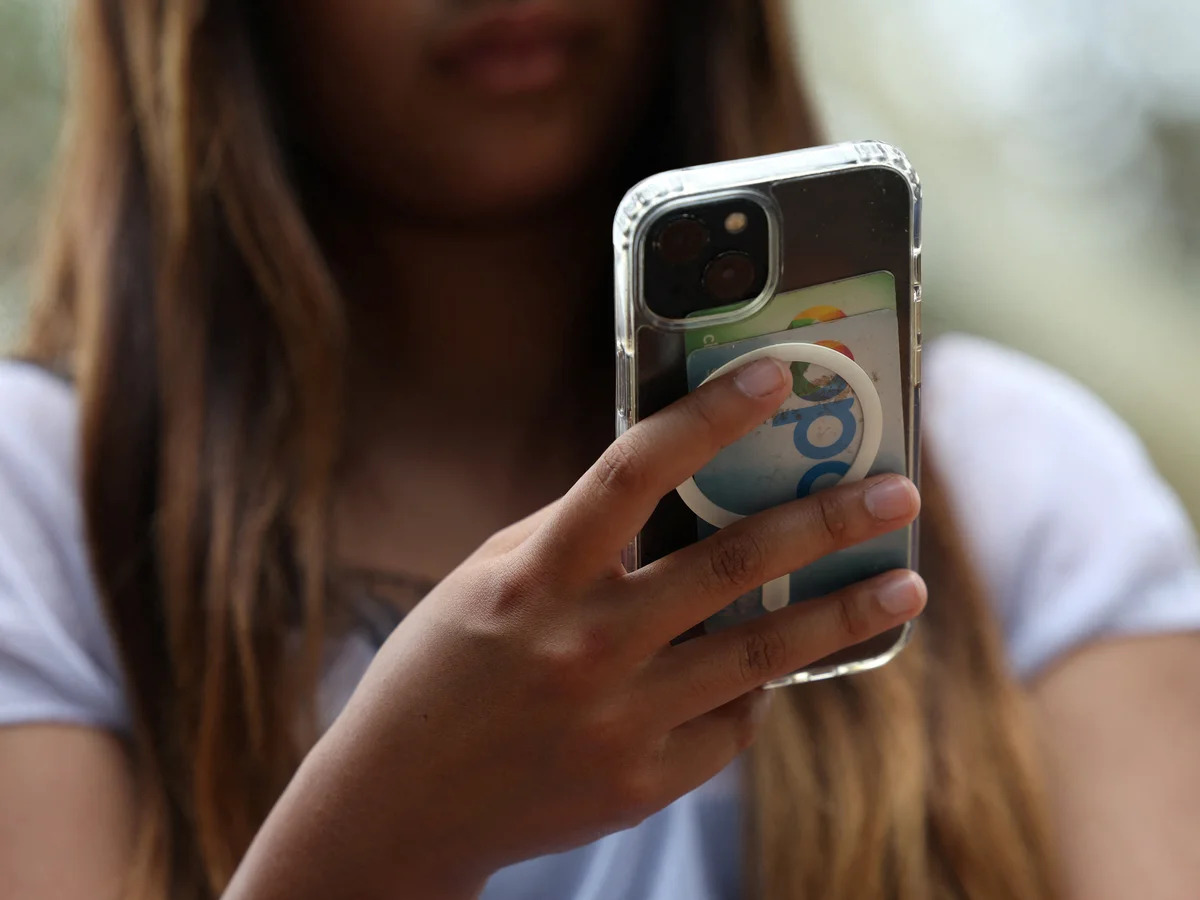

European Union officials are intensifying their scrutiny of social media platforms amid growing concerns that excessive online engagement is contributing to a worsening mental health crisis among young people. The renewed debate comes as policymakers across Europe push for stricter safeguards, age-verification measures, and new regulations aimed at protecting children from harmful digital experiences.
Speaking during discussions on youth wellbeing and online safety, European Commissioner for Intergenerational Fairness, Youth, Culture and Sport, Glenn Micallef warned that excessive screen time and social media use are among the major factors driving youth mental health challenges among young Europeans. The issue has become a growing priority for EU institutions as evidence continues to mount linking problematic digital behavior with anxiety, depression, sleep disorders, and declining wellbeing among adolescents.
The concern reflects a broader shift in European policymaking. Governments and regulators are increasingly examining how algorithm-driven platforms shape the daily lives of teenagers, particularly through endless scrolling mechanisms, recommendation systems, and exposure to harmful content. European lawmakers argue that while social media can provide opportunities for connection and self-expression, its excessive use can have significant consequences for mental health.

The debate comes as several countries move toward stricter restrictions on children’s access to social media. Australia has already implemented one of the world’s toughest measures, while countries including France, Denmark, Germany, Spain, Poland, Sweden, and the United Kingdom are considering or advancing similar age-based controls. The European Union is also developing broader initiatives aimed at reducing harmful digital experiences for minors and addressing addictive design features.
Supporters of stronger regulation argue that social media companies have not done enough to protect younger users. They point to growing evidence that excessive social media consumption is associated with poor sleep quality, increased anxiety, depressive symptoms, and reduced self-esteem among adolescents. Researchers and youth advocates have repeatedly highlighted the need for early intervention and improved digital wellbeing strategies.
At the same time, experts caution that the relationship between social media and mental health is complex. Some studies suggest that moderate and purposeful use of social platforms can help young people maintain friendships, access information, and find support networks. The challenge for policymakers is determining how to reduce harmful usage patterns without eliminating the positive aspects of digital communication.
Mental health advocates say the discussion should focus not only on time spent online but also on the design of digital platforms themselves. Critics of current social media models argue that recommendation algorithms often prioritize engagement over wellbeing, exposing young users to content that can fuel anxiety, body-image concerns, and unhealthy comparisons. Recent research has found that algorithm-driven platforms may have a more negative impact on wellbeing than messaging-focused services that primarily facilitate direct communication between friends and family.
The European Commission has already signaled its intention to strengthen protections for children under existing legislation. Earlier this year, EU officials announced additional efforts to combat cyberbullying and improve reporting mechanisms for harmful online behavior. Commissioner Micallef described protecting children online as a critical public policy priority, emphasizing that stronger safeguards could help prevent long-term harm.
Meanwhile, the broader political momentum behind social media regulation continues to grow. The European Union is preparing measures under the proposed Digital Fairness framework that could target manipulative design features and strengthen protections for younger users. Several member states are also pushing for more robust age-verification requirements and greater accountability for major digital platforms.
The growing focus on youth mental health reflects wider concerns about the wellbeing of younger generations across Europe. Surveys and policy discussions increasingly describe youth mental health as one of the continent’s most urgent social challenges. Officials argue that addressing excessive social media use should form part of a broader strategy that includes mental health support services, digital literacy education, parental guidance, and responsible platform design.
As Europe moves toward tougher online safety rules, the debate is likely to intensify. While lawmakers, researchers, parents, and technology companies may disagree on the best path forward, there is growing consensus that the mental health of young people must remain at the center of future digital policy. The outcome of these discussions could shape how the next generation experiences social media and the internet for years to come.