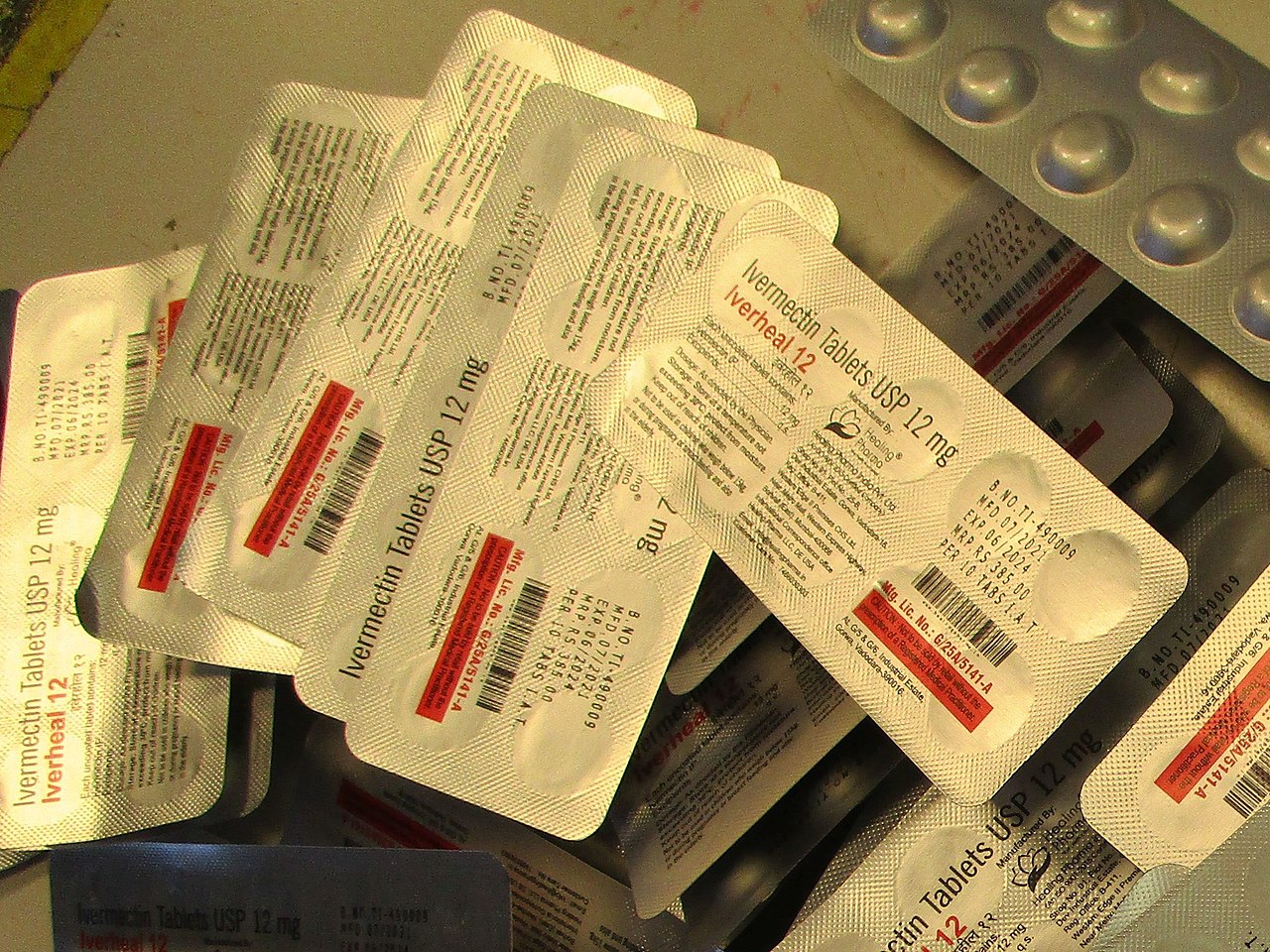

NEW YORK — The patient had Stage 4 cancer. When her oncologist presented a chemotherapy regimen, she declined. She had seen Mel Gibson, circulating in social media clips, describe how a combination of ivermectin and a veterinary deworming drug called fenbendazole had helped people he knew fight off cancer. Months later, a follow-up CT scan confirmed the cancer had spread.
Her case, described by a physician who did not name the patient, has become a recognisable pattern in oncology clinics over the past year. A patient arrives certain. She has not told her oncologist she is taking an antiparasitic approved by the Food and Drug Administration for intestinal worms. The drugs she rejected had decades of randomised trial data behind them. The drug she chose did not have a single completed phase III cancer trial.
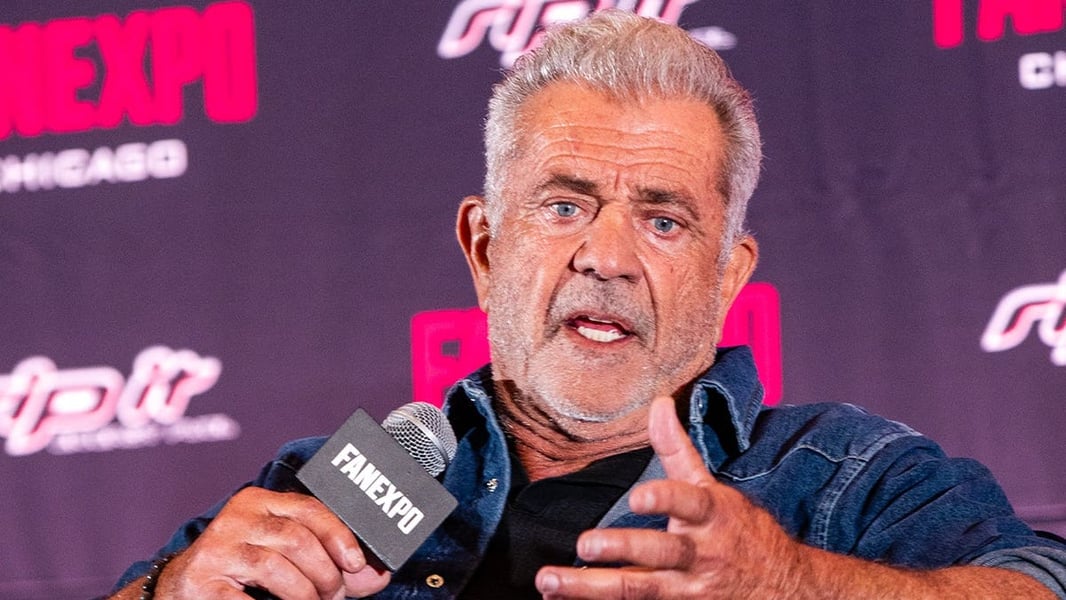
A study published in May in JAMA Network Open put numbers to what oncologists were already describing. Drawing on electronic medical records from 68 million patients, researchers from Virginia Tech and UCLA found that combined ivermectin-benzimidazole prescriptions among cancer patients rose at a rate ratio of 2.63 in the months following January 9, 2025, the day Gibson appeared on The Joe Rogan Experience in an interview viewed at least 60 million times. Gibson claimed the drug combination had cleared cancer in several of his acquaintances. The study, published as JAMA Network Open 2026;9(5):e2616780, described the episode as among the clearest quantified examples of celebrity health influence producing measurable shifts in prescription behaviour.
What that clip did, fast and with unusual visibility, was move through the networks where cancer patients and their families look for answers in the weeks after a diagnosis arrives and before the treatment plan has become routine. Peer-reviewed journals rarely travel that fast or that far. Podcasts do.
For oncologists watching the prescription data shift in real time, the shape of the trend had a precedent. Ivermectin’s surge among COVID-19 patients beginning in 2020 followed the same arc: online communities, amplified celebrity endorsement, a research base that did not support the use, and patients making consequential decisions between appointments without informing their physicians. What is different this time is that the drugs replacing ivermectin are not preventive supplements. They are cytotoxic agents and immunotherapies whose interaction with an undisclosed antiparasitic can be directly harmful.
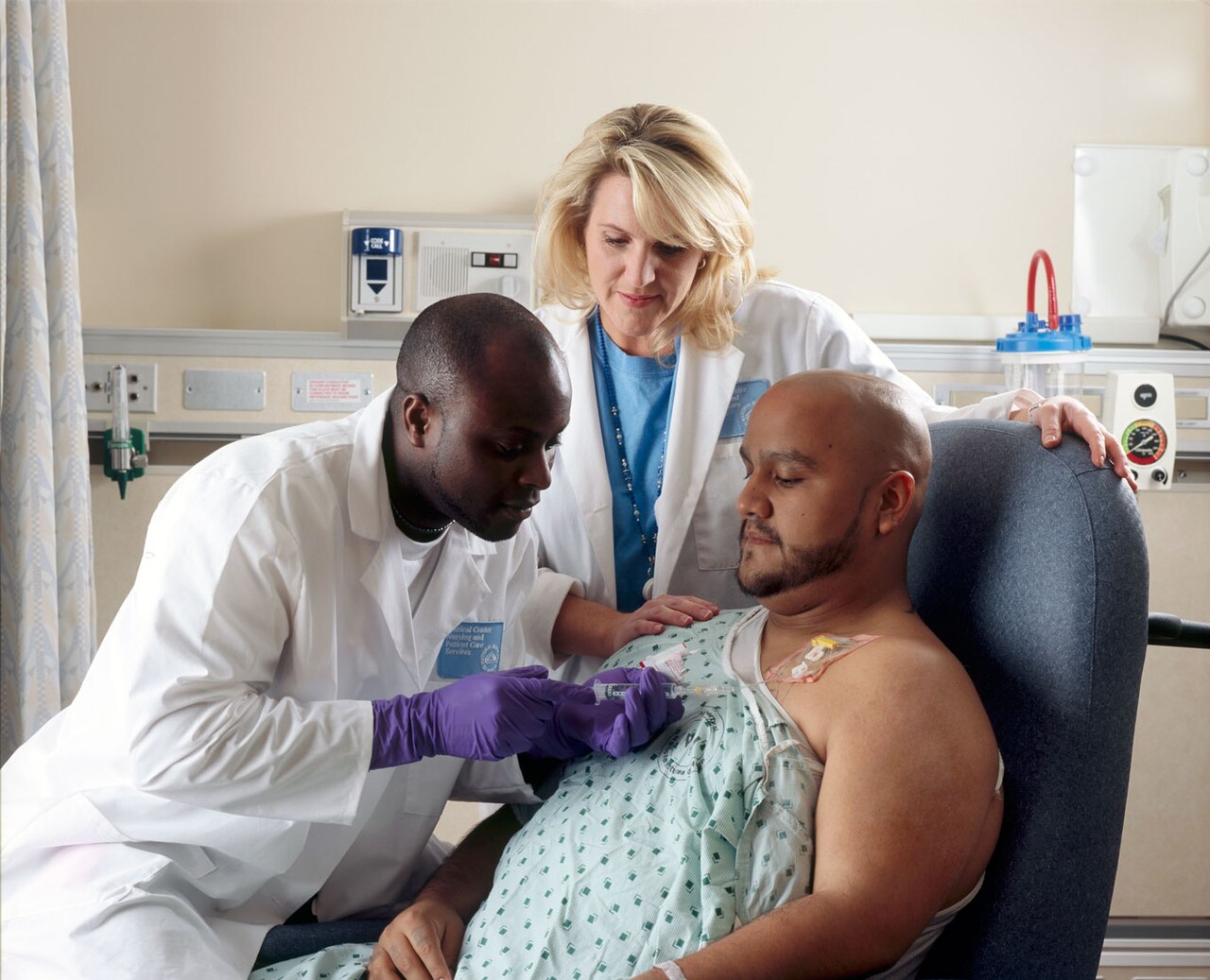
In May 2026, the American Society of Clinical Oncology published a clinical notice recommending against ivermectin and fenbendazole for cancer treatment outside the regulatory safeguards of a well-designed clinical trial. ASCO stated there is no robust, peer-reviewed clinical evidence that either drug is effective against any human malignancy, and that the potential for toxicity and harmful drug interactions presents an unacceptable risk. The notice urged oncologists to raise the subject with patients proactively rather than waiting for disclosure that might never arrive.
The drug interaction concern is not speculative. Both ivermectin and fenbendazole are metabolised through the CYP3A4 and P-glycoprotein pathways, shared by a significant proportion of approved cancer drugs. Adding an undisclosed antiparasitic can alter how a chemotherapy or immunotherapy drug is absorbed, how quickly it is cleared from the body, and whether it reaches the tumour at functional concentration. A case documented in the oncology literature involved a patient with osteosarcoma who took 12 mg of ivermectin three times over five days while on regorafenib, a targeted therapy for several solid tumour types. The patient presented with anorexia, nausea, near-syncope, and acute kidney injury, a presentation consistent with ivermectin-related neurotoxicity. The patient had not told their oncologist.
The optimism about ivermectin’s potential as an anti-cancer agent draws on a real body of preclinical research. Studies in cell lines and mouse models have shown the drug can inhibit tumour cell growth under laboratory conditions, and the National Cancer Institute launched a preclinical programme in early 2026 to investigate the mechanism further. What that research has not produced, after more than a decade of investigation, is a successful randomised controlled trial demonstrating that ivermectin is safe and effective in human cancer patients at doses sufficient to replicate the laboratory effect. The dose required is estimated to be substantially higher than the FDA-approved antiparasitic dose. That gap has not been closed.
The closest attempt at a controlled test is now under registration. The ICONIC trial (NCT07487805) is a phase II randomised study set to begin enrolling in July 2026, investigating ivermectin in combination with immune-checkpoint inhibitors in patients with solid tumours across 80 participants. It is an early-phase signal study, calibrated to determine whether a dose and combination worth testing further exists, not to establish definitive efficacy. Even optimistically, findings would not arrive before late 2027.
A parallel observational study published in the June 2026 issue of Anticancer Research (vol. 46, issue 6, pp. 3243–3255) has complicated the picture without resolving it. Researchers tracked 197 cancer patients who obtained off-label ivermectin and mebendazole through telemedicine providers between August and September 2025 and followed outcomes through early 2026. Of the 122 patients who completed follow-up, a 61.9 per cent retention rate, nearly half self-reported what they described as tumour regression. The study’s authors noted in the paper itself that the design is observational, outcomes were self-reported, and most patients were receiving concurrent standard-of-care treatment while also taking the antiparasitics. They described the results as hypothesis-generating and called for a randomised trial. That caveat did not survive intact in the social media discussions of the paper.
What oncologists cannot confirm is whether the patients who self-reported regression in that cohort were benefiting from the antiparasitic, from the conventional treatment they were still receiving alongside it, from natural variation in tumour behaviour, or from the documented tendency of self-reported outcomes in observational cancer studies to skew toward positive response. Answering that question requires controlled data that does not yet exist.
The checkpoint inhibitor field, which has extended survival for patients with melanoma, lung cancer, and a growing number of malignancies, is simultaneously deepening its understanding of how cancer-fighting immunity is built at the cellular level. Mayo Clinic researchers published work this week showing that the anti-tumour programming of CD8+ T cells begins inside the thymus, earlier in development than previously understood, a mechanistic finding with potential implications for how the next generation of checkpoint therapies is designed. That research is grounded in molecular biology and moving through the structured clinical evidence chain that the ivermectin-cancer literature has not yet entered.
For patients who encounter the observational data and feel the medical establishment has not engaged seriously with the question, the distinction between self-reported regression in an open cohort and a randomised trial can seem like an institutional obstacle rather than an epistemological one. That perception, ASCO’s May 2026 notice suggests, is precisely what makes the situation medically urgent: not because patients are wrong to ask, but because acting on an antiparasitic without informing an oncologist can degrade the treatment that does have evidence behind it, at the moment when the window for effective intervention is at its narrowest.
The ICONIC trial will begin enrolling next month. Its 80 participants, if the trial runs on schedule, will provide the first controlled data on whether any dose of ivermectin is safe alongside checkpoint inhibitors in solid tumour patients. What it will not provide is an answer for the cancer patients who are making the substitution now, while the trial runs, on the basis of a podcast clip and an observational cohort whose authors themselves said was not ready to inform clinical decisions.
Related Posts