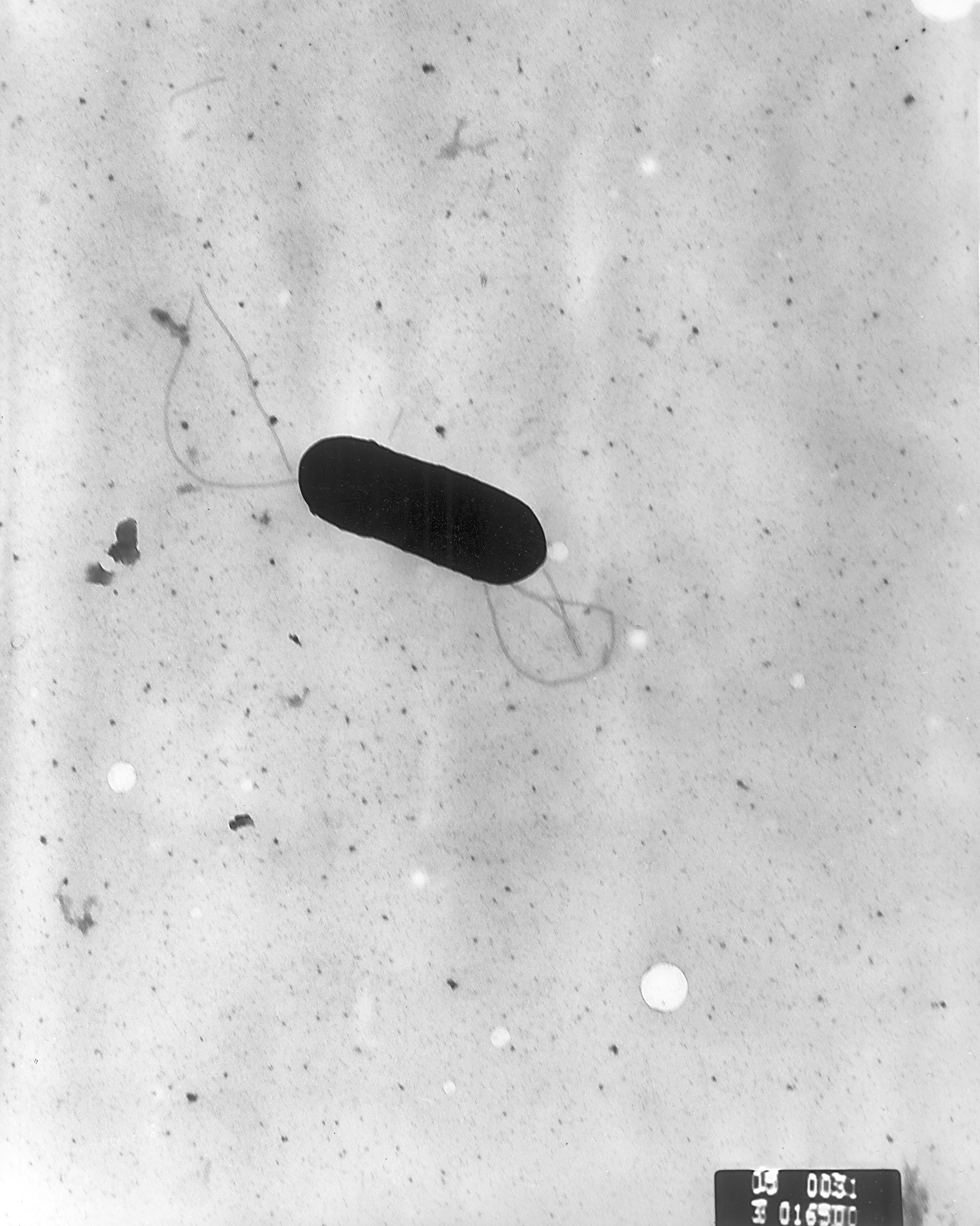

MECHANICSVILLE, Md. – The label on the container said De Mi Pueblo. At farmers markets in Maryland and Virginia, the same cheese was sold as Kesso, as Quesos La Ricura, as Izalco. Whatever name the package carried, the sell-by date printed on some containers was June 24, yesterday. Federal health agencies confirmed this week that the soft, fresh cheese inside those containers has been linked to a Listeria monocytogenes outbreak that has killed one person and sent eight others to hospital across three states.
On June 18, the Centers for Disease Control and Prevention and the Food and Drug Administration confirmed that six samples of requeson, a fresh Hispanic-style whey cheese, collected from Clover Hill Dairy’s facility in Mechanicsville tested positive for Listeria monocytogenes, along with a seventh sample from the plant’s own environment. Maryland’s Department of Agriculture suspended the dairy’s operating licence the same day. By the end of the week, Clover Hill had recalled every cheese it makes. The CDC confirmed the outbreak in a public health notice issued the same week.
Nine people are known to have fallen ill in the current investigation. Eight were hospitalised. One died. The oldest illness in the cluster dates to March 6, 2023, more than three years before federal investigators could confirm it was connected to this facility.
The length of that gap is not a failure of negligence in any simple sense. Listeria can incubate for anywhere from three days to ten weeks, and isolated cases scattered across different jurisdictions and different years look, at first, like unrelated misfortune. They become a pattern only when a technology called whole genome sequencing compares the bacterial fingerprints of each sample and finds they match.
That sequencing work, conducted by the CDC, is what finally connected the cases. But it also revealed a secondary problem: the dairy sold its products under at least five different brand names, Kesso, Quesos La Ricura, Izalco, De Mi Pueblo, and Rio Lindo. A shopper who bought a container of Izalco at a Latin-market grocery in Northern Virginia may have no idea that the product they purchased falls under the same recall as cheese marketed under an entirely different label at a different store.
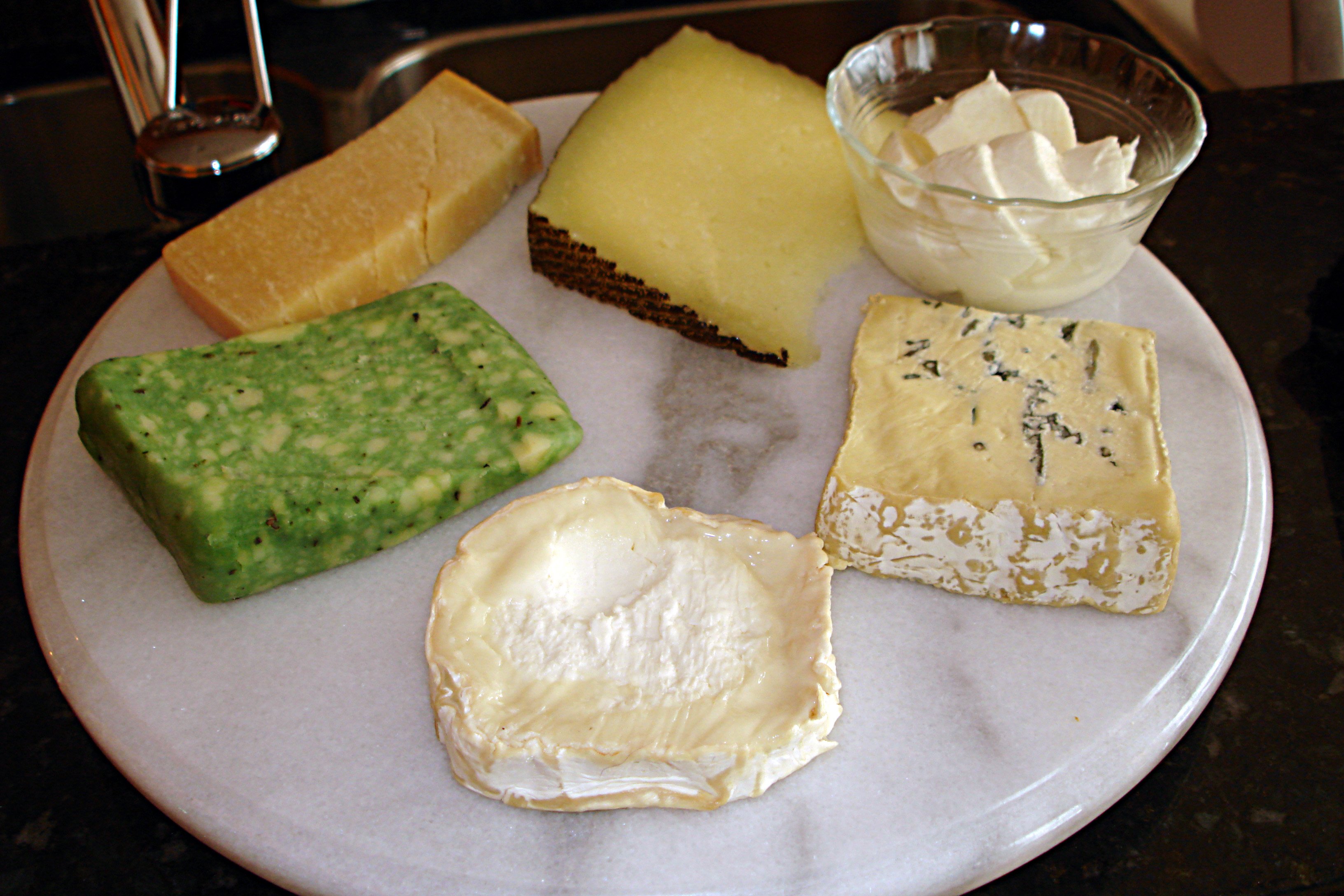
The recall now covers all cheese manufactured by Clover Hill Dairy, not only the requeson that first tested positive. That means cheddar, colby, monterey jack, pepper jack, and smoked cheese varieties are all subject to the alert. Distribution has been confirmed in Maryland, Virginia, North Carolina, New York, New Jersey, and the District of Columbia. Consumers can identify Clover Hill products by the Maryland plant permit number 24-128 printed on the packaging.
Listeria is dangerous to a much wider population than most foodborne pathogens. The four groups at highest risk are adults over 65, pregnant women, newborns, and people whose immune systems are weakened by illness or medication. For pregnant women, the bacterium can cross the placenta, leading to miscarriage, premature delivery, or stillbirth even when the mother’s own symptoms appear mild. In immunocompromised patients, Listeria can cause meningitis, and fatality rates in clinical studies have exceeded 20 percent in some high-risk cohorts.
The three-year window between the first confirmed illness and the recall announcement reflects a structural reality of foodborne outbreak investigation: whole genome sequencing is available and widely used, but sporadic cases do not automatically trigger pattern recognition without the volume needed to flag an anomaly. Federal agencies managing this investigation have simultaneously been tracking other active foodborne illness inquiries, among them an infant botulism investigation linked to a powdered formula recalled from Target stores in June.
The FDA issued its first public advisory on Clover Hill Dairy products on June 5, initially focused on requeson. The full recall expansion, covering all cheese from the facility, came on June 18. Because some requeson containers carried sell-by dates of June 24, it is possible that recalled product is still sitting in household refrigerators. The CDC and FDA have asked anyone who purchased cheese under any of the five brand names to discard it immediately, even if it has not yet expired. The complete product list is documented in the FDA’s expanded recall notice.
As of June 25, the CDC had not declared the outbreak closed. The last confirmed illness in the cluster dates to May 2026. Environmental swabs confirmed contamination inside the Mechanicsville facility itself, not incidental to a single bad batch, but present in the plant’s operating environment, a finding that typically signals deeper cleaning protocols and full facility inspection before any resumption of production.
The families who bought Izalco or Rio Lindo at a local mercado, the shopper who picked up a block of Clover Hill cheddar at a Virginia grocery without connecting it to a federal dairy investigation, they may not yet know they are part of this story. How many cases in that three-year window were never linked, never tested, never reported, is a question the investigation has not answered. Whether the full scope of three years is visible in a count of nine is, as of June 25, not yet known.