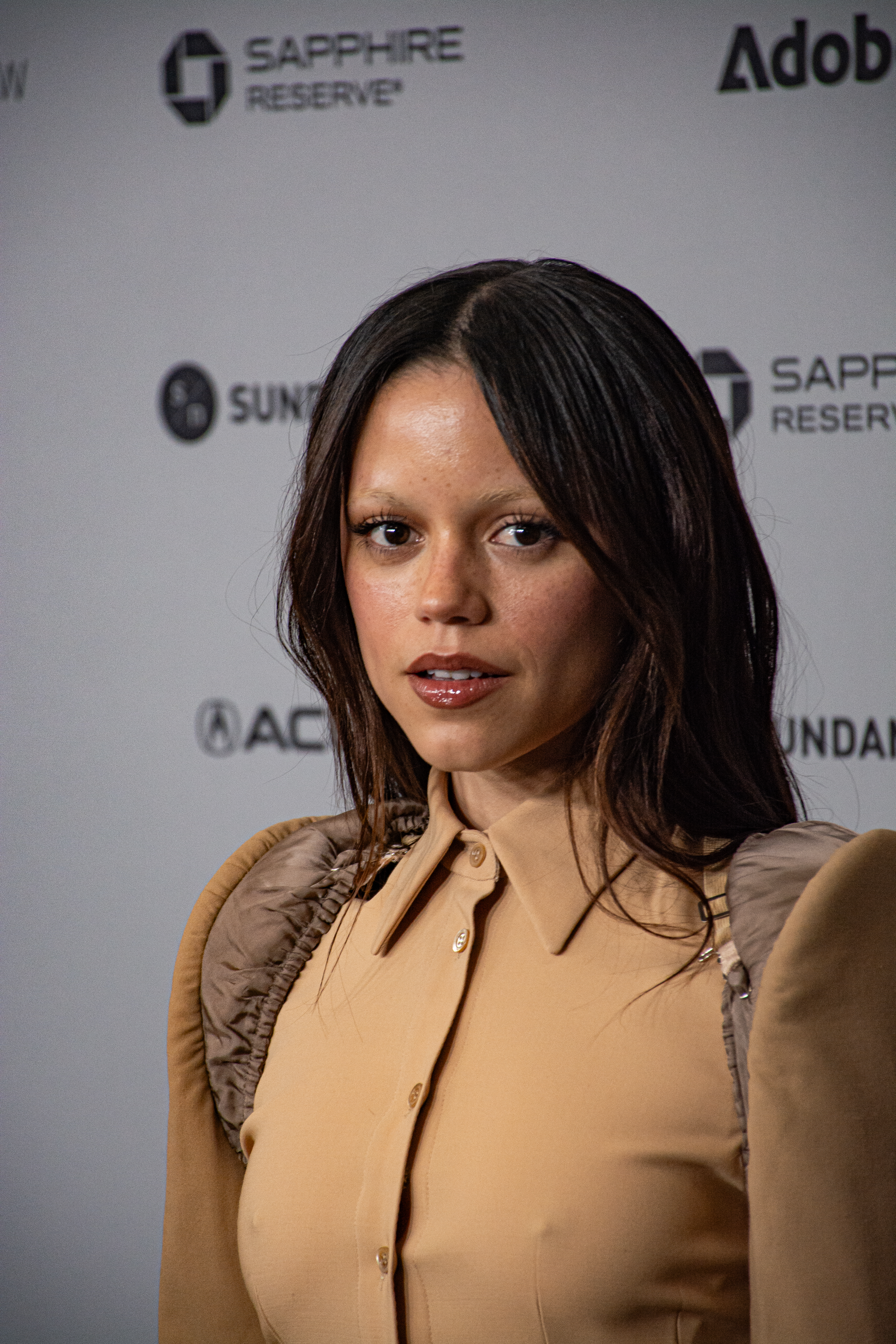

LOS ANGELES — Every Oscar winner for the next decade will be chosen, in part, by people whose names appeared on a list the Academy of Motion Picture Arts and Sciences released Thursday. There are 529 of them.
The Academy’s Class of 2026 is AMPAS’s annual expansion of its voting membership, and the numbers it carries are notable. If all 529 accept their invitations (acceptance is never guaranteed, and the Academy does not release uptake figures), total membership reaches 11,319, with 10,338 eligible to vote on nominations and winners. The class includes 95 people who have already been nominated for Oscars, among them 21 who have won.
The names generating the most industry attention reflect a specific cultural moment in Hollywood’s performer ecosystem. Jacob Elordi, who constructed distinct and technically demanding performances in both Saltburn and Priscilla within the same 12-month window, received an invitation. So did Jenna Ortega, whose Wednesday demonstrated that teen-genre television could generate critical attention and viewership at a scale the format had largely been assumed to have outgrown. Josh O’Connor, Deadline reported, is among the class, the British actor’s BAFTA win for Challengers having positioned him as one of the more closely watched names heading into the 2027 awards conversation. Mia Goth, who built a psychologically fractured character across the Pearl and MaXXXine films, was also invited.
The demographic composition of the class reflects a decade of deliberate restructuring. The Academy reports that 42 percent of the invitees are women, 56 percent come from underrepresented communities, and 53 percent were invited from 60 countries outside the United States. Those figures are the sustained output of a commitment AMPAS made in 2016, when a widely circulated analysis found the membership to be 94 percent white and 77 percent male. The organization pledged to double the number of women and diverse members by 2020 and largely met that commitment; the 2026 class is its continuation.
What the composition does not settle is whether it changes what gets nominated and ultimately wins. Academy voting operates through a branch system: members nominate only within their own branch, with the full voting membership participating in the final Best Picture selection. Expanding the acting branch with globally recognized performers from markets that were previously underrepresented changes who decides which performances clear the first threshold. Whether it changes the kinds of films that take the statuette home is a longer empirical question that no single class year can answer.
The 99th Academy Awards are scheduled for next March. The films competing for those awards are, in several cases, already in post-production or preparing their festival entries. What the Class of 2026 means in practice is that some of those campaigns will need to reach voters who were not in the membership a year ago, voters whose tastes and frames of reference were shaped by different industries, different markets, and in many cases different definitions of what commercial filmmaking is supposed to accomplish. That is not a cosmetic adjustment.

Teyana Taylor, who received the inaugural Icon of the Year Award at the BET Awards earlier this week, was among the invitees. Taylor’s career has expanded from music into directing, and her inclusion in the class reflects AMPAS’s interest in filmmakers whose entry points fall outside the traditional narrative feature path. Jon Bernthal, whose appearance in The Bear’s final season drew industry attention, received an invitation, as did Julia Garner, whose sustained range across Ozark, Inventing Anna, and Babylon represents one of the more consistent demonstrations of technical versatility in the last six years.
The international dimension of the class runs wide. Bill Skarsgård of Sweden, Jemaine Clement from New Zealand, Stephen Fry from the United Kingdom, Josh Gad and Anthony Ramos from the United States, and Simu Liu from Canada each received invitations. Their genres span independent drama, genre film, animation, franchise cinema, and comedy. Taken together, they represent the range the Academy says it is building toward: a body of voters whose tastes are not confined to a single mode of filmmaking or a single market’s definition of what awards-worthy means.
An entrant from outside the traditional talent pipeline drew notice in industry circles. Josh D’Amaro, the incoming Chief Executive Officer of Disney, received an invitation. D’Amaro built his reputation running Disneyland and then Disney Parks globally before assuming leadership of the studio with the most consistent Oscar-relevant annual release slate of any major entertainment company. His inclusion suggests the Academy is formalizing a relationship with studio leadership in a way it has not consistently done before.
Benny Safdie was also invited. He co-directed Good Time and Uncut Gems with his brother Josh before pursuing a solo acting career, and the Safdie body of work has been more consistently cited by critics than rewarded in Academy competition. Good Time produced near-universal critical consensus about Robert Pattinson’s performance and earned no nominations. Benny’s inclusion as a voter means at least one of the pair will be on the other side of that accounting.
The full list, according to Variety, extends considerably beyond the names drawing immediate attention: composers, cinematographers, editors, and documentary filmmakers whose work has shaped the visual and sonic texture of the last decade of prestige filmmaking. The acting invitees travel furthest in trade coverage because acting is the branch most immediately legible to general audiences. The other branches are where Oscar races are often actually decided.
Whether the class shifts what gets nominated will be measured, imperfectly, when the 99th Oscar nominations are announced next January. The films competing have not yet been widely screened. The studios courting these new voters have not yet started their campaigns. What the 529 people invited Thursday represent is a structural adjustment in who is qualified to render a verdict on the year’s best work. The industry will spend the next nine months discovering whether the adjustment produced the outcomes AMPAS intended, or whether the membership rolls changed while the results stayed the same.