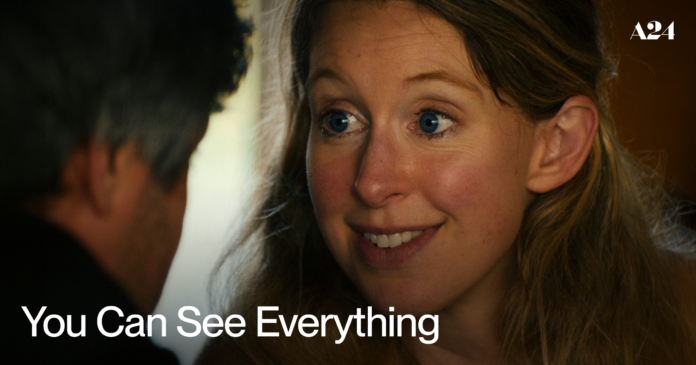

LOS ANGELES – Milly Alcock arrives at the opening of her first major franchise lead carrying near-universal critical praise. The film she is built around is a different proposition.
Supergirl opened in theaters nationwide Friday to a 57 percent score on Rotten Tomatoes based on 148 reviews, trailing last year’s Superman by 26 points and sitting below every other live-action entry so far in James Gunn’s rebooted DC Universe. The box office picture is harder still. Independent analysts tracking the opening weekend are modeling a domestic debut of $39 million to $51 million, figures that would put the film in second place behind Toy Story 5’s anticipated $80 million to $90 million sophomore weekend. Against a combined production and marketing budget estimated at $250 million by industry observers, a number at either end of that range would represent a significant loss for Warner Bros. Pictures.
The critical fracture is consistent enough to be instructive. Virtually every review separates Alcock from the screenplay in the same direction. Variety’s Owen Gleiberman called Ana Nogueira’s script the worst he could recall for a DC outing, while describing the Australian actress as alive and likable in a role written as one-note. The RogerEbert.com review characterized the film as a shallow blockbuster that never takes flight, crediting Alcock’s performance for the moments that almost do. Digital Spy’s Ian Sandwell, among the more generous notices, wrote that she turns the familiar themes of grief and belonging into something affecting and endearing. USA Today called her superb at giving the character depth while maintaining unpredictability.
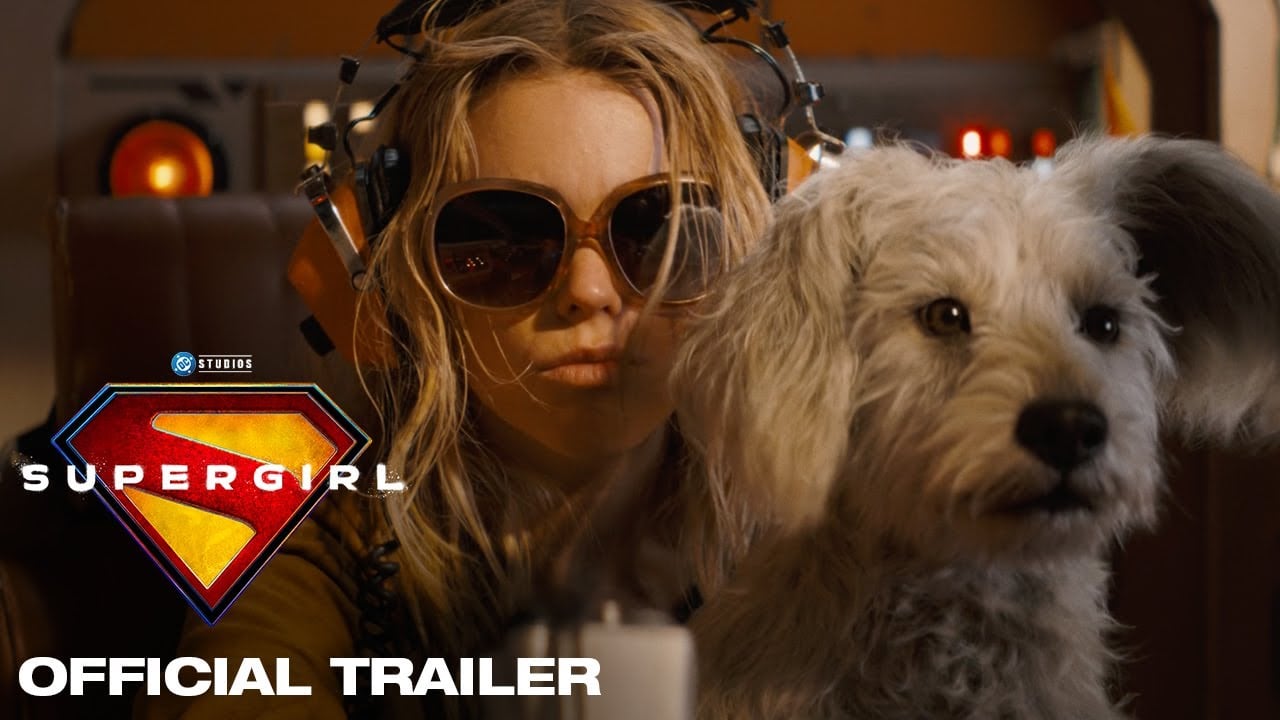
The character as written gives Alcock limited latitude. Kara Zor-El arrives in the film as a hard-drinking survivor of Krypton, her temper shorter than her patience, her moral code intuitive rather than articulated. When a space pirate named Krem of the Yellow Hills, played with physical menace by Matthias Schoenaerts, poisons Krypto, her dog, Kara has three days to track him down and extract an antidote. She travels across planets alongside Ruthye Marye Knoll, a teenage girl played by Eve Ridley who narrates the story from an adult retrospective, and alongside Lobo, the interstellar bounty hunter whose inclusion transformed the film’s commercial calculus before a single review was published.
That calculus centers on Jason Momoa. His Lobo does not exist in Tom King and Bilquis Evely’s 2021 source miniseries, which supplied the film’s road structure, its visual register, and its central revenge premise. An executive producer offered the rationale in pre-release press: the story needed a destabilizing force, a character who could change the game unexpectedly. What emerged is the subplot critics have been most willing to enjoy. Momoa’s energy operates at a frequency distinct from the film’s tonal register, and early notices consistently noted his enthusiasm reading as genuine rather than contractual. Whether it constitutes enough is a separate question. What his casting clarifies is Warner Bros.’ anxiety about the film’s commercial profile long before any reviews arrived.

Director Craig Gillespie, who brought biographical precision to I, Tonya and winking corporate menace to Cruella, appears less certain with Supergirl’s combination of cosmic scope and intimate grief. The screenplay’s episodic structure, with Kara and Ruthye moving from planet to planet as the mission accumulates violence, does not give Gillespie the character compression that made his prior films function. The action sequences have drawn criticism for being numbing rather than kinetic, and Gleiberman’s Variety notice characterized the overall effect as a punk rock attitude of corporate pretension.
Supergirl’s opening-day audience will encounter something critics reviewing early screenings did not: the full context of David Corenswet’s appearance. Corenswet, who played Clark Kent in last year’s Superman, appears as Kara’s cousin, a cameo framed as a deliberate contrast to Kara’s worldview rather than franchise housekeeping. At the world premiere at The Plaza at 300 Ashland in Brooklyn on June 22, Corenswet intervened when a photographer made physical contact with Alcock on the red carpet, an incident that dominated entertainment coverage of the evening. DC Studios’ expanding animated slate, announced at Annecy this week with three new series including the studio’s first anime, means Supergirl and Superman are the human faces of a franchise being built simultaneously across multiple formats.
The tracking collapse that preceded the theatrical opening carries a secondary explanation. In a March profile in Vanity Fair, Alcock addressed receiving online criticism for existing as a woman in a superhero role. When that observation drew negative reaction from some quarters, she responded by characterizing critics who objected as tending to have profiles reading like “Dad of four, Christian,” a phrase she found amusing. The remarks circulated widely, and analysts subsequently adjusted opening weekend projections downward by more than $15 million. Industry observers drew comparisons to the Snow White controversy of 2025, in which comments from that film’s lead actress were cited as a contributing factor to its commercial underperformance.
How much of the tracking movement reflects the critical consensus versus the press tour commentary is not measurable in isolation. Alcock has not addressed the reviews publicly since the Brooklyn premiere. Gunn and Warner Bros. had not commented publicly on the opening weekend projections as of Friday morning.
The baseline against which Supergirl will be measured is the Superman opening last year: $125 million domestic, $220 million globally, $20 million above analyst expectations, 83 percent on Rotten Tomatoes. That film established the DCU’s reboot on the best possible commercial footing. Supergirl opens on a weekend where The Bear’s final season landed on Hulu the same day with a 100 percent Rotten Tomatoes score, a coincidence that sharpens the contrast between what is working in prestige television and what is struggling in franchise cinema.
What Alcock does next in the DCU has not been announced. Whether the character’s story continues in a standalone sequel, migrates into the broader ensemble framework Gunn has been building across films and animation, or waits for audience data to shape the next decision remains unconfirmed. Her performance on opening day will be the last variable she controls. The rest belongs to Friday night.