
LONDON – A Category B gaming machine in a British high street betting shop generates roughly the same kind of problem gambling risk as its equivalent on an online platform. The tax treatment is not the same at all. The Social Market Foundation wants to change that, and the Betting and Gaming Council spent Tuesday making clear what it thinks will happen if the government listens.
The SMF report, published July 1 and written by chief economist Gideon Salutin and senior researcher Richard Hyde, proposes doubling Machine Games Duty on Category B electronic gaming machines from 20 percent to 40 percent. The target rate mirrors the Remote Gaming Duty that online gambling platforms have paid since April 2026, when the Labour government raised it from 21 percent to 40 percent. The SMF calculates the hike would generate between £275 million and £458 million in additional annual tax revenue, with each five-percentage-point increment above the current rate adding roughly £51 million to £114 million.
The Betting and Gaming Council called the proposal a “damaging policy,” with chief executive Grainne Hurst leading the industry’s response. The council’s specific concern is displacement: that higher costs on regulated venues will accelerate migration toward an illegal gambling market that already captures between 10 and 12 percent of total UK gambling activity – up from 0.5 percent five years ago. According to BGC figures, 1.5 million people in Britain gamble on unlicensed sites, staking roughly £10 billion annually outside the consumer protection framework.
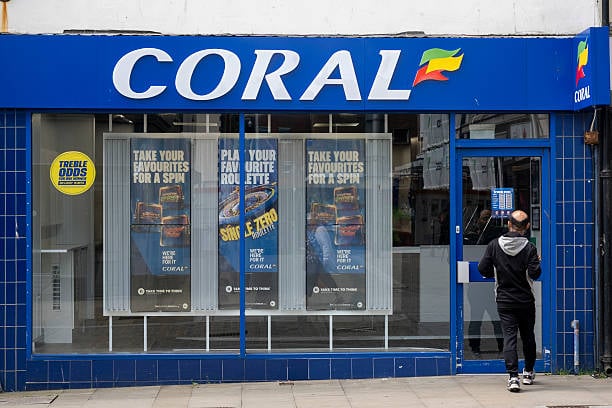
The machines at issue are the electronic gaming machines permitted in off-premises venues – bookmakers, adult gaming centres, and bingo halls on British high streets. These are the machines the MGD was designed to tax, at a rate set well below the equivalent online duty. The SMF’s argument is that the 20 percent rate was never calibrated to the harm profile of the machines it covers, and that the April 2026 RGD increase to 40 percent has made the gap between the two rates impossible to justify on public policy grounds.
The BGC numbers describe a regulated sector that is already absorbing significant pressure. The 40 percent Remote Gaming Duty has cost Rank Group, one of Britain’s largest casino operators, £46 million in annualized costs. Online slots now carry stake caps between £1 and £5 per spin depending on player age, with turbo play and autoplay features banned outright. Affordability checks are rolling out across all licensed platforms with full compliance required by Q3 2026. The BGC’s position, in effect, is that the regulated industry’s capacity to absorb further increases is not unlimited, and that venues operating on thin retail margins will close before they absorb a doubling of the high street duty.
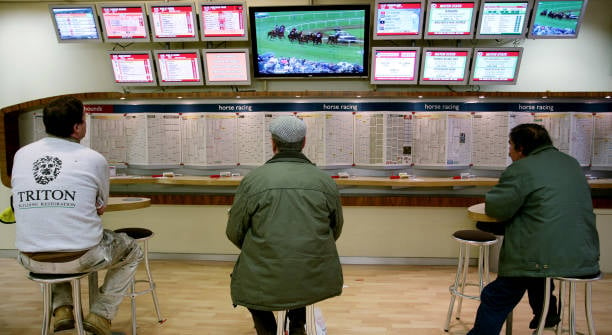
The SMF’s counter is grounded in harm data the high street machines generate. Gambling Commission research cited in the report shows that 26.5 percent of casino machine users have Problem Gambling Severity Index scores categorized as problematic – nearly six times the 4.5 percent rate across all gambling activities. Among fruit and slot machine players specifically, 16.9 percent score in the problematic range. The total economic cost of machine-related gambling harm, the SMF calculated, amounts to £2.33 billion annually, including £669 million in direct fiscal costs. Against those figures, Salutin and Hyde argue the current 20 percent duty is structurally misaligned with the harm profile it is supposed to price in.
Public polling runs against the BGC’s position. An April 2026 survey commissioned by the SMF found that 43 percent of respondents supported raising taxes on slot machines in high street betting shops, against 11 percent who favored lowering them. The BGC disputes that framing, arguing its own data shows a majority of Britons oppose further tax increases on the regulated sector when the consequences for jobs and high streets are described.
The regulated gambling sector supports around 109,000 jobs in the UK, contributes £6.8 billion to GDP, and generates roughly £4 billion in annual tax revenue, per BGC figures. The council’s central claim is that doubling Machine Games Duty would erode that tax base rather than supplement it, while handing market share to unlicensed competitors who pay nothing and offer no responsible gambling protections. Earlier this year, the government acknowledged that risk by forming an Illegal Gambling Taskforce that includes Google, Mastercard, TikTok and Visa, alongside £26 million in additional funding for the Gambling Commission over three years. Baroness Fiona Twycross, the Minister for Gambling, announced both measures – a signal that the government is pursuing tighter taxation of the regulated sector and tougher enforcement against unlicensed alternatives simultaneously, without yet resolving whether those two goals are compatible.
The proposal lands as the Gambling Commission’s enforcement posture has already intensified. The Commission last week fined Petfre, the operator behind Betfred, £900,000 for harm-monitoring failures that left at-risk customers unmonitored for seven days after initial flagging. Earlier this year it brought criminal charges in the UK election betting scandal, which ended in a guilty plea from a former Conservative official. The Commission’s first quarterly compliance report on the April 2026 reforms is due this month – a document that will either support or complicate the case for another round of pressure on the industry.
What the Machine Games Duty debate has not yet produced is any response from the Treasury. The SMF has published; the BGC has pushed back; the government has not indicated whether the proposal is under active consideration ahead of an autumn budget. That silence is, for now, the only answer either side has received. The 109,000 people working in regulated gambling venues are waiting to see which argument the Treasury finds more persuasive when it decides.