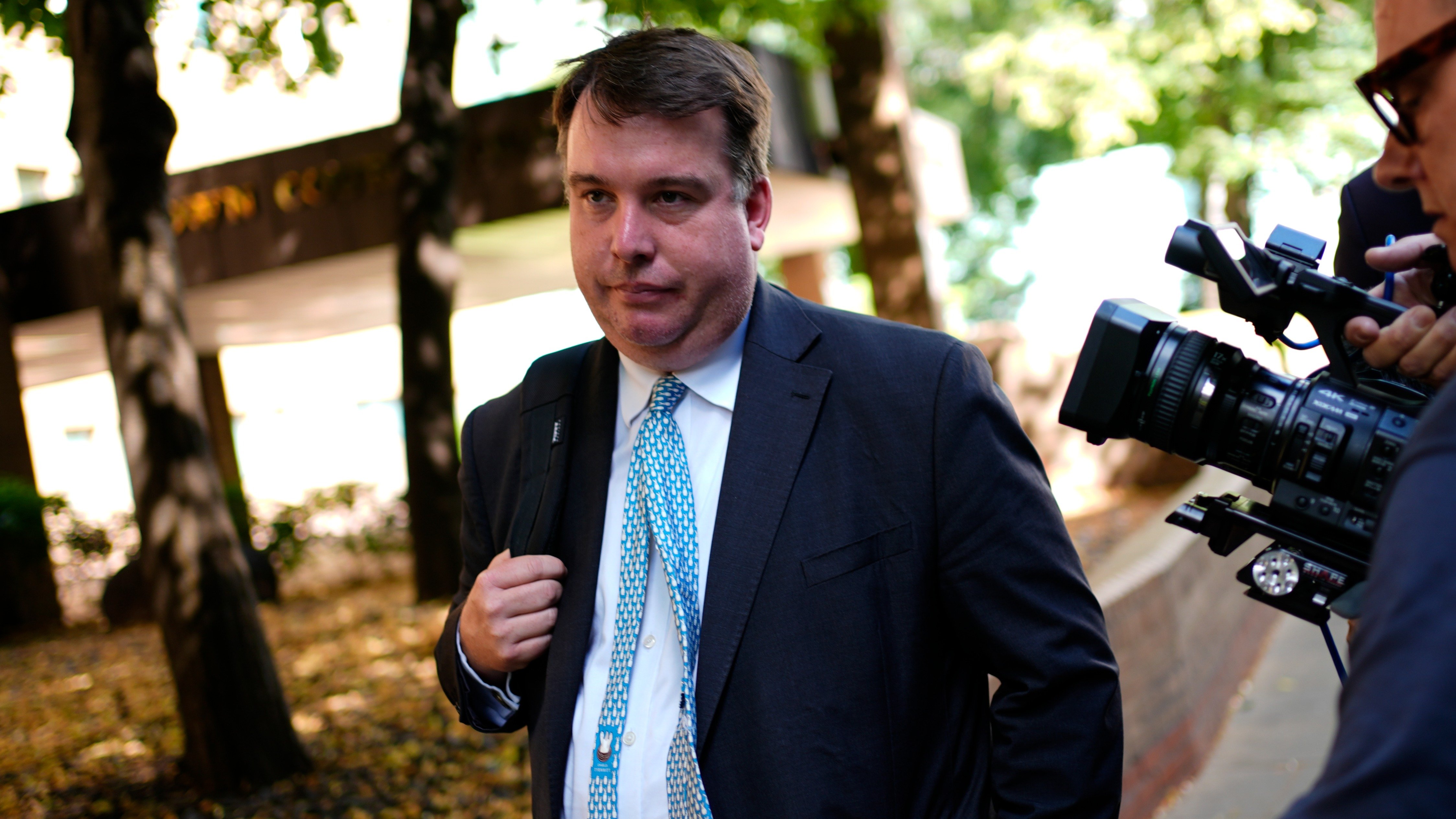

LONDON — The rooms Craig Williams entered in the weeks before Britain’s 2024 general election were not ordinary. He was parliamentary private secretary to the Prime Minister — Rishi Sunak’s political shadow — sitting in on Downing Street planning sessions as the government deliberated over the single most consequential question of that political year: when to call the election.
He left those meetings and placed bets.
On June 29, a judge at Southwark Crown Court accepted Williams’ guilty plea to a charge of cheating under section 42(1)(a) of the Gambling Act 2005. He had used insider knowledge accumulated during his most privileged access as a senior political aide to wager on the timing of the poll. Amy Hind, 35, who had worked for both the NHS and the Conservative Party and whose husband served as the party’s deputy digital director, entered the same plea on the same morning. Together, they became the first defendants in Britain’s sprawling election betting scandal to be convicted of a criminal offence.
Williams, 41, who represented Montgomeryshire and Cardiff North in Parliament from 2019 until the Conservatives were swept from power in the July 2024 landslide, placed three separate bets totalling just over £370 on the date of that election. Prosecutor Zoe Johnson KC told the court he had done so “by using confidential and sensitive information about the date of the 2024 General Election in order to profit.” Hind’s conduct was more persistent: she attempted to place wagers several times before succeeding with a £100 stake at 11-1 odds on a July election date, having wagered roughly £1,597 across failed attempts. According to the UK Gambling Commission, both defendants acted on confidential information they were not authorised to exploit.
Three additional cheating charges against Williams — which he denied — will be dropped at sentencing, Johnson said.
The guilty pleas close two years of legal proceedings that began when the scandal first surfaced in the days before the 2024 election, triggering a cascade of party official resignations and the suspension of multiple candidates. What the investigation revealed was a pattern: the Conservative Party’s innermost campaign circles had treated Sunak’s election-date deliberations less as a political responsibility and more as a market signal. The Gambling Commission and the Crown Prosecution Service described the conduct as deliberate exploitation of public office for private gain.
Williams’ sentencing date has not been set. It will not happen until thirteen co-defendants — including Russell George, a fellow Conservative politician from Wales, and Thomas James — have faced their own trials. Those proceedings are currently scheduled for September 2027 and January 2028. Hind is due to be sentenced at Southwark Crown Court on October 23.
The staggered timeline means that the full shape of the conspiracy — how widely the election date was traded as a betting tip inside Conservative networks — will not be resolved in a courtroom for at least another eighteen months. Williams’ admission covers his own conduct. It does not explain how confidential Downing Street discussions about the election timetable filtered outward to party staffers, spouses, and local officials across the country, nor whether anyone at a higher level was aware that the information was being used this way.
Andrew Rhodes, the Gambling Commission’s chief executive, has previously described the investigation as one of the most operationally complex the regulator has undertaken, involving the examination of betting accounts, communications, and political diary records across multiple individuals simultaneously. The Commission worked in parallel with the Crown Prosecution Service rather than referring the matter after the fact — an unusual coordination that reflects how seriously both bodies treated the abuse of political access involved.
The case carries implications beyond its immediate defendants. The Gambling Act 2005 offence of cheating — under which Williams and Hind were convicted — carries a maximum sentence of two years’ imprisonment, though financial penalties and conditional discharges are also available. How the court approaches Hind’s sentencing in October will offer the first signal of how seriously the judiciary treats the use of political privilege in a gambling context. Williams’ own sentence, whenever it comes, will be shaped in part by how the trials of the thirteen co-defendants unfold.
Britain’s Gambling Commission has in recent years moved aggressively to assert that the regulated market’s integrity extends to those who hold positions of public trust, not only to licensed operators and their customers. Alberta’s new iGaming market in Canada, which opened regulated access to private operators this month, represents one model of that tightening: a jurisdiction moving from a state monopoly to a licensed competitive market, partly in the belief that clear rules and enforced standards reduce the grey-zone conduct that unregulated environments invite. Britain’s election betting scandal is a different category of problem — one rooted not in inadequate rules but in the deliberate disregard of them by people who knew exactly what they were doing.
Williams was, by his own admission, one of those people. He attended the meetings. He heard the discussions. He placed the bets. What the courts have not yet determined — and may not for two years — is how many others were in the same rooms doing the same calculation.