
WASHINGTON — Colorado passed a law requiring companies to test their artificial intelligence systems for bias before deploying them on the state’s residents. On Wednesday, the federal government suggested Colorado’s own anti-bias law might be the problem.
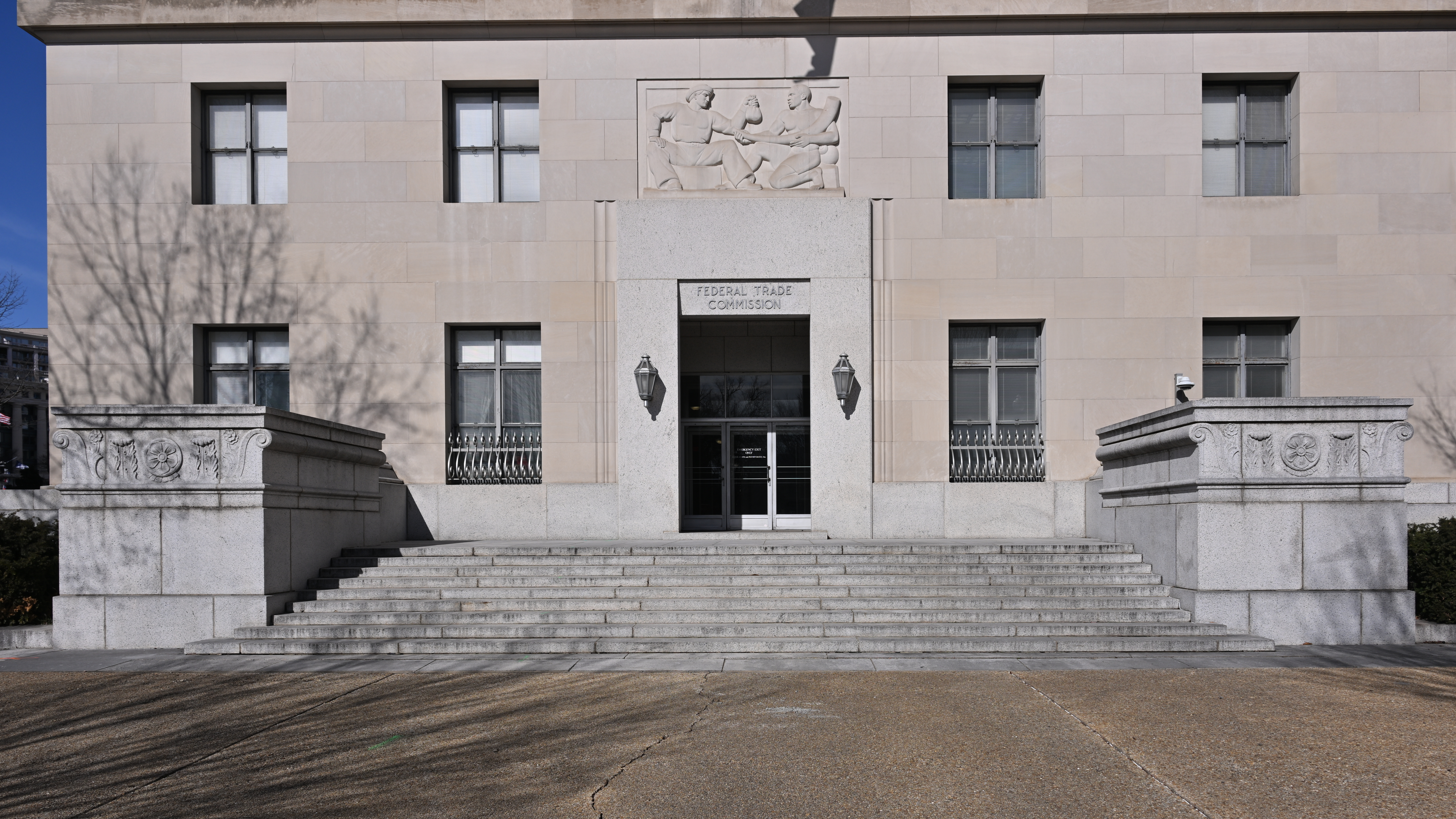
The Federal Trade Commission voted 2-0 to publish a proposed policy statement arguing that when AI companies steer their systems’ outputs toward undisclosed ideological objectives rather than what a consumer actually asked for, that steering itself can amount to an unfair or deceptive practice under Section 5 of the FTC Act. Buried inside that theory is a second, more direct claim: state laws that pressure companies into altering what an AI model would otherwise output, the commission argues, can be “impliedly preempted to the extent” they conflict with that federal standard. Colorado’s Artificial Intelligence Act is the example the FTC chose to name.
The mechanism is almost bureaucratic in its plainness, which is part of what makes it consequential. The FTC is not suing Colorado. It has not blocked the law. It has published a proposed policy statement, open for public comment through July 31 under docket FTC-2026-0859, that lays out a legal argument for why a federal agency’s interpretation of a 1914 statute might override a law the Colorado legislature passed to protect its own residents from algorithmic discrimination.
The FTC’s press release quotes the commission’s chairman saying the agency wants to hear from businesses and consumers about experiences with the “subversion of AI systems for ideological ends,” and that the input would help shape policy “advancing America’s AI dominance globally.” What the statement does not do is identify a single company that has actually been penalized, warned, or investigated under Colorado’s law since it took effect. The harm the FTC is preempting is, for now, hypothetical.
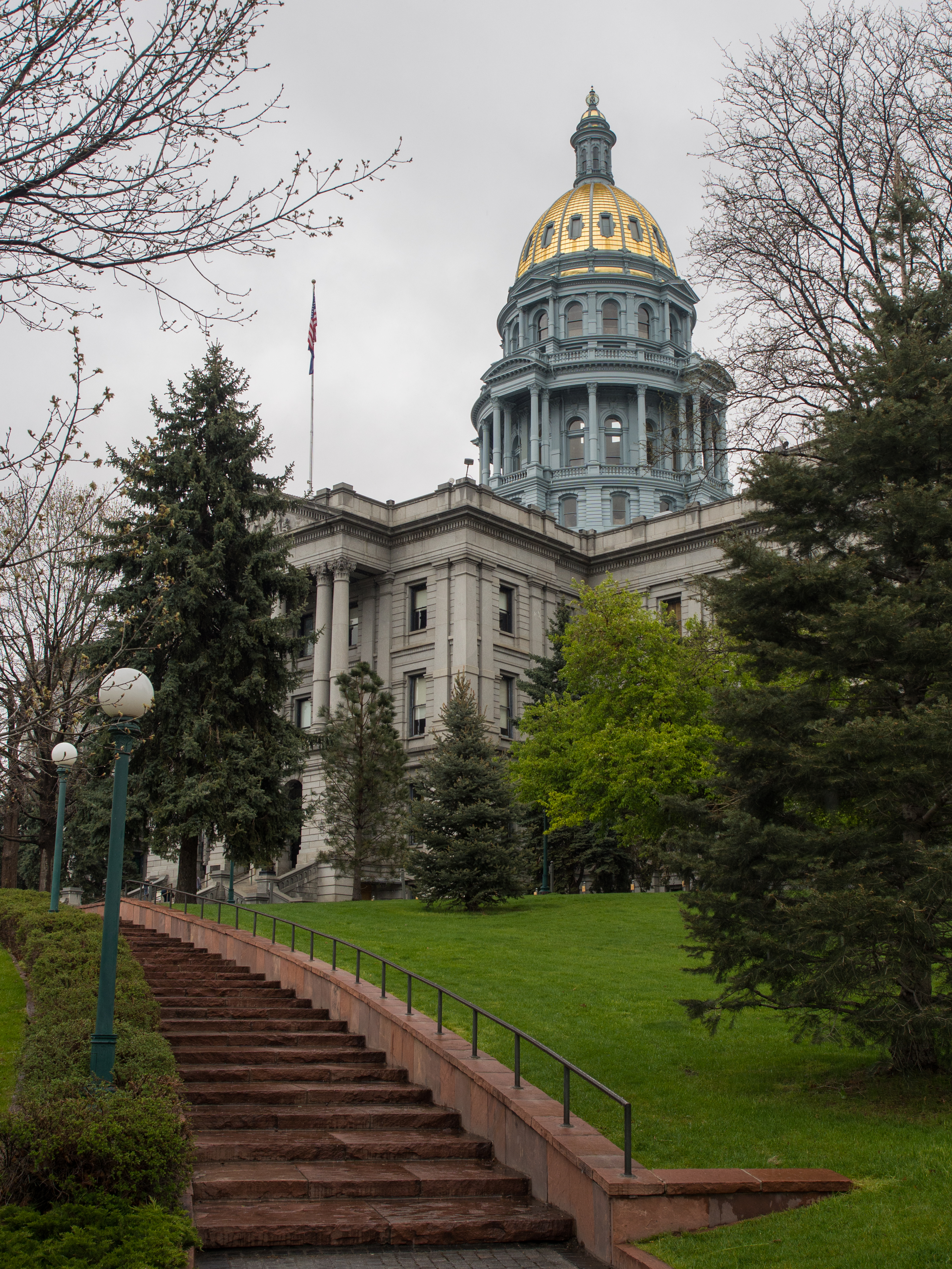
Colorado’s AI Act requires developers and deployers of “high-risk” AI systems, the kind used in hiring, lending, housing and similar consequential decisions, to conduct impact assessments and take reasonable care to protect consumers from algorithmic discrimination. The FTC’s proposed statement does not argue that goal is illegitimate. It argues that complying with it could push a company toward suppressing accurate model outputs to avoid disparate-impact liability, and that doing so would itself violate federal consumer protection law. The state law meant to stop one kind of harm becomes, in this reading, the cause of another.
The proposal traces back to a December executive order in which President Trump directed the FTC to examine the legal status of state laws requiring alteration of the “truthful outputs of AI models.” That order was itself part of a broader push from the administration to override a patchwork of state AI regulation that Silicon Valley has lobbied against for two years, arguing that fifty different compliance regimes would slow deployment and hand an advantage to Chinese AI developers unburdened by any of them. It follows the same administration’s pattern of asserting direct federal control over AI policy, seen months earlier when Commerce imposed the first targeted export control on a specific commercial AI model. Colorado, whose law was one of the first comprehensive state AI statutes in the country, became the test case less by chance than by being first.
Implied preemption, the specific legal doctrine the FTC is invoking, is not a settled or automatic result of a federal agency saying it applies. Courts decide whether a state law actually conflicts with a federal scheme closely enough to be displaced, and a policy statement, even one adopted 2-0 by sitting commissioners, is not binding law in the way a statute or a court ruling would be. It is closer to a declaration of the position the FTC intends to argue the next time this question reaches a courtroom, and legal scholars who track the agency’s authority have already noted that Section 5’s unfair-or-deceptive-practices language was not written with this kind of federal-state conflict in mind.
None of that has stopped the argument from carrying real weight in state capitols. A dozen or more states have AI legislation pending that mirrors elements of Colorado’s approach, and lawmakers in at least a few of them have already cited the FTC’s proposed statement as a reason to pause. Whether the same reasoning could reach broader state privacy, algorithmic-hiring, or content-moderation statutes is exactly the kind of question the FTC’s proposal raises without answering, since the policy statement is framed narrowly around AI “accuracy” and ideological steering rather than the full range of state AI law.
What the FTC has not said is what happens after July 31. Whether the policy statement becomes final in something close to its current form, whether it survives the comment period unchanged, or whether Colorado’s attorney general intends to challenge it once it does, are all questions the commission’s public statements have left open. A state passed a law to make AI systems more accountable to the people affected by them. The federal government has now put that law’s survival in question, using an argument no court has yet been asked to test.