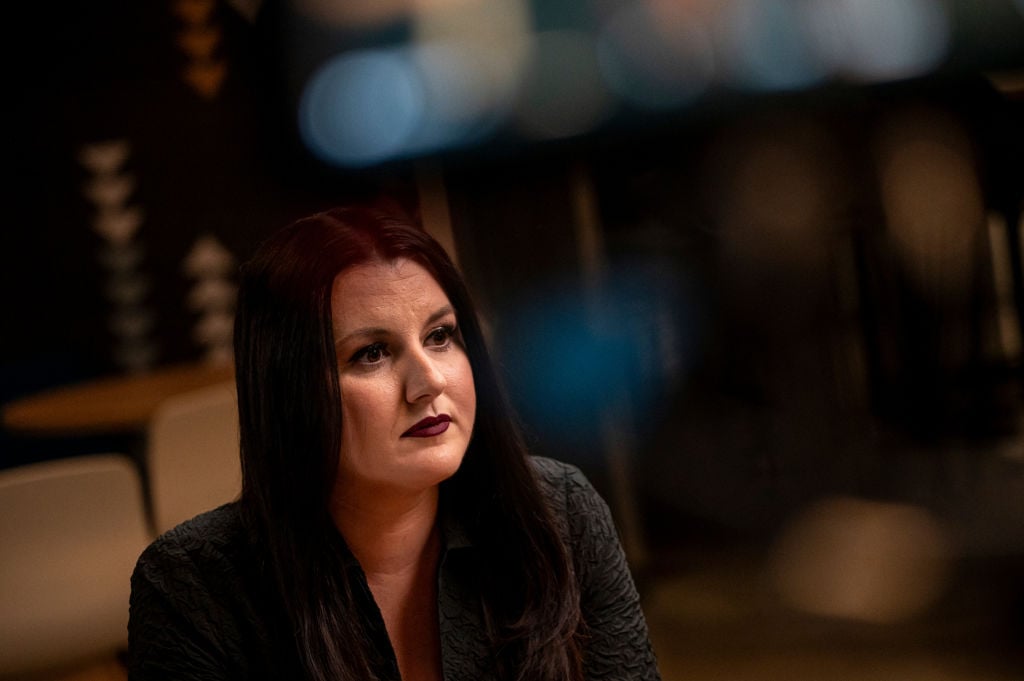

SAN FRANCISCO – Fourteen months after joining OpenAI to build the business around the world’s most recognisable AI brand, Fidji Simo is stepping back from her full-time role, citing a relapse of the neuroimmune condition that had already required medical leave during her tenure. The departure, disclosed in a staff memo Thursday, leaves Sam Altman as the sole authoritative voice in OpenAI’s executive structure at a moment when the company is pursuing a potential public offering and competing aggressively with Anthropic for enterprise contracts.
Simo joined OpenAI in May 2025 as its CEO of Applications, a newly created position reporting directly to Altman that consolidated oversight of ChatGPT’s consumer business, enterprise sales, and product operations. The role was designed to give Altman cover to focus on research and external relationships while a senior executive managed the commercial machinery below. Simo brought that profile: she had run Instacart through its 2023 IPO, spent more than a decade at Meta including a period running the Facebook app, and joined OpenAI’s board in 2024 before moving to the full-time applications role a year later.
“My ongoing medical leave for a neuroimmune condition relapse has proven longer and harder than expected,” Simo wrote in the internal memo, which was subsequently reported by TechCrunch. Altman responded in a public statement: “I am really sad about this and very grateful for all Fidji has done for OpenAI.” She will transition to a part-time advisory position – a structure common in Silicon Valley departures that maintains nominal continuity while removing the executive from operational decisions.
The timing is awkward for an organisation that has been using its commercial momentum to build a public market story. OpenAI’s revenue trajectory has been one of the central arguments for a valuation that makes it among the most valuable private companies globally. The three senior executives who reported directly to Simo – COO Brad Lightcap, CFO Sarah Friar, and CPO Kevin Weil – now operate without a clear layer above them short of Altman himself. The company has not named a successor to the applications role.
Denise Dresser, OpenAI’s Chief Revenue Officer and a former CEO of Slack, has surfaced in conversations inside and outside the company as a potential candidate for expanded responsibilities. Dresser’s tenure at Slack through its acquisition by Salesforce gives her enterprise sales credibility in precisely the markets OpenAI is targeting. Whether she receives a formal promotion, or whether the CEO of Applications role is restructured entirely, has not been addressed publicly. What that silence means is that OpenAI is entering its next chapter with an executive chart that remains unpublished.
Simo’s departure arrives against the backdrop of reported tension in the OpenAI-Microsoft partnership. Reports this week described “breakup chatter” between the two organisations over the terms of a relationship that has involved Microsoft’s substantial investment in OpenAI and preferred access to its models. OpenAI’s new GPT-5.6 family, announced alongside the executive news, was described as the “preferred model” for Microsoft Copilot 365 – language that sounds cooperative but which accompanies a period in which negotiations over revenue sharing and API access terms are understood to be active and unresolved.
The competition with Anthropic has intensified across 2026, particularly in the enterprise segment where both companies are competing for contracts in finance, healthcare, and government. Simo’s role – translating OpenAI’s research narrative into durable commercial relationships – was central to the company’s argument that it had the operational credibility to lead in regulated industries. Her presence provided a counterweight to Altman’s more externally focused profile; the two worked together through the period in which ChatGPT’s enterprise subscription base expanded most rapidly.
Whether the departure is cleanly a health matter or also reflects strategic tension within OpenAI’s leadership structure is something the company is not in a position to answer through a statement that attributes it to medical circumstance alone. Simo’s own memo does not address questions about the role’s fit within an organisation that has been reorganising its commercial structure repeatedly since its 2022 breakthrough. The history of how OpenAI’s leadership has shifted – from Altman’s 2023 board crisis through multiple structural reorganisations – makes it difficult to read any departure at this level as entirely uncomplicated.
The broader supply environment for AI development – from restricted chip flows to constraints on semiconductor supply chains under pressure from geopolitical restrictions – has been easing slightly as OpenAI scales its infrastructure. The company has committed to significant capital expenditure for compute; it needs a stable executive layer to deliver the commercial returns that justify that investment to existing and prospective shareholders.
There is one thing the departure does settle: Simo’s record as the executive who oversaw ChatGPT’s commercial expansion during its highest-growth period stands on its own. The question OpenAI faces now is whether it can replace the combination of IPO experience, enterprise credibility, and product authority she brought without a costly external search or a longer gap than the company can manage heading into what is, by most accounts, a pivotal twelve months for its public market ambitions.