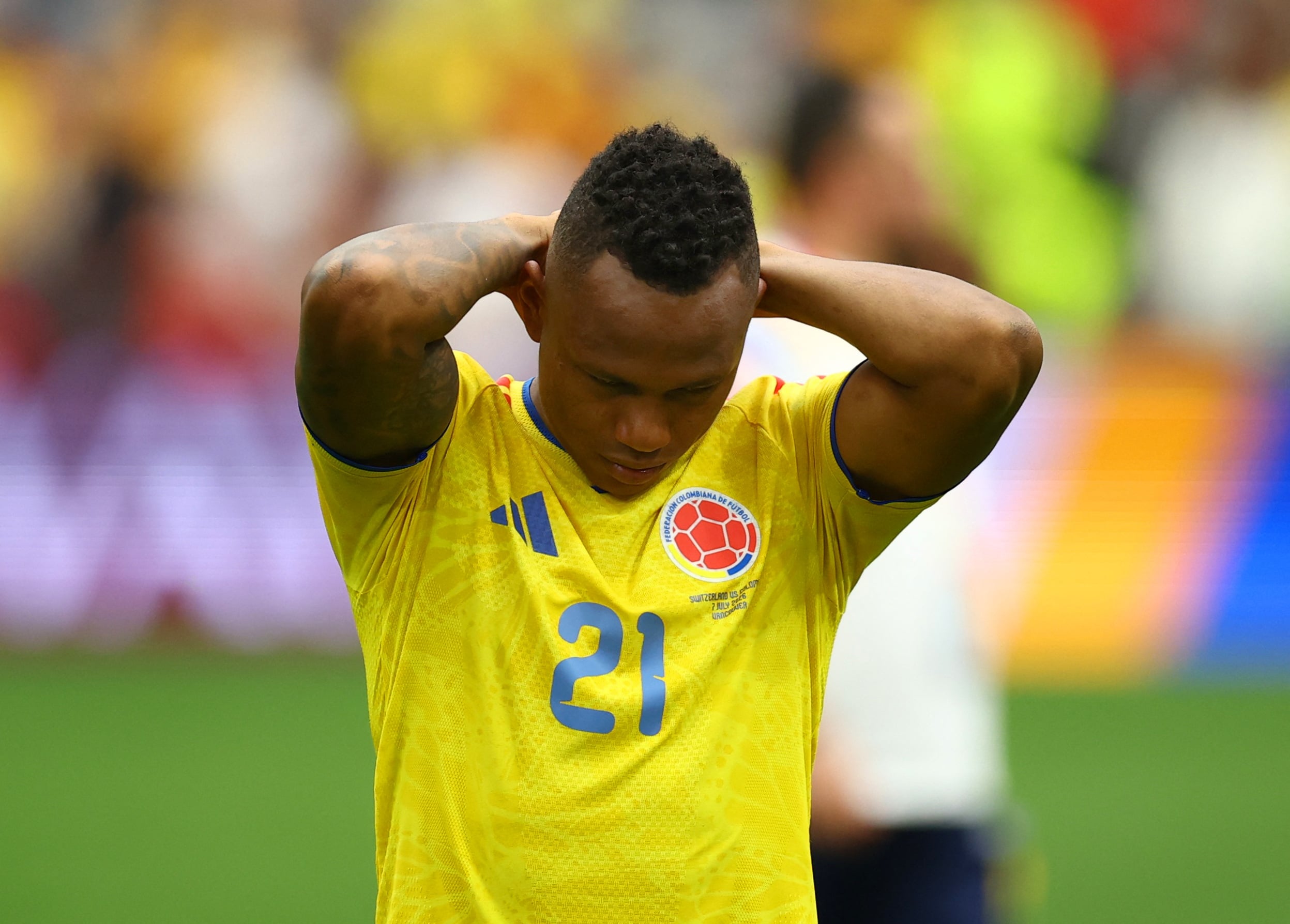

BOGOTÁ – The Instagram post came two days after the elimination. Jaminton Campaz appeared in it with his face obscured, a message alongside asking for respect and cautioning against hatred. The death threats had reached him before then.
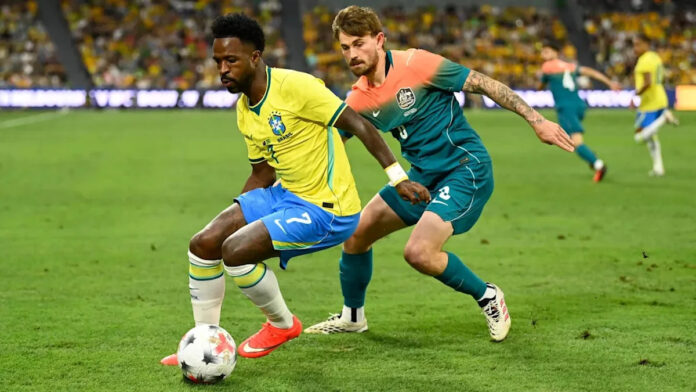
Colombia’s Round of 16 exit to Switzerland on July 7 in Vancouver ended on penalties, the format in which tournament exits concentrate into single moments of individual failure. For Campaz, who plays his club football at Rosario Central in Argentina, the aftermath of that exit moved quickly from disappointment to something the Colombian Football Federation now wants the attorney general to investigate. Al Jazeera reported that the threats arrived via Instagram following the team’s elimination.
The federation’s statement on Thursday condemned what Campaz had received and drew the legal boundary around it. “Football must be a space for unity, respect, and hope, never a setting for hatred, intimidation or violence,” the Colombian Football Federation said. The federation asked the attorney general’s office to expedite an investigation into those responsible for the threats.
No suspects have been identified publicly. No charges filed. Whether Campaz has been given any form of personal security since the threats emerged has not been made clear. The investigation request is there; the outcome of it is not yet knowable.
The comparison no one in Colombian football needs to make explicit has been circulating since the threats became public. In 1994, Andrés Escobar scored an own goal during Colombia’s group stage exit at that World Cup in the United States. Days after the team returned home, Escobar was shot and killed in Medellín. The connection between his death and the own goal was never definitively established in court, though the circumstances pointed in a direction the country has had to live with ever since. The parallels are not identical, no crime has been committed against Campaz, and the social landscape around Colombian football has changed considerably in thirty years. But the trajectory the threats carry is one Colombian football has already produced at its worst.
That context is the lens through which the federation’s legal request reads as more than a routine response to social media hostility. What distinguishes the Campaz situation is not merely the volume or content of what he received, but the history that gives those threats a particular gravity in a country still navigating what football passion costs when it crosses into violence. The federation did not invoke Escobar’s name in its statement. It did not need to.
Colombia entered the 2026 World Cup as one of the more competitive sides in the Americas bracket. The group stage went reasonably well. The round of 16 against Switzerland was the match where that run ended, in Vancouver, on penalties. Colombia can argue they competed; they cannot argue the result went their way.
Penalty shootouts distribute blame in ways that regular-time football does not. The player whose moment fails becomes, in fan perception, the player who lost the match regardless of what ninety or a hundred and twenty minutes of play may have contributed to the result. Campaz, as one of the squad’s identifiable figures in those decisive moments, absorbed the consequence of that narrative dynamic alongside the grief of elimination.
On the same day the federation’s statement was issued, the tournament continued without Colombia. Spain had reached the semifinal through Mikel Merino’s late winner against Belgium in Los Angeles, a goal that came in the 88th minute from a substitute who had barely touched the ball. The competition moved on; Colombia’s players returned to their clubs and their private lives, one of them now waiting to see whether the legal system does what the federation has asked of it.
FIFA has in recent years issued statements about protecting players from abuse on social media, including commitments to work with platforms on monitoring hostile content directed at athletes during major tournaments. Whether any coordination between FIFA, the Colombian federation, and Colombian law enforcement is currently active in the Campaz case is not known from what the federation has disclosed. The investigation request is a domestic legal action.
The broader pattern this episode sits within is one the sport is still working out. The accessibility of players on social media has created a direct channel between athletes and the public that has benefits and costs neither side fully controls. During major tournaments, when national feeling runs high and elimination arrives suddenly, the costs of that accessibility arrive quickly. France’s Kylian Mbappe advanced through the quarterfinals in a tournament where his public profile generates a volume of attention most players never experience; the contrast with what arrives for a player on the losing side of a penalty shootout is a structural feature of how these tournaments are now consumed.
For Campaz, back in Argentina now, the practical question is whether the attorney general’s investigation will be expedited as the federation requested, whether it will produce any named individuals, and whether the legal process will move faster than the public memory of this particular World Cup exit. Those answers are not available yet. What is available is a federation statement, a covered-face Instagram post, and a history that Colombia’s football community knows too well to treat the threats as purely rhetorical.