MINNEAPOLIS — The night Anthony Edwards’ season ended in San Antonio, he spent the final quarter forcing plays for teammates who could not finish them, the most visible expression of a problem Minnesota’s front office had been hearing about for months. The Timberwolves finished 49-33 and never cleared the play-in round. They were a good team running into the same wall: one creator, no one capable of sharing the weight of the offense.
Five weeks after that loss, the front office announced a solution that cost more than it first appeared.
On June 25, Minnesota sent Naz Reid, a 2033 unprotected first-round pick, three second-round selections, and three first-round pick swaps to Charlotte in exchange for LaMelo Ball and Josh Green. As Sky Sports reported, the Hornets had finished 44-38 the previous season and narrowly missed the playoffs, and concluded that Ball, who carries three years remaining on a five-year, $203.9 million rookie extension, was more valuable as a trade asset than as their cornerstone. Minnesota took the other side of that calculation.
What they gave up is substantial. Reid, 26, averaged 13.6 points, 6.2 rebounds, and 2.2 assists per game over seven seasons in Minnesota. He was the second unit’s anchor, a reliable interior scorer who stretched to the three-point line and gave Chris Finch something no other contender at the Timberwolves’ level had without paying full market value for it. The pick and swap package extends to 2033, locking away flexibility at the precise moment Edwards’ prime will demand the most support around him.
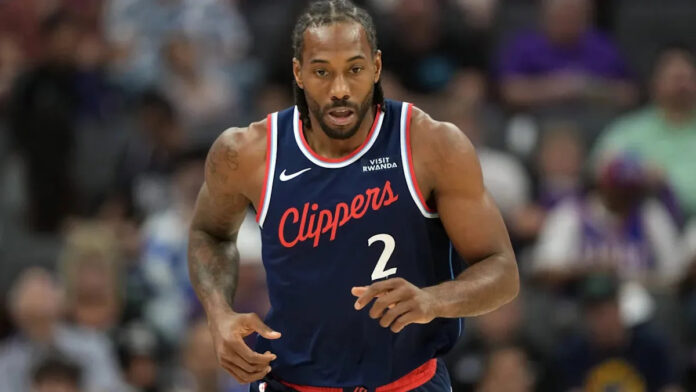
Ball is the bet that none of that matters. The 24-year-old 2022 All-Star averaged 20.1 points, 7.1 assists, and 4.8 rebounds last season across 72 games, one of the healthiest stretches of his career, which has been interrupted repeatedly by ankle and foot issues. Finch, at a July media availability, said he had long admired Ball’s passing, describing it as the specific skill most naturally suited to unlocking what Minnesota runs from its wings. Team president Tim Connelly said the same in blunter language, describing Ball publicly as a “real point guard” who would elevate the teammates around him, phrasing that carried its own implicit diagnosis of what Minnesota’s previous backcourt situations had failed to provide.
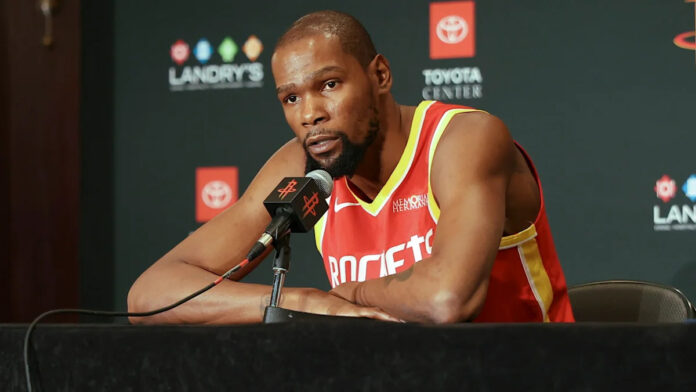
Edwards gave his own read in July. “Y’all can call us Hit and Run,” he said, two names compressed into a backcourt identity he had already decided was real. It is the kind of shorthand that works because it also contains a genuine theory: Ball, who operates at a pace almost no point guard can sustain over 30 minutes when his ankles cooperate, changes the geometry of what Edwards can do off the ball. Finch spent several seasons designing offense around Edwards’ need to create for himself and for others. Ball, at his best, handles creation independently. What Edwards becomes when he does not have to initiate every possession from scratch is the question Minnesota could not answer while it employed guards who needed the offense to function around them, not the other way around.

The bench is the part that remains visibly unresolved. Sports Illustrated identified the depth question this week as one of three burning lineup concerns facing Minnesota before training camp opens. Reid’s departure leaves a void the current roster cannot clearly cover. Green, a defensive-minded guard acquired alongside Ball, adds versatility and the ability to guard multiple positions, which has genuine strategic value for a team managing Edwards’ minutes through a long season. He is not a scorer. His role in Charlotte never required that, and Finch has given no indication of changing the expectation. Minnesota needs second-unit production from somewhere the roster does not yet identify.
Green’s defensive value is real despite that limitation. At 23, he is one of the more capable perimeter defenders available at his contract level, and his presence on the wing gives Finch assignment flexibility that matters in a Western Conference that is not thinning out. San Antonio enters the season as the market’s narrow title favorite, with Victor Wembanyama in his third year and the organization that ended Minnesota’s play-in run looking structurally more complete than anything the Timberwolves have built. Oklahoma City is a genuine contender. Philadelphia, after landing LeBron James in free agency this summer, has constructed the conference’s most formidable new challenge, and Minnesota tried to make that signing happen in its own building before LeBron chose Philadelphia, Edwards reportedly pitching James directly. The Timberwolves did not get that one. They have LaMelo Ball instead, which may be exactly what they need if everything goes right.
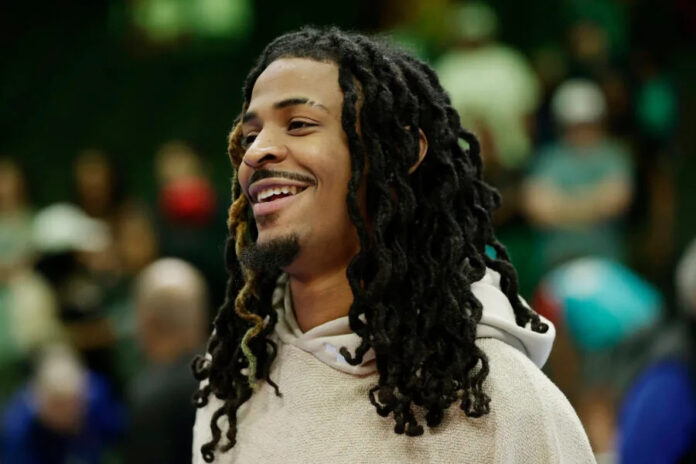
The extension question for Edwards runs alongside all of it. Team sources have described plans for what they called a “monster extension,” the kind of long-term commitment that would keep Edwards in Minneapolis through the early 2030s and make the Ball trade make more sense in retrospect: a franchise that locked in its two best players before either of them looked elsewhere. The late-July workout photos showed Ball and Edwards on the same floor together, a video that circulated widely and that the organization did nothing to discourage. Portland is running a version of the same bet with Ja Morant, the two-time All-Star acquired from Memphis in a deal that also cost a proven scorer and inherited an injury-prone star whose talent has never been the question. Both franchises are asking the same thing of October.
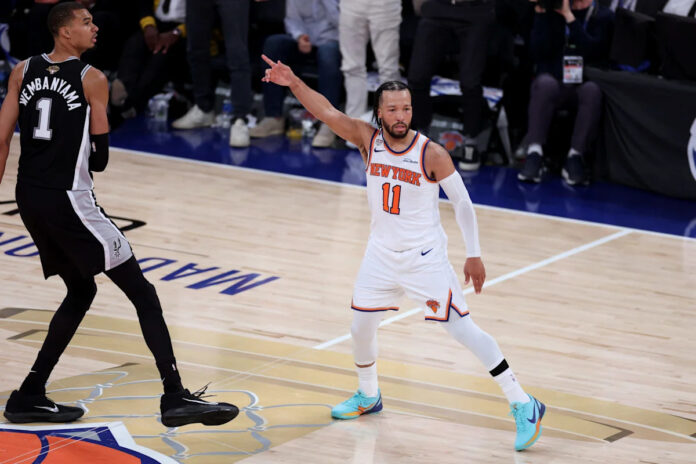
The defending champion Knicks are navigating their own roster calculations in the East, and every Western contender is sharpening its case against that backdrop. Minnesota’s calculation is clear enough: Ball healthy, Edwards extending, the bench rebuilt before November, and Finch with the lineup combinations he needs when the play-in format arrives again. What cannot be controlled, as Memphis is rediscovering in its own rebuild around young talent, is whether the player you gave a decade of draft flexibility to acquire shows up for long enough to justify the price.
Ball’s ankle has not required surgery in two years. It has also not been tested against a full 82-game schedule alongside a player of Edwards’ caliber, in a market where both of them need the ball to feel right. The Timberwolves emptied the vault for October. They will find out then whether it was worth it.