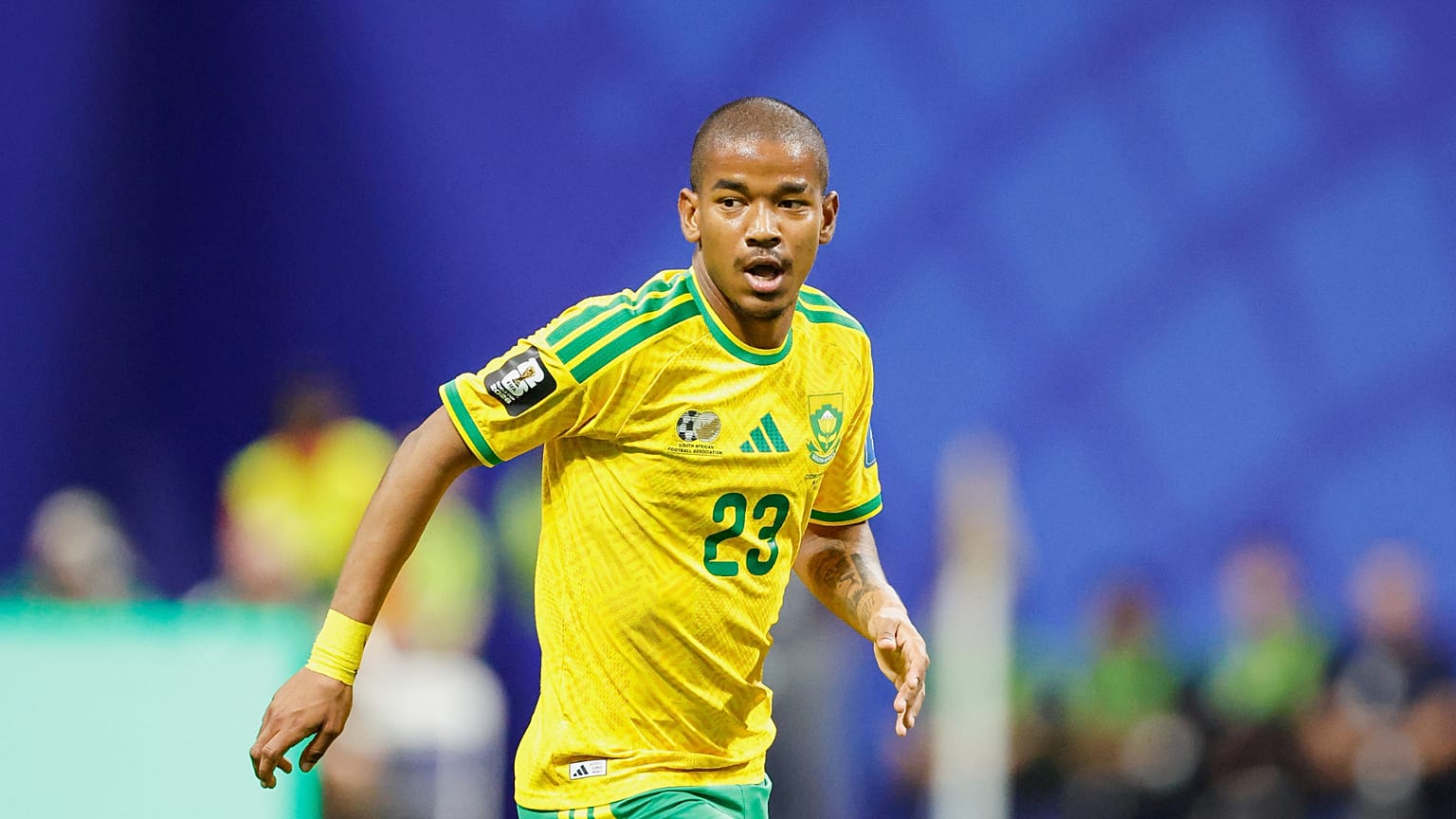

CAPE TOWN – Two weeks after walking off the pitch at the 2026 FIFA World Cup, Jayden Adams was found dead on Saturday morning at a residential property in Schotschekloof, a central Cape Town neighbourhood not far from the streets where he grew up. He was 25.
Police confirmed the discovery and opened an investigation. A police spokesperson said the circumstances around the incident were under investigation, telling Euronews that no further details would be provided. No cause of death has been disclosed.
Adams had been at the centre of South Africa best fortnight in international football history. He started or featured in all three of Bafana Bafana group stage matches at the 2026 World Cup, part of a squad that had spent two years building toward the tournament. The 2026 edition was the first to feature a 48-team field, creating a new Round of 32 knockout stage before the conventional last 16. South Africa advanced through the group phase and into that knockout round for the first time in the country World Cup history.
That accomplishment – South Africa victory over South Korea in Monterrey clinched it, Maseko heading home in the 63rd minute – drew South Africans into an unfamiliar experience: a knockout match at a World Cup, with a team that had qualified through the new group stage and earned its place. The result was watched in living rooms and fan parks across a country where rugby has long occupied football emotional territory.
The Round of 32 ended it. Against Canada in the knockout stage that followed, Stephen Eustaquio struck in the 95th minute to put Bafana Bafana out. Adams was not in the match-day squad for that game. But what the group stage had already produced – three matches, a historic first knockout appearance – was his, and it was South Africa, and no later result changed that.
South Africa Minister of Sport, Gayton McKenzie, was among the first to respond publicly to Saturday news. “It is with profound shock and a heavy heart that I have learnt of the passing of Jayden Adams,” McKenzie said. “South African football has lost one of its brightest young talents.” He gave no details on the circumstances.
The 2026 World Cup was Adams second senior international tournament. He had been part of the Bafana Bafana squad that finished third at the 2024 Africa Cup of Nations in Ivory Coast, a result that announced South Africa arrival among the continent top-tier teams at a moment when the country football had spent years rebuilding. The sequence of results – a continental podium finish and then a historic World Cup knockout appearance within two years – represented the high point of a generation, and Adams was in both squads when they happened.
The specific details of his club career were not immediately clear from international reports on Saturday afternoon. What was known was that Adams had trained and played at the highest levels the South African system offered, enough to earn selection to a national team that had been winning in sequences that a decade ago would have been difficult to project. The absence of a disclosed cause of death meant that the question of what had happened to him remained, publicly, without an answer.
The news arrived in Cape Town on a weekend the city might otherwise have spent watching a World Cup quarterfinal. For the South African football community, what came through on Saturday was something with no outcome to analyse and no match to replay. Adams had been at the World Cup. He had come home. And then, on a Saturday morning in a suburb of the city he was from, he was gone, at 25, two weeks after the tournament that defined what Bafana Bafana had become.
Police said the investigation was ongoing. No timeline was given. The South African Football Association had not released a formal statement as of the time of publication. The cause of Jayden Adams death, on Saturday afternoon, remained unknown.