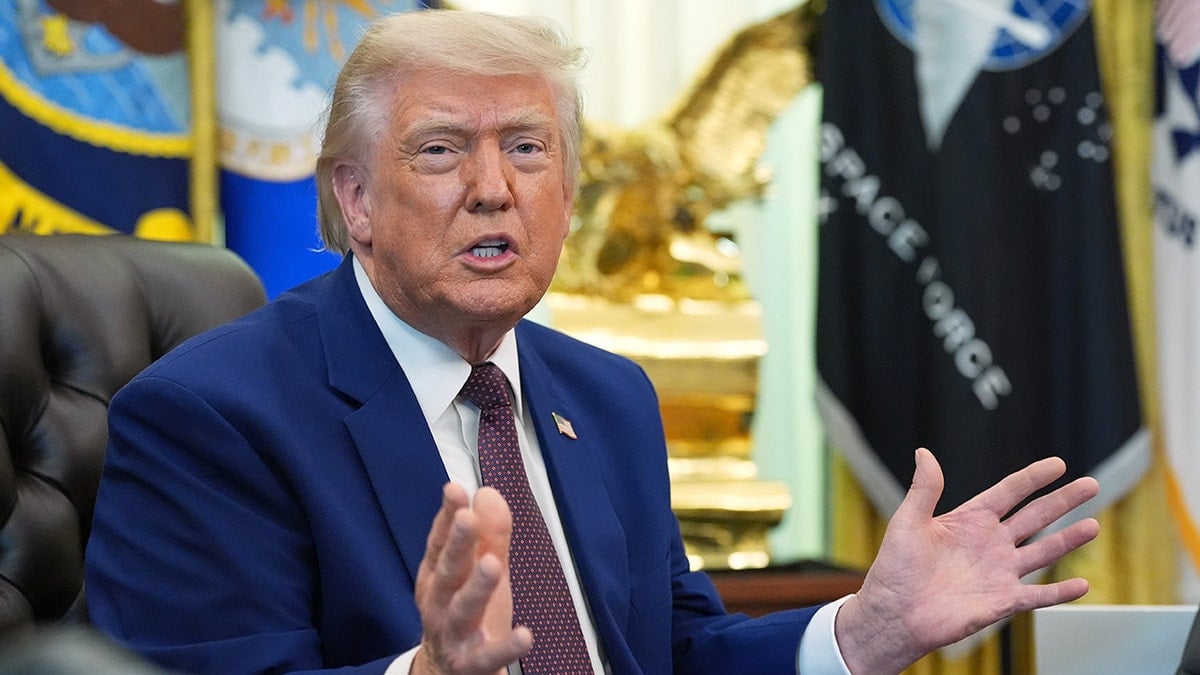

WASHINGTON – The moment the clock struck midnight on Saturday, a sweeping bipartisan housing bill quietly became federal law, not because President Donald Trump signed it, but because he chose to do nothing.
The 21st Century ROAD to Housing Act, a measure spanning roughly 60 provisions, passed into law by constitutional default. Trump had ten days, Sundays excluded, to either sign or veto the legislation. He let the deadline expire, allowing the bill to take effect automatically. His reasoning was explicit: he would not celebrate a housing measure, however substantial, while his preferred election-integrity legislation sat stalled in the Senate.
Trump’s own words made that calculation plain. The day before enactment, he ranked the housing bill well below the SAVE America Act, which would require documentary proof of citizenship for voter registration in federal elections and which Senate Democrats and some Republicans have blocked from advancing past the chamber’s 60-vote filibuster threshold. “Compared to the SAVE America Act, just about everything is a big yawn,” he said. “I think the SAVE America Act is exactly what it says. It’s saving America from crooked elections.”
The constitutional mechanism Trump used is rare but not without precedent. A president choosing to neither sign nor veto a bill is sometimes called an unsigned enactment, effectively a pocket approval stripped of ceremony. The bill’s bipartisan backers accepted the outcome with relief rather than celebration, having feared a last-minute veto that would have erased the most significant federal housing legislation in years.
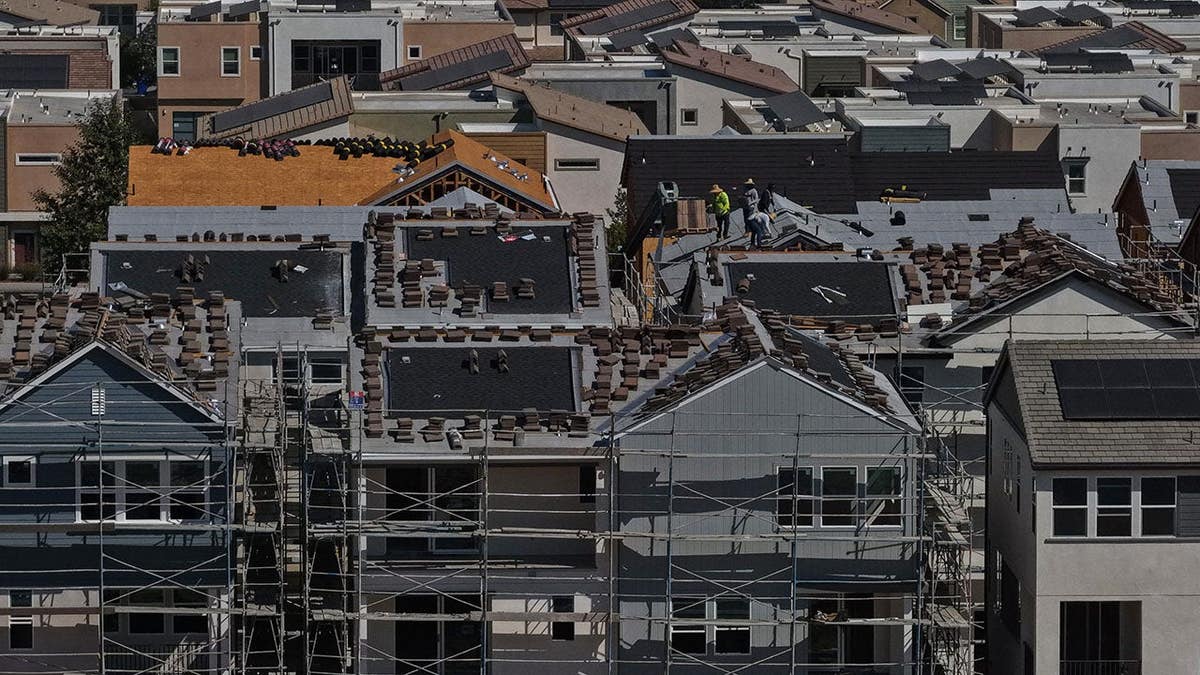
The law attacks the national housing shortage from several directions at once. It streamlines the environmental review process for residential construction, which builders have long argued creates years of regulatory delay before a single foundation can be poured. It loosens restrictions on factory-built homes, which are typically cheaper than site-built construction but face local zoning barriers that limit where they can be placed. The legislation also offers financial incentives for local governments to ease exclusionary zoning and bans institutional investors holding 50 or more single-family properties from acquiring additional homes, a provision that housing advocates have sought for years.
Senate Health, Education, Labor and Pensions Committee Chairman Bill Cassidy, Republican of Louisiana and a lead sponsor, offered no diplomatic cushioning. “It’s irresponsible to postpone signing the Housing bill due to the SAVE Act,” Cassidy said, making clear he viewed the strategy as a misuse of genuine legislative achievement for a goal that was going nowhere fast.
The political maneuvering behind Trump’s inaction stretched back months. According to Fox News, Trump political operative James Blair orchestrated a sustained internal pressure campaign urging the president to withhold his signature until Congress moved on the SAVE America Act. Courts had already struck down Trump’s mail-ballot executive order in 22 states, leaving the SAVE Act as the administration’s legislative fallback on election integrity. The Senate has so far shown no sign of finding the 60 votes needed to advance it.
House Speaker Mike Johnson offered a more optimistic reading. He told reporters the approach had been “making it very effectively” and had achieved “the desired objective,” suggesting the housing-bill pressure had somehow moved the needle on the SAVE Act in the Senate. No concrete movement was visible to support that claim.
White House Press Secretary Karoline Leavitt declined to say whether Trump personally supported the housing legislation’s substance. Throughout the bill’s congressional journey, the administration remained conspicuously noncommittal on the merits, treating the housing shortage as secondary to its voting-law agenda even as elevated mortgage rates and limited inventory locked millions of Americans out of homeownership.
The law’s provisions will take effect on a rolling schedule. Some are immediately operative; others require regulatory action from the Department of Housing and Urban Development. Environmental groups have already signaled legal challenges to the streamlined review process, arguing it removes critical protections for wetlands and sensitive habitats near proposed residential developments.
The institutional investor ban faces its own likely legal challenge. Real estate investment trusts and private equity firms with large single-family portfolios have argued that institutional ownership improves housing maintenance and expands rental supply. The law draws the line at 50 properties, leaving smaller landlords unaffected. Whether that threshold survives court scrutiny will help determine one of the law’s most consequential impacts on housing markets in major metros, where corporate ownership has expanded sharply over the past decade.
What the episode made clear was the administration’s hierarchy of priorities. As Trump and Johnson’s earlier White House talks on the housing bill deadlock showed, housing ranked below election integrity on the president’s list of urgent concerns, a judgment Trump made no effort to conceal. He built a career in real estate before entering politics, yet never offered a substantive critique of the legislation’s content. He simply chose not to sign it.