
NEW YORK – The swimmer at Jones Beach had cleared the break line when the sand tiger shark found his foot. The Fourth of July weekend bite, confirmed by the New York Department of Environmental Conservation and ruled non-life-threatening, left lacerations and a question now trailing beachgoers across the Northeast: why are there so many more sharks so close to shore?
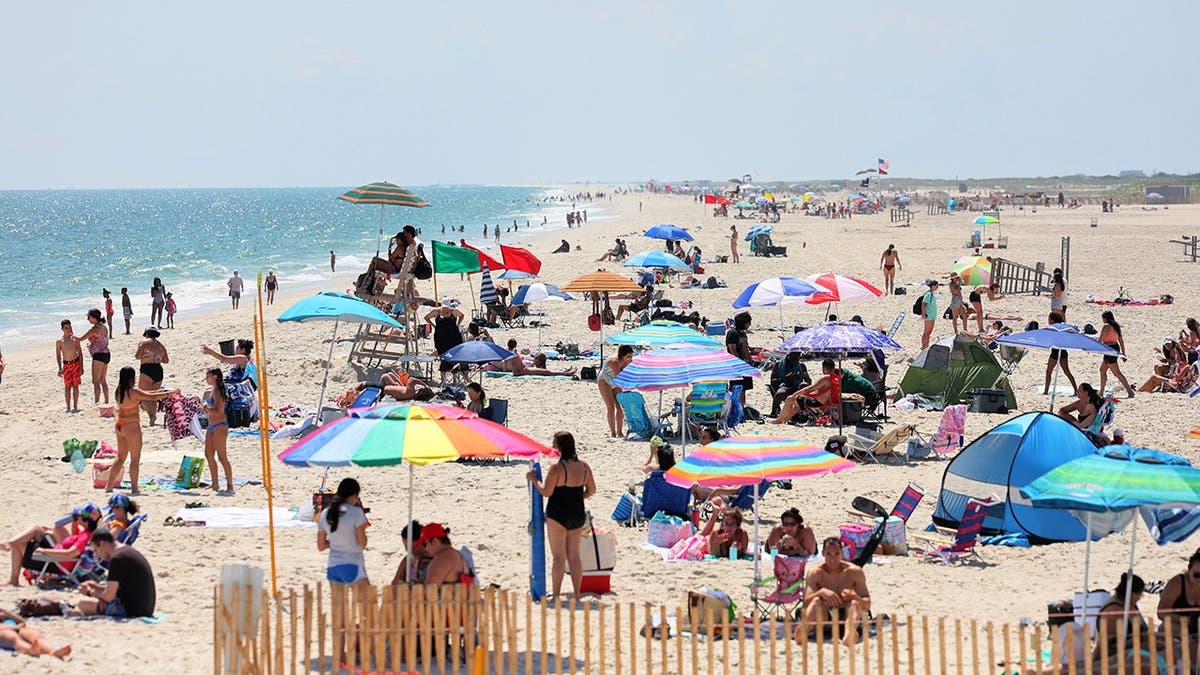
At Rockaway Beach in Queens, lifeguards had already shut the water 23 times since May before the holiday weekend ended. Sixteen of those closures fell within the opening five days of July alone, a clip that signals something different about this summer along the East Coast, Fox News reported. Drone footage has become a fixture above the break lines at New York City beaches, and the numbers it is generating have not quieted down. Point Lookout on the south shore of Long Island added another sighting on July 2. In late June, East Haven in Connecticut drew in a 5.5-foot sandbar shark that was caught and released without injury, registering inside the same pattern accumulating along the coast.
The volume of incidents has pushed some beachgoers toward alarm that does not quite match the statistical risk. Gavin Naylor, director of shark research at the Florida Museum of Natural History, offered calibration. “If somebody is bitten by a shark, and then an alert goes out, the probability that another person’s going to be bitten by a shark within, let’s say, two or three hours, is incredibly small,” Naylor said. Short-term risk after a confirmed bite is lower than the immediate anxiety on the beach would suggest. The longer-term question of what is drawing sharks so consistently into shallow water this summer has no equivalent reassurance.
A federal bill is waiting on the matter. The Lulu Gribbin Shark Alert System Act, championed by Senator Katie Britt of Alabama, proposes a coordinated alert system that would operate the way Amber Alerts function for missing children. Gribbin, a teenager who survived a double shark attack, became the legislation’s namesake after her case drew attention to gaps in how beachgoers receive warnings. Britt made the stakes direct. “If there had been any type of alert that was given, there’s no way that Lulu would have been in the water,” the senator said. A national system does not yet exist. The bill has not come to a vote.
New York State moved in May 2026, before the summer season opened, to deploy drone surveillance over popular beaches as part of an expanded safety plan. The drones have contributed to closures at Rockaway by providing aerial footage that ground-level patrols would be slower to act on. Beachgoers who want independent visibility into shark movements can access the OCEARCH Shark Tracker, a free tool that maps tagged animals in near-real time using satellite data, though it captures a fraction of what actually moves through coastal waters.
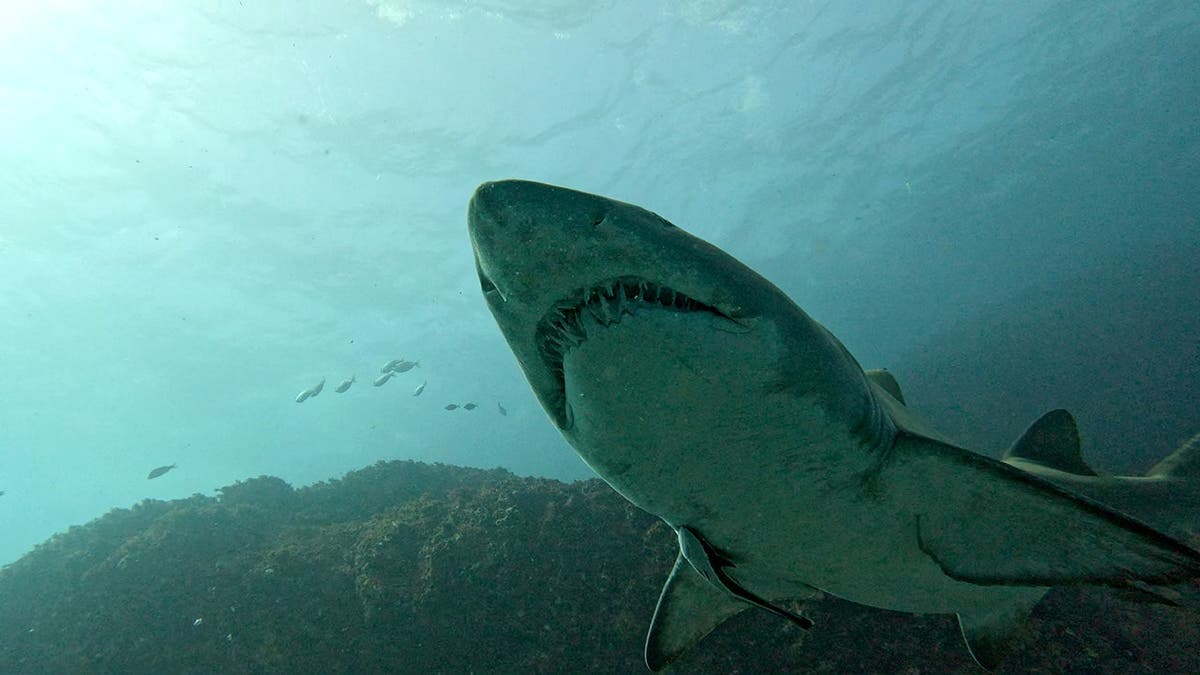
The spike in shark activity has added to what has already been an unsettled summer for outdoor safety along the Eastern Seaboard. An exceptionally active tick season drew CDC warnings in June after emergency room visits for tick bites hit their highest level in nine years. The consecutive hazard advisories reflect less like seasonal misfortune and more like a sustained shift in how wildlife is moving through coastal and suburban environments.
The concentration of shark incidents this summer does not yet carry a named cause. Marine biologists have pointed to warming water temperatures that shift bait fish closer to shore, pulling the sharks that follow them into more frequent contact with beachgoers. A specific driver for this summer’s numbers at Rockaway and along the Long Island coast has not been formally established. What is documented is that 23 sightings at one urban beach before July’s second week represents a pace that outpaced recent memory for that stretch of coastline.
For anyone with East Coast beach plans through the remainder of July and into August, the practical guidance from state agencies and marine researchers converges on the same points. Avoid the water at dusk and dawn, when shark feeding activity typically increases. Stay clear of the surf near active fishing areas or visible concentrations of bait fish, which can draw sharks into the shallows. Monitor local beach authority updates before entering the water. New York’s beach patrol staff has been operating under elevated alert conditions since the July closure rate accelerated.
Even with drones above the waterline and satellite tracking tools available to the public, the gap between what surveillance can monitor and what is actually in the water remains significant. Research at the Florida Museum of Natural History makes clear that predicting when a shark will intersect with a swimmer is not a problem technology has solved. Tagging programs cover only a subset of the population in any coastal zone. The closures at Rockaway are reactive: the beach shuts after a sighting, not before.
The bill with Lulu Gribbin’s name on it has not come up for a vote. The summer has several more weeks. Rockaway’s count is 23 and not finished. The Jones Beach swimmer’s Fourth of July did not go as planned, and the sand tiger shark responsible is somewhere in the Atlantic. How many more encounters the rest of this summer will produce, or whether the pace at Rockaway and along the south shore represents a statistical peak or the beginning of something longer, is not yet known.