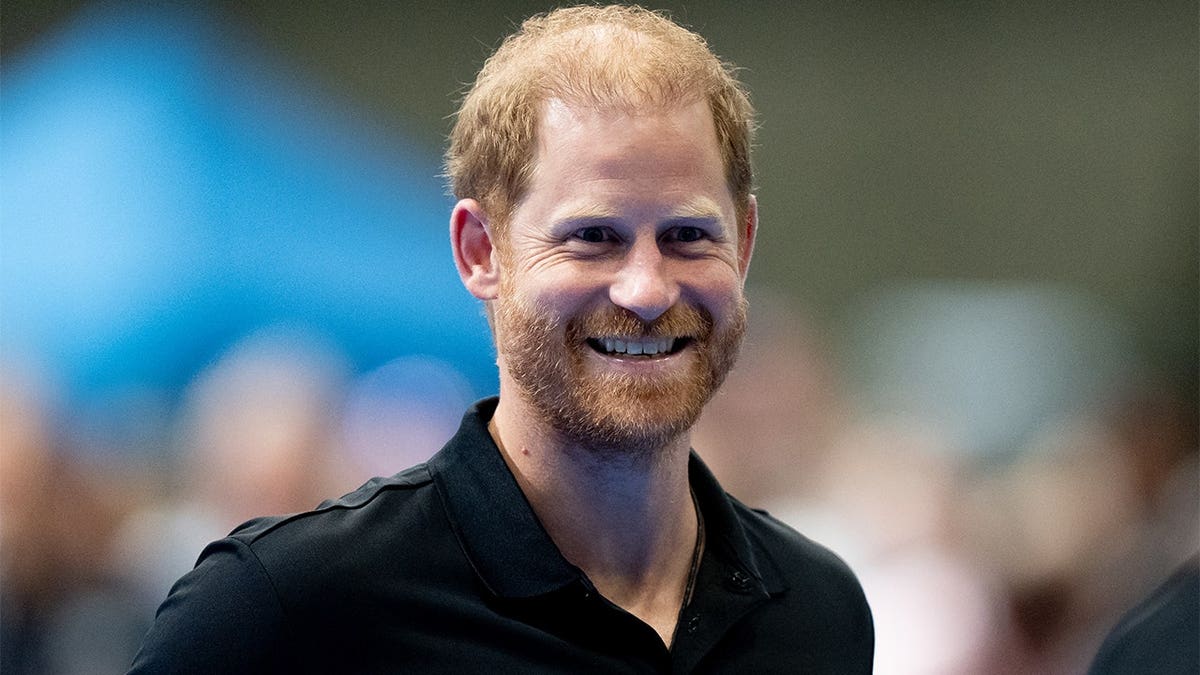

LONDON – A year before wounded veterans from around the world descend on Birmingham for the 2027 Invictus Games, Prince Harry walked back onto British soil last Thursday for something his critics have long struggled to diminish: a cause that was never about him.
The Duke of Sussex appeared at the National Exhibition Centre on July 10, joining athletes and organizers for the competition’s official one-year countdown event. He played pickleball and participated in wheelchair rugby, two of the new sports being added to the 2027 program, alongside competitors whose injuries rarely register in public discourse outside of military funding debates or healthcare policy.
“The Invictus Games highlight the best of Prince Harry and the assets the British royal family lost when the Sussexes exited working royal life,” royal commentator Meredith Constant told Fox News.
British royal expert Hilary Fordwich offered a simpler accounting of the games’ durability. “What sets Invictus apart is that it is based on something so genuine, from his heart and his previous military experiences,” Fordwich said. Harry served 10 years in the British Army, completing two deployments to Afghanistan, an experience that gave him a direct window into what combat injury costs and what recovery demands.
Richard Fitzwilliams, a third royal expert who has tracked Harry’s relationship with the institution he left, was unambiguous: “there is little doubt that Invictus is uniquely valuable” in its direct support for veterans managing physical and mental health challenges after service.
Harry founded the Invictus Games in 2014. The inaugural competition brought together athletes from 13 nations at London’s Queen Elizabeth Olympic Park, with nine adaptive sports on the program. The format has grown through every subsequent edition, with each host city adding a local dimension while the core logic holds: rehabilitation through competition, and a public stage for the kind of courage that tends to disappear once soldiers leave the headlines.
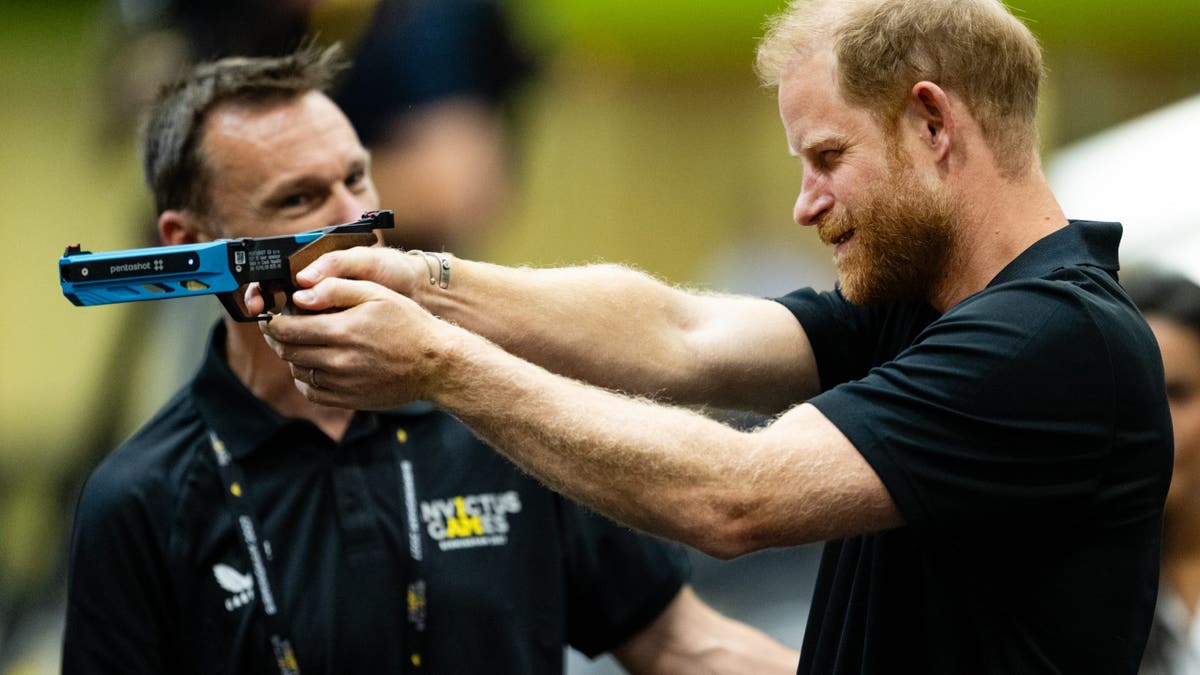
The 2027 Birmingham edition will mark the first time the Invictus Games returns to British soil in 13 years. The competition will include wheelchair basketball, wheelchair rugby, sitting volleyball, swimming, indoor rowing, cycling, athletics, and archery. Winter editions have also added alpine skiing, snowboarding, skeleton, and wheelchair curling. Pickleball, one of two new sports for Birmingham, has traveled from American recreational courts to adaptive competition in under a decade.
The July 10 event at the NEC was organized around both ceremony and operational groundwork. Staff from the Birmingham organizing committee, representatives from national sports federations, and athletes scheduled to compete next year used the one-year milestone to accelerate preparation on venue logistics, broadcast arrangements, and scheduling. The NEC has hosted large-scale multi-sport competitions before; its indoor arena network suits a games program expected to run across multiple venues simultaneously. Harry’s role at the event was active rather than ceremonial, on the court alongside the athletes rather than at a podium above them.
His return to the United Kingdom carried less diplomatic tension than some recent visits. Earlier trips had been shadowed by ongoing legal proceedings against British tabloids or timed to royal milestones that brought competing pressures to the surface. Thursday’s appearance was, by design, organized entirely around the games. Buckingham Palace issued no statement.
What the countdown event did not resolve is whether the careful proximity Harry has maintained with the institution since he and Meghan stepped back from working royal life in 2020 has developed any specific shape. He attended his father’s coronation in 2023. He has been back in the country on other occasions, each time under conditions that described nearness without reconciliation. Whether the Birmingham Games, as a British event with direct military resonance, becomes something different is not yet clear.
Royal commentator Constant’s framing carries weight because it identifies the stalemate accurately. The games represent what the royal family no longer has, not what it retained. The Invictus infrastructure, including coaching networks, mental health partnerships, and a growing global alumni community, now functions whether or not Harry’s relationship with the palace is operational. He remains the competition’s most visible advocate. The debates about what else he owes or is owed run on a parallel track.
Fordwich’s observation about authenticity describes why an institution launched by a celebrity figure has outlasted the usual arc of such things. The games grew from something real: a soldier who had been in the field, who had seen the human cost of the wars his country was fighting, and who had the platform to build a response. The arguments about that soldier’s relationship to his title, his security arrangements, and his media posture have continued for 12 years alongside the competition. They will likely continue through Birmingham.
The 2027 Invictus Games are scheduled for summer of that year. Full sport programs, national delegation rosters, and ticketing information have not yet been released.