
LONDON – The video Kensington Palace posted on Wednesday does not look staged. Prince George, thirteen years old on July 22, climbs rocks on a beach with his younger brother, Prince Louis, moves quickly, and there is no caption beyond a birthday greeting and a cake emoji. It is candid in the way that only royals can manage candid – produced by an institution, released to tens of millions of followers, and still somehow conveying the impression that nobody was watching.
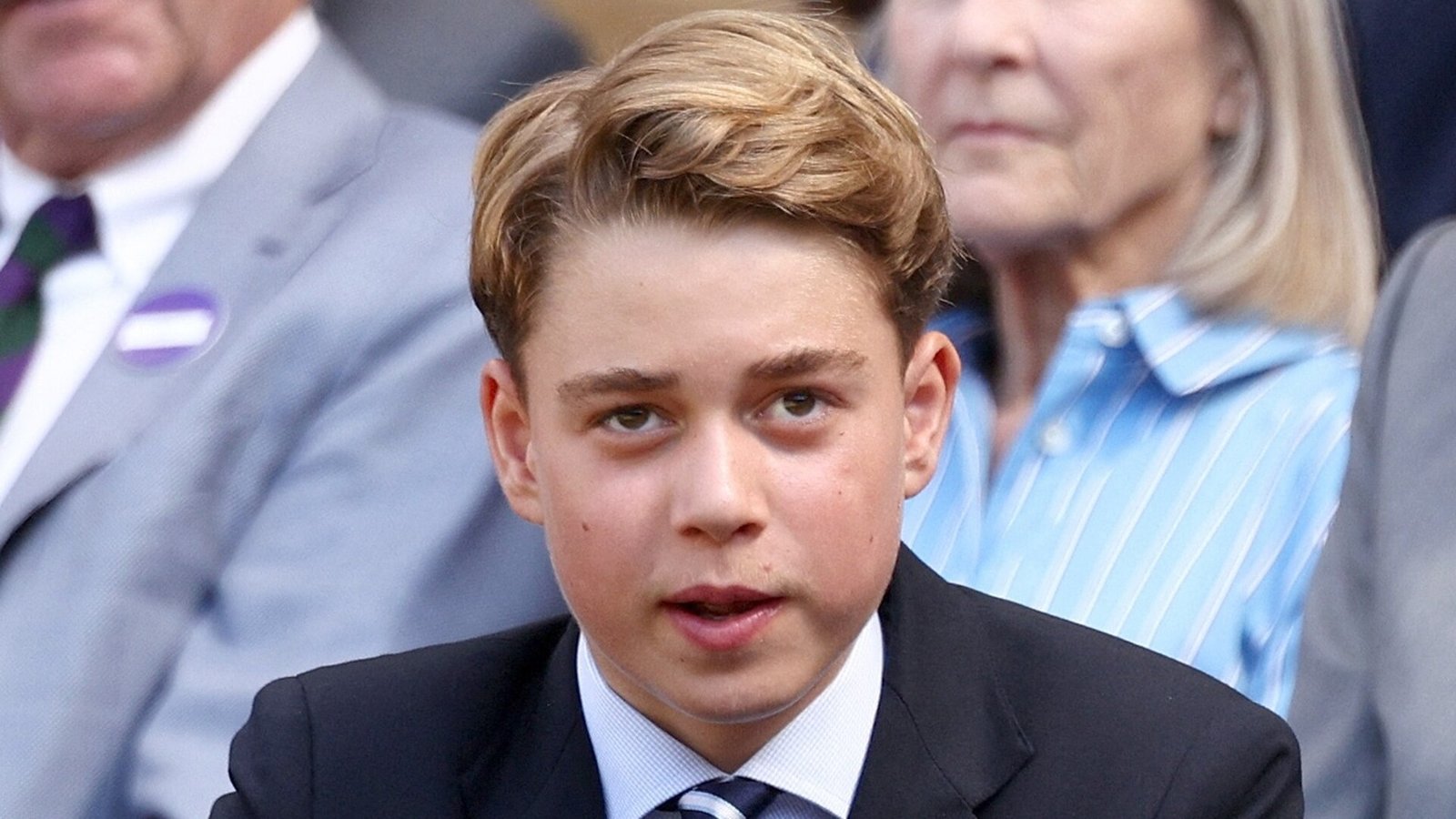
Alongside the video came a new portrait by photographer Matt Porteous, taken earlier in the summer at Kensington Palace. George is in a dark suit and smiling, and the formality of the setting is offset slightly by his expression, which reads as recognizably teenage rather than ceremonially royal. The palace has worked with Porteous across several landmark photographs of the Wales family in recent years, and his preference for natural light and restrained composition has become the informal house style for this generation of the monarchy.
The birthday marks something more than a number. In September, George will become a boarding student at Eton College, the school near Windsor Castle where his father, Prince William, studied in the 1990s. Boarding school at thirteen represents a significant change in the fabric of daily royal family life – not the palace events and public appearances, but the private rhythms of a household that now exports one of its children to term-time independence. For a family that has been unusually deliberate about managing its children’s public profile, the Eton chapter begins a period where that management necessarily eases.
Eton has been the school of British prime ministers, aristocrats, and members of the royal family for centuries. William attended between 1995 and 2000, and the school’s proximity to Windsor Castle – less than fifteen minutes by car from the Wales family home at Adelaide Cottage – means the geography of George’s childhood does not dramatically change. What changes is the structure. Boarding students live in houses within the school grounds during term, and George will share that environment with roughly 1,300 other boys – a remarkable arrangement for someone who has rarely had an unremarked day.
King Charles has been kept from his own grandchildren for four consecutive years because of the unresolved security dispute surrounding Prince Harry, a fracture that has placed a quiet shadow over the royal family’s generational picture. George’s birthday falls at a moment when the public image of the monarchy depends heavily on the Wales family to carry the institution’s positive associations – and the beach video and Porteous portrait are evidence that William and Catherine understand the weight of that role.
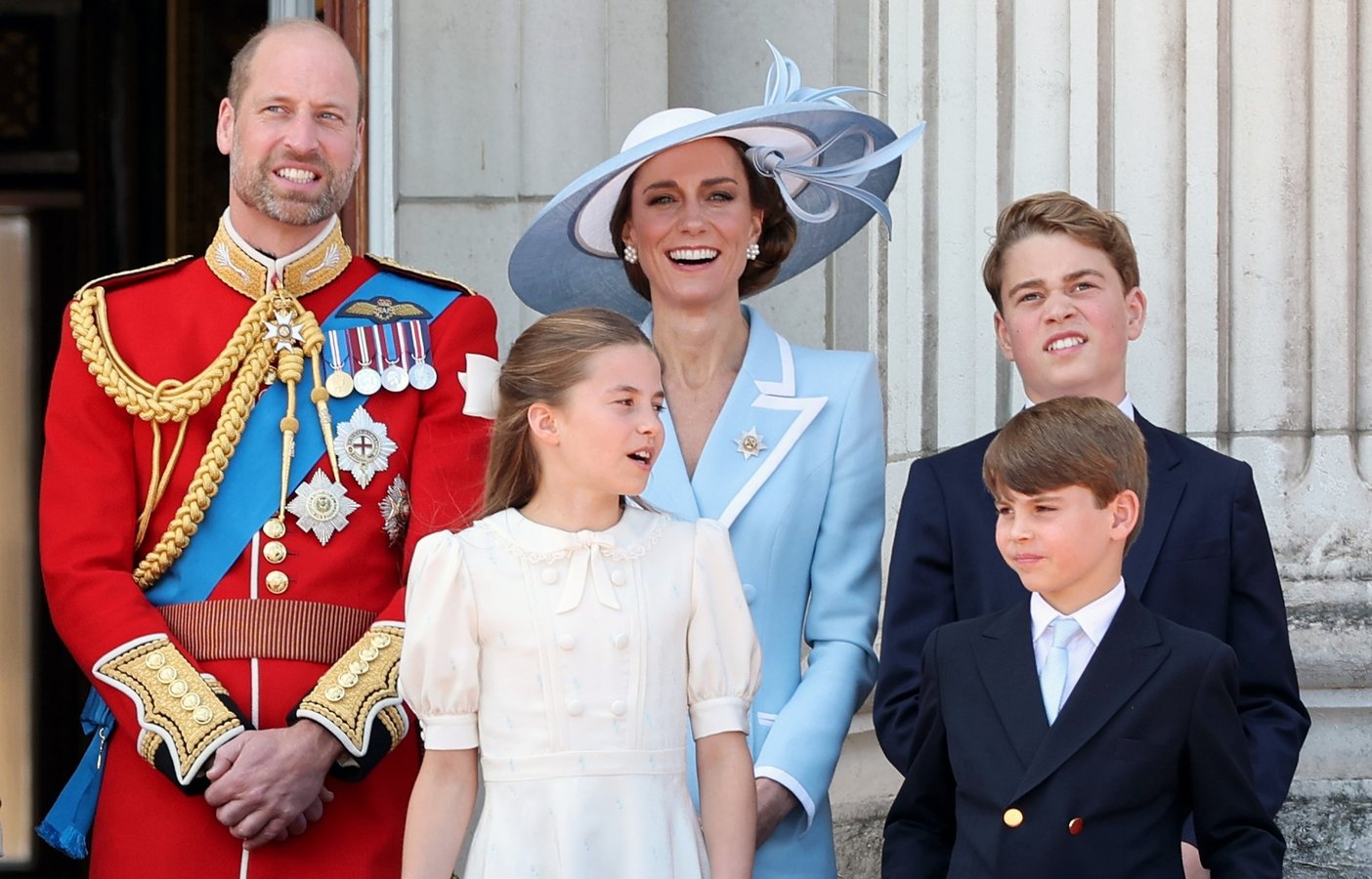
George appeared at Trooping the Colour in June and attended the Wimbledon men’s final on July 12 alongside his parents and Princess Charlotte. ABC News reported that these appearances have positioned him increasingly as an active participant in the monarchy’s ceremonial calendar rather than a background presence in family photographs. The shift in framing is deliberate: George is not being pushed to the front prematurely, but the palace is clearly calibrating his visibility upward as he approaches his teenage years.
George is second in line to the British throne, behind his father. Speculation about King Charles’s health and the pace of royal succession has circulated periodically since his cancer diagnosis, placing a heavier symbolic weight on William’s visibility and, by extension, on the generation that follows him. George’s public image carries institutional stakes that go considerably beyond the ordinary birthday coverage.
Catherine, Princess of Wales, completed a course of preventive chemotherapy in 2024 and has returned to an active public schedule this year, appearing alongside her children at several high-profile events. Kate Middleton has been present at Wimbledon, at Trooping the Colour, and in the family photographs released through Kensington Palace, and the beach video – casual, outdoor, apparently taken at leisure – has the texture of a family that has passed through a difficult period and arrived somewhere closer to ordinary.
What George makes of turning thirteen – of the Eton chapter ahead, of his position in an institution that follows him into every room – has not been documented. The palace does not produce interviews with royal children, and George has not spoken publicly in any format. His interior life is the only part of the story the birthday photographs cannot reach.
What the beach video confirms is that Kensington Palace has found a communications register that works: warm, informal, and recognizably familial without requiring anyone to sustain a performance for an extended period. Whether that register survives the next decade – as George moves through Eton, turns eighteen, and begins to take on formal royal duties – is a question the institution will have to answer in public, one photograph at a time.