
LONDON — Charles Spencer had planned to let the book speak for itself. By the morning it went on sale, the king had already made that impossible.
Buckingham Palace issued a statement Monday timed to coincide with the publication of “Swan Song: Diana, My Sister,” Spencer’s account of his sister’s life and death, a rare move from an institution that prides itself on staying above such disputes. The statement read: “While we do not comment on books as a matter of principle, His Majesty is mindful that the pain of fraternal grief can cloud reason, affect judgment and color memory in ways others do not recognize, even many years after such a loss.” King Charles has not addressed the book’s specific allegations directly.
Spencer’s response, posted online within hours, became an instant headline. “It is not every day you wake up to find you’ve been gaslit by the king,” he wrote. By midday, “Swan Song” had climbed to No. 1 on Amazon’s pre-order charts, the publishing equivalent of no publicity being bad publicity.
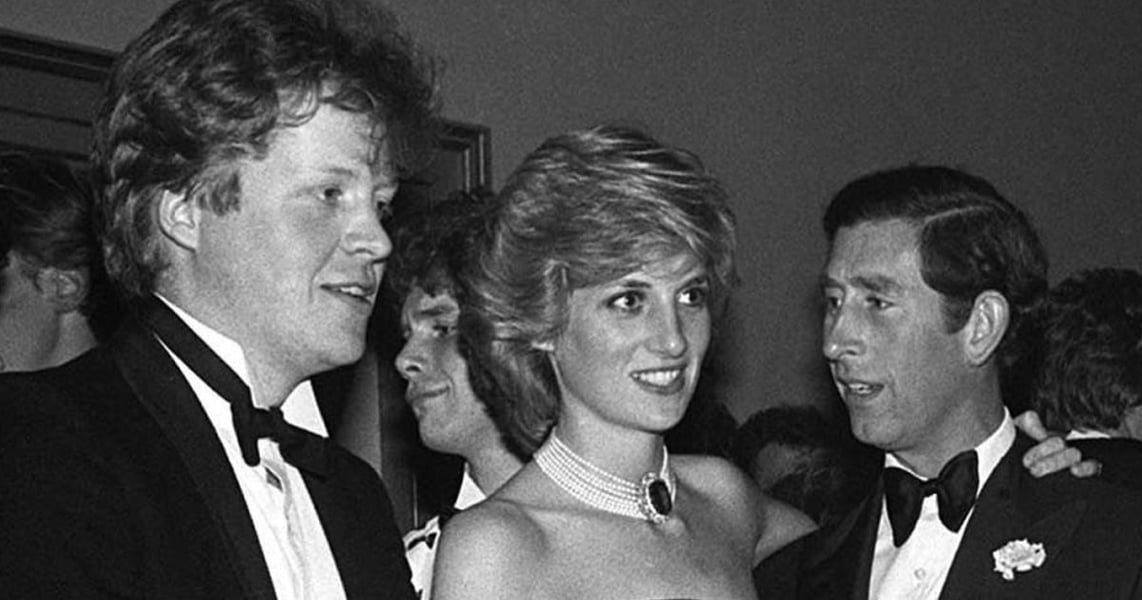
The book, published today by Michael Joseph, an imprint of Penguin Random House, is Spencer’s first extended public account of his relationship with Diana, Princess of Wales, and the events surrounding her death in Paris on August 31, 1997. The 9th Earl Spencer, who delivered the famous eulogy at Westminster Abbey in which he pledged the Spencer family’s protection over Diana’s sons, describes losing his sister as “like an amputation,” a wound that twenty-nine years have not fully closed. The book spans Diana’s early life in the Spencer household, her years inside the palace, and what Spencer calls her deliberate efforts to maintain a private self distinct from the identity the institution assigned her.

The timing misfired. Rather than neutralizing the book’s most damaging allegations, the palace intervention gave them oxygen and provided Spencer with a rejoinder that any headline writer could use. That dynamic, the institutional response that amplifies what it seeks to dismiss, has shaped royal controversies before, and it defined the launch day of “Swan Song” entirely. By the time British bookshops opened their doors, the palace statement was already the story.
Spencer’s memoir arrives at a fraught moment for the House of Windsor. He indicated in advance interviews that both Prince Harry and his brother were aware of the book’s contents before publication, a suggestion that has fueled speculation about whether either prince has read the allegations against their father and chosen silence. Neither Kensington Palace nor representatives for the Duke of Sussex have commented. The quiet from both camps is its own signal.
What “Swan Song” cannot supply, and does not claim to supply, is independent corroboration of Prince Charles’s reported words. The conversations Spencer describes were private. He names no witnesses to the “forget her soon enough” exchange, no contemporaneous diary entries, no secondary sources who heard anything similar. That absence does not automatically discredit the account, but it means the dispute between Spencer’s memory and the palace’s dismissal of it will not be resolved by the book itself, only by whatever private knowledge the living witnesses choose to share, or withhold.

Diana’s death, which left her sons aged fifteen and twelve, reaches its thirtieth anniversary in August 2027. “Swan Song” will almost certainly be central to that year’s retrospective cycle, particularly if its most explosive claims are neither confirmed nor definitively denied. The palace gambled Monday that invoking fraternal grief would soften the book’s reception. Instead, it handed Spencer and his sister one final front-page headline.