
The British monarchy faced one of its most destabilizing moments in decades this week as the fallout from the Epstein Files shake the British monarchy, intensifying scrutiny over Andrew Mountbatten-Windsor and forcing the royal household into a carefully choreographed display of unity.
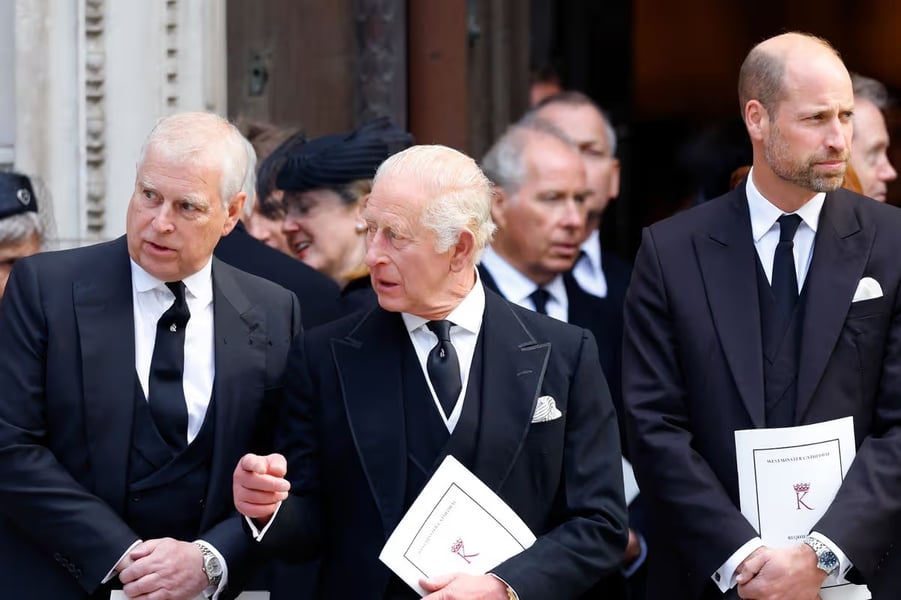
In London, Prince William and Catherine, Princess of Wales, appeared publicly beside King Charles III in what observers described as a deliberate attempt to reassure a shaken institution. The appearance came just weeks after Andrew’s arrest, a development that has plunged Britain’s royal family into a scandal reverberating across governments, media and legal institutions worldwide.
The public engagement, held during a high-profile royal event, marked the largest royal gathering since Andrew Mountbatten-Windsor’s arrest, underscoring how deeply the controversy has penetrated the monarchy’s public image.
Royal watchers say the optics were unmistakable. By presenting a unified front, senior royals attempted to draw a sharp line between the future of the monarchy and the crisis engulfing Andrew. Yet the strategy has done little to quell the expanding political storm triggered by revelations contained within the Epstein Files.
Across Britain and beyond, critics argue the scandal exposes long-standing questions about privilege, accountability and the opaque networks that allowed Jeffrey Epstein’s influence to spread among powerful figures. New reporting, including new photos emerging from the Epstein Files controversy, has only intensified public anger.
Authorities continue to examine Andrew’s past connections with Epstein and the possibility that sensitive information may have been improperly shared during his tenure as Britain’s trade envoy. Investigators have focused on growing scrutiny over Andrew’s meetings with Jeffrey Epstein, including gatherings that allegedly took place at Royal Lodge.
For the monarchy, the implications extend far beyond legal proceedings. The Epstein Files have evolved into a global political controversy that continues to generate new allegations, digital records and testimony. Earlier reports examining Justice Department scrutiny over missing Epstein records fueled suspicions that critical documentation connected to Epstein’s network may have been lost, withheld or deliberately obscured.
The revelations have also intersected with broader investigations into the individuals who communicated with Epstein across business, political and academic circles. One such thread emerged in the disclosure of emails linking Jeffrey Epstein to academic networks, highlighting the scale of the financier’s connections across institutions.
Inside the royal establishment, officials have worked to distance the institution from Andrew’s legal troubles. But critics argue the damage has already been done. Calls for accountability have grown louder across the Commonwealth, including calls to remove Andrew from the royal line of succession.
Such proposals illustrate how the Epstein Files scandal has transcended tabloid headlines to become a constitutional question. If public pressure continues to mount, experts say it could force unprecedented reforms to Britain’s centuries-old monarchy.
For King Charles, the crisis arrives at a delicate moment in his reign. Having ascended to the throne with promises of modernization and transparency, the monarch now faces a scandal rooted in events stretching back decades.
The royal family’s internal tensions were already evident long before Andrew’s arrest. Earlier coverage of Prince Andrew’s exile to Sandringham amid Epstein fallout suggested the palace had attempted to quietly sideline the embattled royal from public life.
Yet the publication of new evidence has repeatedly revived the controversy. Analysts say the Epstein Files function as a sprawling archive of emails, flight logs, financial records and witness testimony that continue to reveal new connections among powerful figures.
These revelations have also triggered political controversies in the United States, where debates over transparency have intensified. Investigative reports examining Trump Epstein cover-up allegations and DOJ redactions have added another layer of controversy to the broader international investigation.
Meanwhile, the British public has watched the royal family’s response with increasing skepticism. At Westminster Abbey, cameras captured Prince William and Kate appearing alongside King Charles in a rare show of unity, a moment interpreted by many as an attempt to stabilize the monarchy’s public standing.
Still, the visual display of unity may not be enough to contain the fallout. Polling data suggests public trust in the monarchy has slipped in recent weeks, particularly among younger voters who already view the institution with skepticism.
Constitutional scholars warn that the long-term consequences could extend well beyond Andrew himself. The Epstein Files have become a symbol of systemic failure among elite networks, raising difficult questions about accountability at the highest levels of power.
For Prince William, widely seen as the future of the monarchy, the scandal represents a defining test. The heir to the throne has carefully cultivated an image of reform and modernization, positioning himself as the leader of a slimmer, more transparent royal institution.
Whether that vision can survive the ongoing revelations remains uncertain. As investigators continue examining evidence tied to Epstein’s network, the monarchy finds itself confronting the same question that has haunted governments, corporations and institutions around the world: how deeply did the connections run, and who ultimately must answer for them?
Until those questions are resolved, the Epstein Files will continue to cast a long shadow over Buckingham Palace.