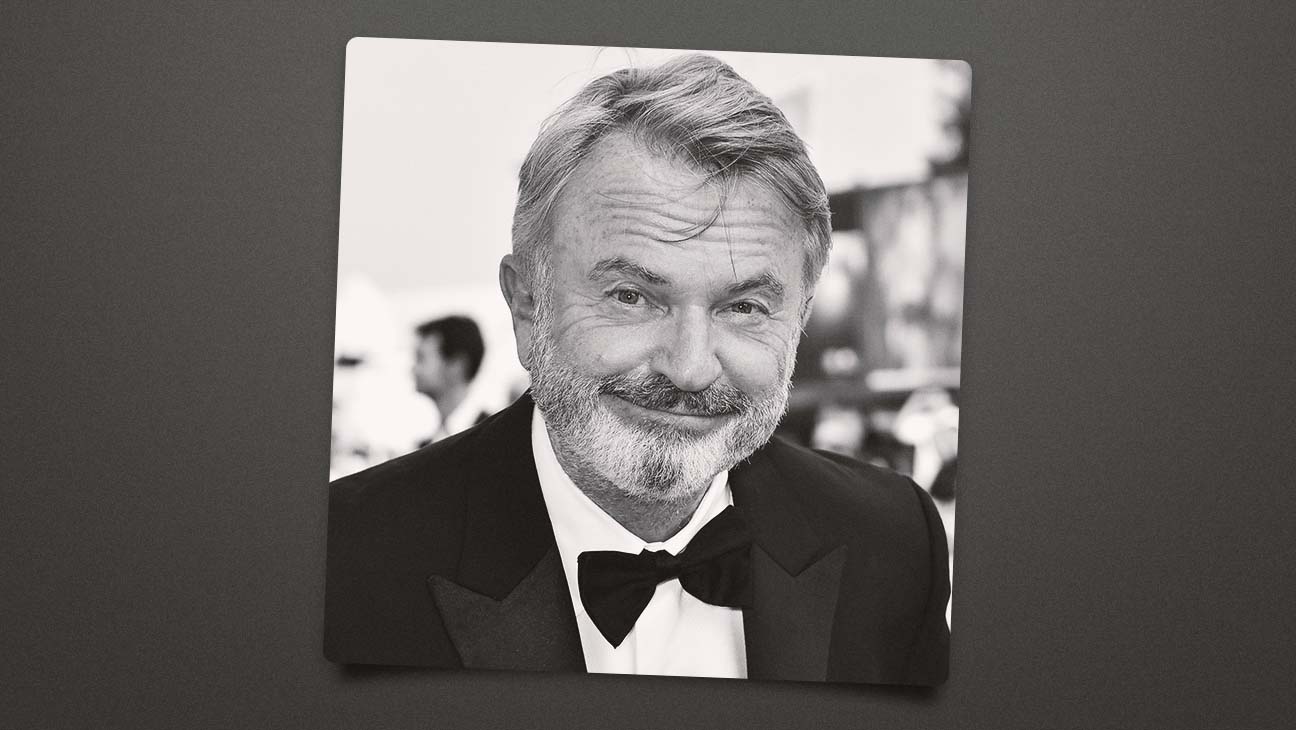

SYDNEY – Six months before he died, Sam Neill stood before cameras and announced something that seemed, by all reasonable measure, like the close of a medical ordeal that might have claimed him. The angioimmunoblastic T-cell lymphoma that had quietly progressed through his blood was gone. He said it in April 2026, after more than a year of chemotherapy and experimental treatment. Three months later, on July 13, his family confirmed his death in Sydney at 78. The loss, they said, was “sudden and unexpected.”
The New Zealand actor who gave Dr. Alan Grant his wry, reluctant gravity in Steven Spielberg’s Jurassic Park died on Monday. His family’s statement said he “was surrounded by family and passed with the dignity that has characterised his whole life.”
Neill was born Nigel John Dermot Neill on September 14, 1947, in Omagh, Northern Ireland. His family emigrated to New Zealand when he was seven, and it was there that he came of age as an actor. He made his feature debut in Sleeping Dogs in 1977 and followed it two years later with My Brilliant Career, Gillian Armstrong’s Australian period drama that brought him wider international attention. The path from those early roles to Spielberg’s blockbuster ran through a decade of creditable work in British television and Australian cinema.
Jurassic Park, released in 1993, transformed him into a face that entire generations would recognize on sight. His Dr. Alan Grant, a paleontologist who distrusted children and preferred the company of fossils, became a character the franchise revisited without finding an adequate replacement. Neill reprised the role in Jurassic Park III in 2001 and returned in 2022’s Jurassic World Dominion, closing a loop that ran nearly three decades. When Spielberg first cast the film, Harrison Ford had already turned down the Alan Grant role, a fact Spielberg confirmed publicly just weeks ago.
The same year brought The Piano, Jane Campion’s landmark film in which Neill played Alisdair Stewart, a cold colonial husband who marries a mute pianist and cannot reach her. The performance asked something entirely different of him: stillness, thwarted feeling, a frustration too contained to break the surface. Few actors had two major films in a single year that demanded opposite qualities. In 1993, Neill delivered on both counts.
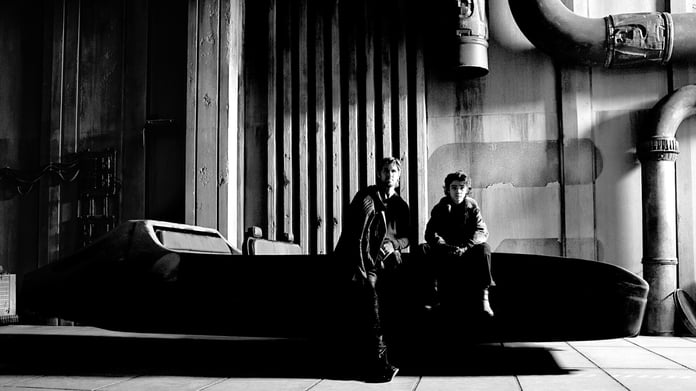
Event Horizon in 1997 gave him a vehicle for something stranger, a science fiction horror film with a devoted cult following that cast him as a physicist descending into unnameable territory. His Chester Campbell in Peaky Blinders was a figure of cold institutional menace, played with an Ulster accent that recalled his Northern Irish birthplace. Taika Waititi’s Hunt for the Wilderpeople in 2016, a New Zealand film that travelled far beyond its home country, offered something warmer: a comic performance as an unwilling foster guardian that earned him a New Zealand Film and Television Award nomination. In 2024, he appeared in Apples Never Fall, the television adaptation of Liane Moriarty’s novel.
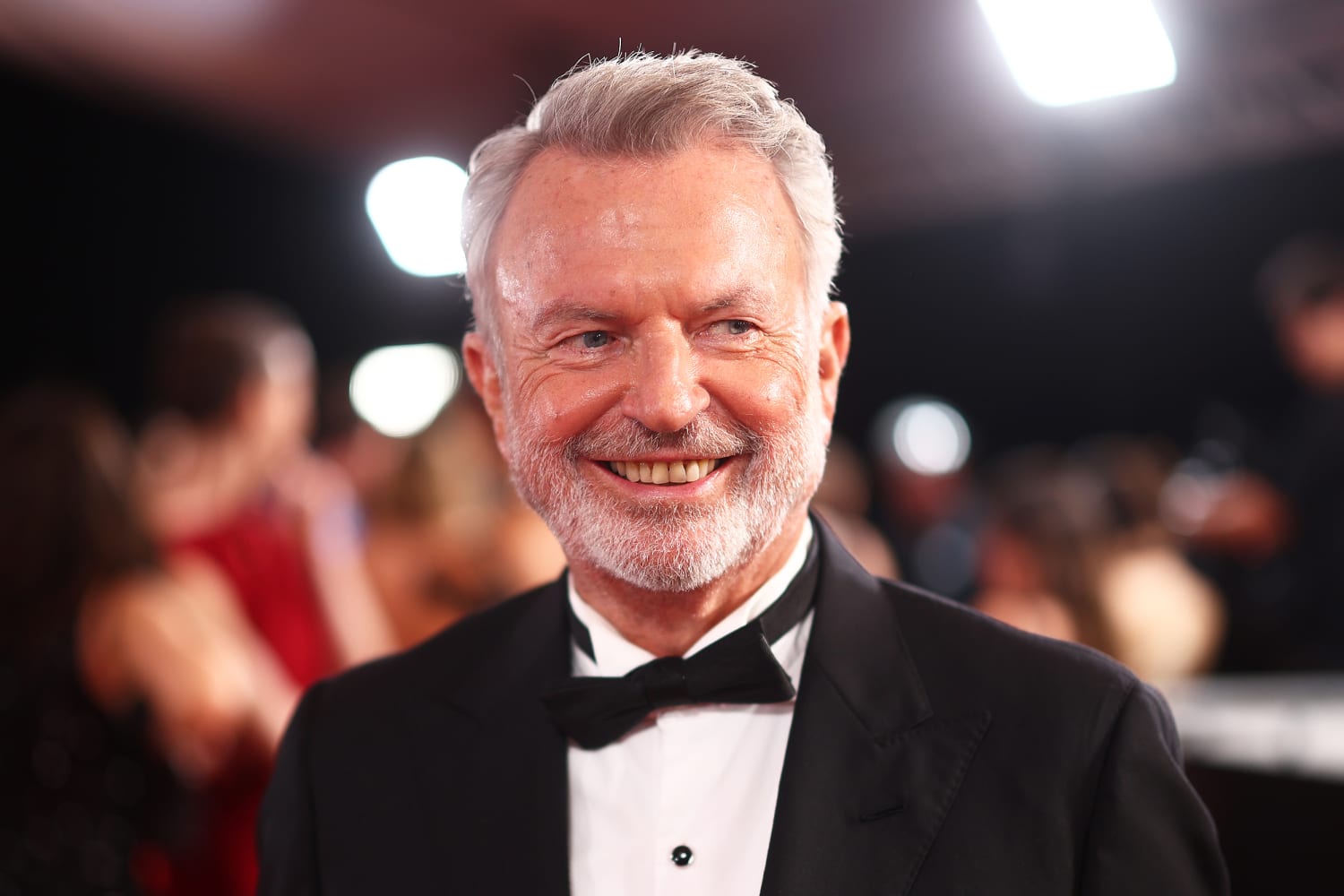
In March 2023, he disclosed the diagnosis. The cancer, stage three angioimmunoblastic T-cell lymphoma, had been advancing for roughly a year before he spoke about it publicly. He wrote about the experience in his memoir, describing what it felt like to navigate serious illness while remaining a visible public figure. The treatment worked. By April 2026, according to The Hollywood Reporter, he had declared himself cancer-free following experimental treatment.
His family’s statement offered no medical explanation for his death. What it gave instead was an image: a man surrounded by those who mattered to him, in the city where he spent his final years.
Neill was twice married: to Lisa Harrow from 1984 to 1989, and to Noriko Watanabe from 1989 to 2017. He is survived by three children, Andrew, Tim, and Elena, and six grandchildren. His partner at the time of his death was Laura Tingle, a political journalist with the Australian Broadcasting Corporation. He founded Two Paddocks vineyard in Central Otago, New Zealand, in 1983, a project he continued alongside his acting career for more than forty years. He was knighted in 2022.
“I’d like to think I’m able to suggest ambiguities and complexities in the people I play,” he said in a recent interview cited by The Hollywood Reporter, “because I think all of us have hidden aspects or contradictory qualities.”
What the immediate cause of his death was, in any medical sense, has not been made public. His family has not elaborated beyond the statement they issued on Monday from Sydney. A career that spanned five decades left, in its wake, a body of work that holds up better than most: from New Zealand’s colonial past to Patagonia’s fossil beds, from Birmingham’s criminal underworld to the reanimated nightmare of a theme park where the gates should never have opened, a range that few of his generation matched and none quite replicated.
Related Posts