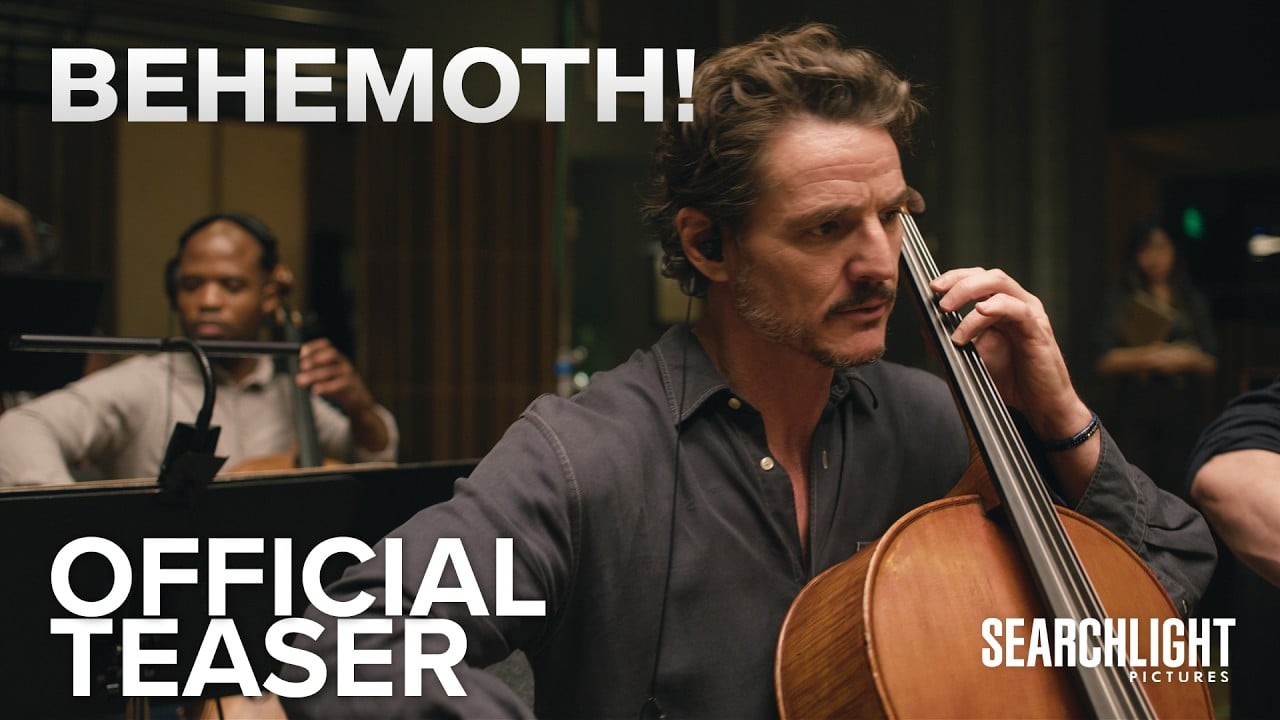

LOS ANGELES – The trailer opens on a cello.
Not on Pedro Pascal’s face, not on an establishing shot of Los Angeles, not on a title card announcing that Tony Gilroy is back. Just the instrument, and a man who may or may not know anyone is watching. Four seconds of strings, then a cut, then the film Searchlight Pictures has been developing quietly for the better part of three years begins to show itself. Behemoth!, arriving in theaters on December 4, 2026, is Gilroy’s first feature film since The Bourne Legacy in 2012 – fourteen years during which he wrote Rogue One, reworked its production, and built Andor, the Star Wars prequel series widely regarded as the most ambitious storytelling the franchise has attempted.
None of that prepared the industry for this.
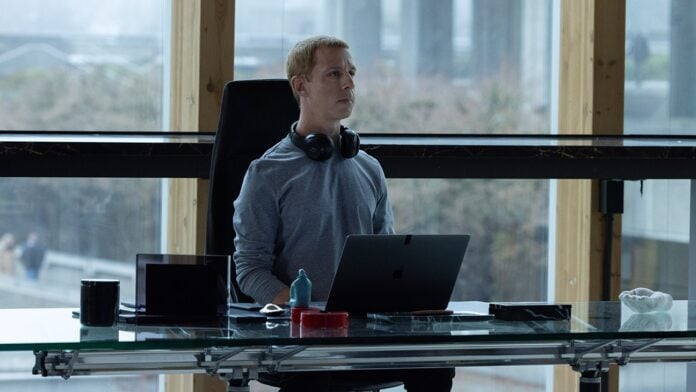
Pascal plays Alex Serian, a gifted cellist who returns to his family in Los Angeles after twenty years on the road. The premise is quiet, almost deliberately underpowered for a studio trailer. What the footage suggests is that Gilroy is using music structurally rather than decoratively – fragments of Alex’s life unspool across the full span of those two decades in what appears to be less a flashback structure than a sustained interweaving, the instrument carrying the character through time the way memory actually works rather than the way films typically render it. Pascal, by multiple accounts, spent significant months training on cello before production began, and several shots in the trailer show him playing in ways that are difficult to fake at that angle and at that proximity.
The film’s origins were more turbulent than the trailer implies. Behemoth! was originally developed with Oscar Isaac in the lead role. When Isaac exited the project, Pascal – who had just completed the theatrical run of The Mandalorian and Grogu, the Star Wars film that topped Memorial Day weekend – stepped in, a casting change that was apparently substantial enough to require reconceiving parts of the character. David Harbour was also attached before Will Arnett joined the film in January 2026 to take a role reworked following Harbour’s departure.
The cast as it stands is notable: Olivia Wilde, Eva Victor, Arnett, Hank Azaria, JoBeth Williams, Margarita Levieva, Erik Griffin, Alexa Swinton, and Kaya Ralls. The ensemble quality suggests Gilroy structured the script the way he structures television – with parallel figures whose relationship to the central character shifts as the timeline moves. Whether that holds up over a feature-length form is precisely the kind of question that will not be answered until a premiere, which Searchlight has not yet announced.
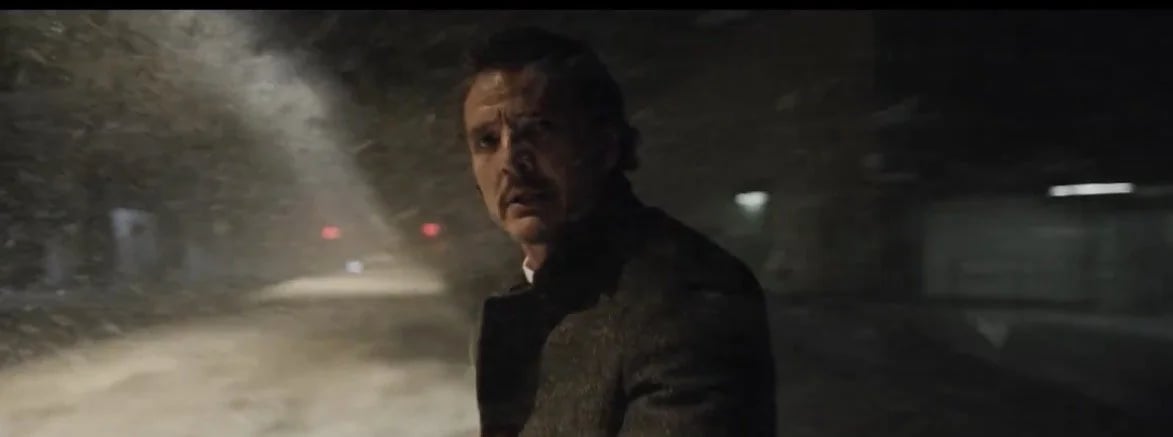
The score may be the most unusual element of the entire production. The Behemoth! Collective – the name attached to the film’s music – is not a single composer or a duo working in tandem. It is nine: Michael Abels, Emily Bear, Lukas Frank, Michael Giacchino, James Newton Howard, Henry Jackman, Nami Melumad, Brandon Roberts, and Alan Silvestri. That list runs from Giacchino, who won an Academy Award for Up, to Silvestri, who scored the Avengers films; from Newton Howard, who has scored everything from The Dark Knight to Fantastic Beasts, to Bear, one of the youngest composers working at that level. The decision to credit all nine under a collective title rather than assigning sections implies the score is intended to feel like a single continuous musical world – an engineering achievement as much as a creative one.
Early trade coverage has reached for Maestro and Tár as comparison points, and the surface similarity is clear – music drama, serious actors, awards corridor release. But both of those films were biopics; Behemoth! is a story about a single fictional cellist and what returning home does to a person who has spent most of their adult life refusing to. The discipline is the frame, not the subject. IndieWire noted the film “feels like a meeting” of the two, but the structure Gilroy is describing – music carrying the narrative rather than illustrating it – is something different from either.
Gilroy produced the film alongside Sanne Wohlenberg and his brother John Gilroy, who has edited most of his features. The production’s long gestation – roughly three years, with a casting reconfiguration midway through – is consistent with the kind of project a director builds between other commitments rather than as a quick follow-up to a television run. The December 4 release date places it nine weeks before Academy Award voting opens, in the corridor Searchlight has used for its strongest awards plays of the past decade. The studio’s most recent film at that positioning was Poor Things.
What remains unresolved is whether the cello training, nine composers, and casting switches produced a coherent film or a complicated one. Behemoth! has not announced a festival premiere, which means the first critical or public response will come when Searchlight decides it is ready. Avengers: Doomsday is scheduled for December 18, two weeks after Gilroy’s film, placing Behemoth! between IMAX spectacle and the holiday calendar – a position that could concentrate awards attention or dilute it. The trailer, precise and controlled, reveals very little about how the story resolves. The difference between those two readings will probably become clear in October.