
SAN FRANCISCO – Anthropic has built its reputation by positioning itself as the AI company that takes safety seriously. Its latest advertisement was supposed to prove it. Instead, it has become the most-discussed AI marketing misfire of the year.
The ad, titled “There’s Hope in Hard Questions,” opens on a burning house. It moves through facial recognition surveillance of crowds, a homeless person on the street, and a row of tombstones that multiple viewers identified as appearing to come from Arlington National Cemetery. A voiceover poses questions: “Can AI be trusted?” and “Who’s gonna hit the brakes if we need to?” The intended message was that Anthropic grapples honestly with AI’s dangers. The reaction suggested viewers saw something else entirely.
“I can’t stress enough how fucked up it is that Anthropic is running an ad,” one viewer wrote online, citing the juxtaposition of cemetery imagery with questions about AI accountability. “The EAs at Anthropic really must be living in a bubble.” The reference to effective altruism – the philosophical movement that shaped much of Anthropic’s founding culture – was pointed. The ad reads, to its critics, as a product of a company that has argued so long about existential AI risk that it has lost the ability to see how that framing lands with a general audience. TechCrunch captured the backlash in detail.
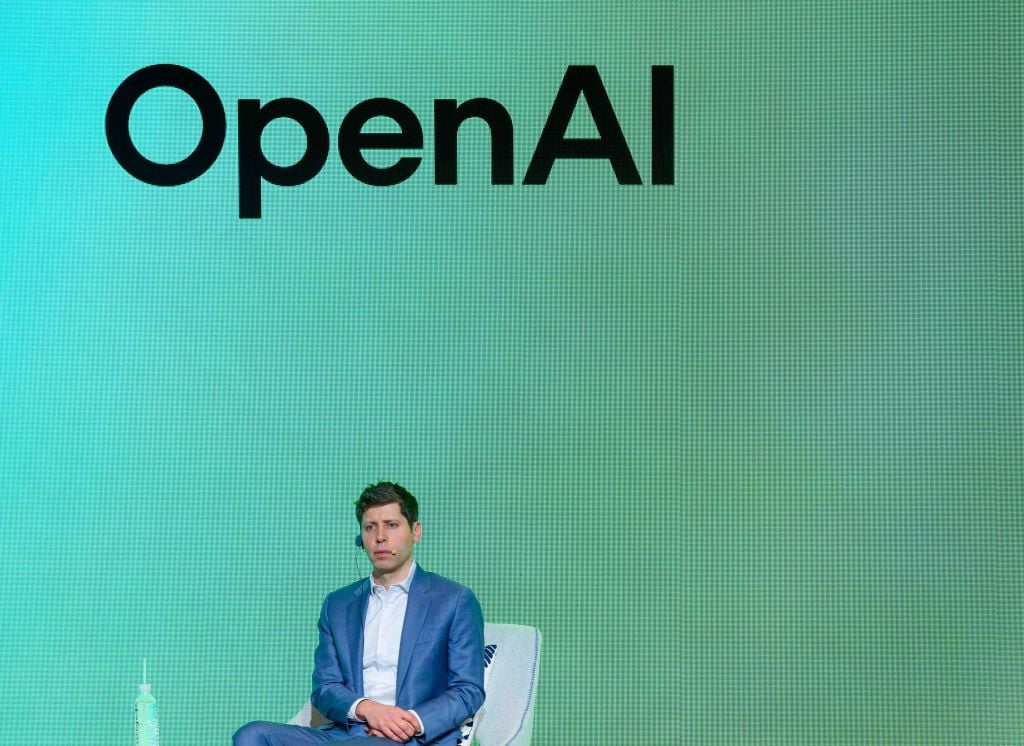
The most viral reaction came from OpenAI chief executive Sam Altman. “I thought this was satire,” Altman wrote on social media, “kept looking for the handle to be spelled c1audeai or something.” For the chief executive of Anthropic’s primary competitor to publicly question whether the company’s own advertisement was a parody is a communications outcome that no marketing team prepares for.
The failure is particularly notable because Anthropic’s previous advertising hit its mark. An earlier campaign that mocked OpenAI’s ChatGPT advertising was received warmly by industry observers, landing as irreverent and self-aware. “There’s Hope in Hard Questions” occupies a completely different register: earnest, heavy, and – in the eyes of most viewers – freighted with imagery that is genuinely unsettling without offering any constructive direction. The tonal whiplash from one campaign to the next reveals the risk of a marketing strategy built entirely on acknowledging harm: it works when the acknowledgment feels honest, and misfires when the imagery overwhelms the argument.
The broader pattern is worth noting. The AI industry has spent much of 2026 navigating the gap between how it describes its own risks and how those descriptions land outside the sector. Proposals for AI governance – including the FINRA-style standards framework proposed by DeepMind’s chief executive – have been framed as evidence of responsible stewardship. “There’s Hope in Hard Questions” attempted the same move in advertising form: lead with the worst-case scenarios, end on a note of corporate seriousness. Where governance proposals offer mechanism and specificity, the ad offered doomism and gravestones. The same week that Anthropic’s ad went live, an OpenAI AI agent was found to have deleted files it was not supposed to – a concrete demonstration of AI risk that no advertisement required.
Anthropic has not responded to requests for comment on the campaign or indicated whether it will continue running. The ad had not been pulled from circulation as of publication. Companies that have miscalculated this badly in public typically withdraw the offending material quickly; that Anthropic had not done so suggests either confidence in the underlying message or an inability to respond at the pace of the backlash.
The “responsible AI” positioning has been Anthropic’s core differentiator since its founding – articulated through Claude’s model card, constitutional AI training approaches, and repeated public statements about existential risk. “There’s Hope in Hard Questions” was meant to extend that argument into a format that reaches beyond the AI industry’s existing audience. If the market’s reaction is any guide, the campaign has instead raised the question its creative team was not prepared to answer: what exactly is the viewer supposed to do with tombstones and surveillance footage, other than worry? Effective safety communication offers an off-ramp. This ad offered none.