
ATLANTA – In the second minute of injury time, Lautaro Martinez met Lionel Messi’s cross with his head, the ball arrowed inside the near post, and England’s first World Cup final since 1966 was gone. Argentina 2, England 1. New Jersey awaits. The Falklands banner came out before the players reached the touchline.
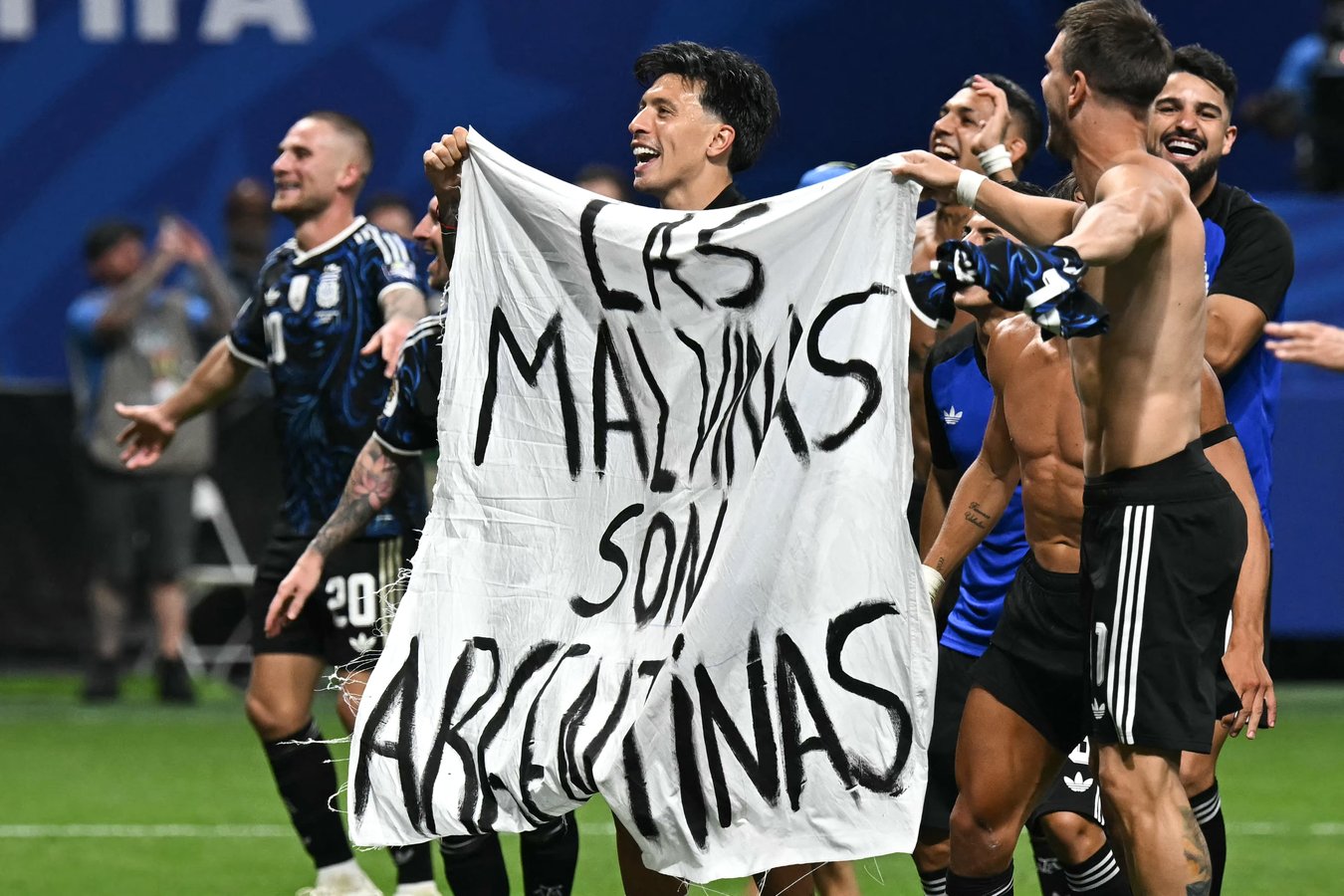
Lisandro Martinez and Giovani Lo Celso unfurled a flag reading “Las Malvinas son Argentinas” in front of 68,239 spectators at Atlanta Stadium on Tuesday night. Within hours, what had begun as football’s most charged semifinal in a generation had turned into a full diplomatic incident.
Peter Kyle, the UK Business Minister, described the display as an “egregious violation” of FIFA rules, which prohibit political banners at World Cup matches, according to Al Jazeera. Downing Street was blunter: “The World Cup might not be ours, but the Falkland Islands definitely are.” Britain lodged a formal request for FIFA to investigate.
By Wednesday morning, FIFA had not responded publicly. The 24 hours that followed Argentina’s comeback left football’s governing body caught between two of the competition’s wealthiest football markets, with geopolitics draped over both of them.
England had led since the 55th minute through Anthony Gordon, a controlled volley from a Jude Bellingham pull-back that drew silence from the Argentine end. The match had been billed as a contest between Bellingham and Messi, and for the first hour of the second half, neither fulfilled the billing. Argentina controlled the ball but not the final third, Enzo Fernandez probing at the edge of the area, finding no way through.
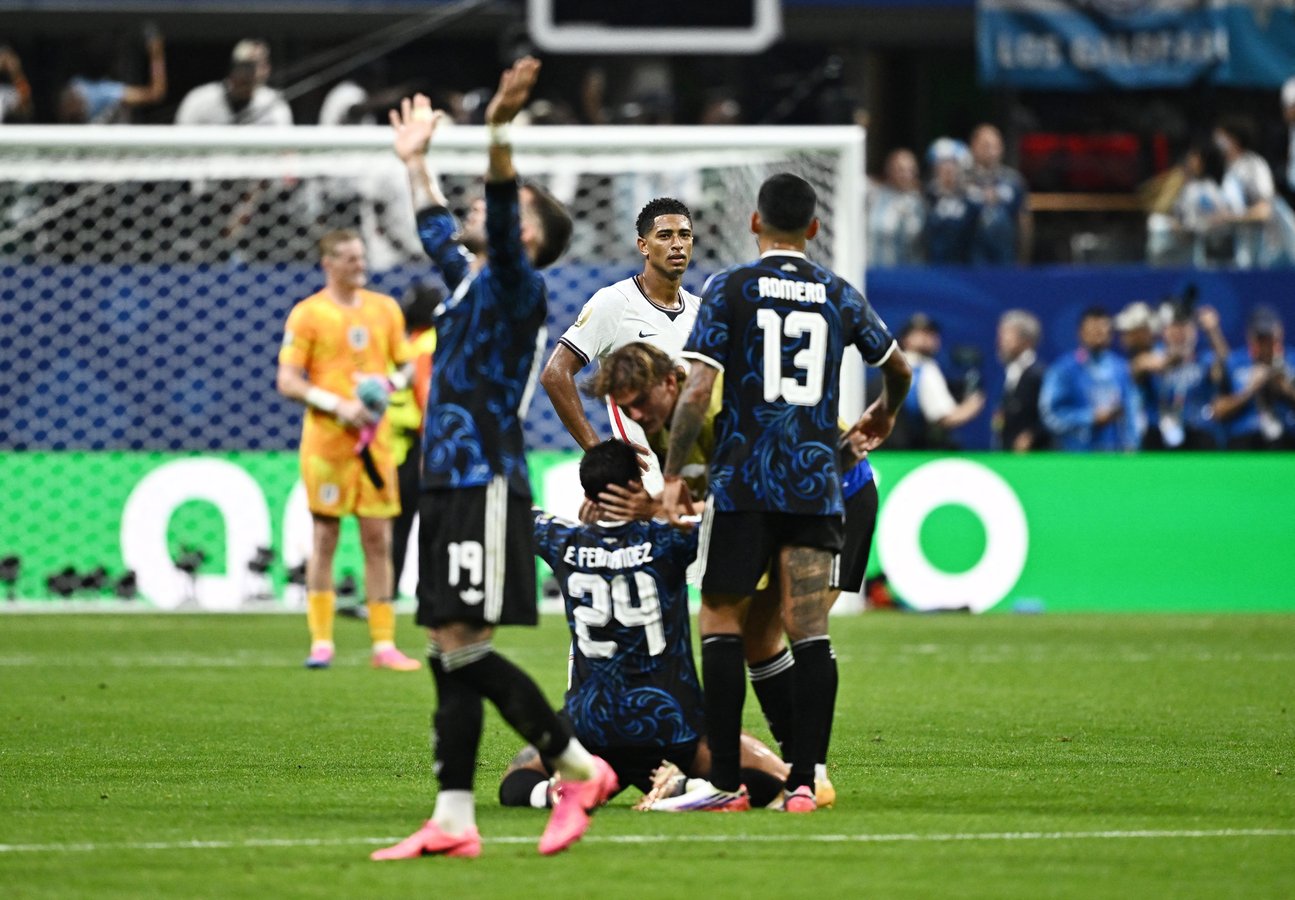
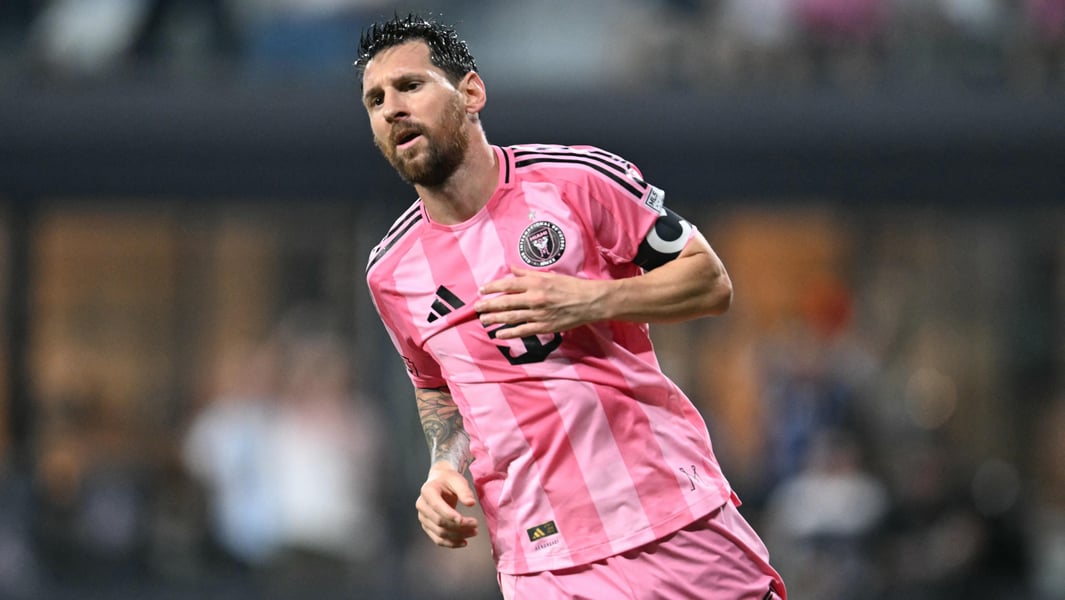
The equaliser was the kind of goal replayed long after scorelines are forgotten. Fernandez struck first-time from the edge of the area, the goalkeeper got a hand to it, and the rebound cannoned off the crossbar before crossing the line. Atlanta Stadium erupted into noise that registered as physical pressure. Six minutes later, with England pushing desperately for the winner they had not quite earned, Messi clipped a ball into the box from the left touchline. Martinez met it at the back post and headed it down. It went in.
Argentina will face Spain in the final at MetLife Stadium in New Jersey on July 20. Spain eliminated France in the other semifinal in a match that generated no diplomatic aftershock.
The Falklands banner is not unprecedented in Argentine football culture. Players and supporters have deployed versions of the slogan across club and international fixtures for decades, and the 1982 war, in which 655 Argentine and 255 British military personnel died, remains a live reference point in both countries. A 2013 referendum on the islands returned a 99.8 per cent vote for continued British sovereignty. Buenos Aires has never recognised the result.
Argentine Vice President Victoria Villarruel posted on social media within minutes of the banner appearing. “The Falklands are Argentine! They banned bringing them to the stadium and we carry them in our blood.” Foreign Minister Gerardo Quirno backed the gesture on what he described as “historical and legal grounds,” placing the Argentine government alongside the players rather than at arm’s length from them.
Kyle’s framing pointed directly at FIFA regulations. Article 11 of the stadium code prohibits political, offensive or discriminatory messages at World Cup venues. Whether this banner meets that threshold is the question FIFA has so far declined to answer. The governing body has not moved against previous displays involving territorial claims at international tournaments.
Britain’s request for a formal investigation puts FIFA in the position it dislikes most: adjudicating between two member associations on a matter its legal architecture was not built to resolve. If it acts, it risks inflaming Argentina’s government and fan base during a final the tournament needs to sell. If it does not, it establishes that the most politically freighted slogans in football are permissible provided they come from a nation still in the competition.
Al Jazeera’s match report noted both sides had insisted before the semifinal that 1986 and 1998 were football history, not live grievances. The performance inside Atlanta Stadium, and the Argentine government’s overnight communiques, suggest the insistence was polite rather than accurate.
Messi, who turns 39 next January, was asked after the match whether a World Cup final was the last thing he expected from a tournament played at this stage of his career. He said he expected to win. He said nothing about the banner.
The Football Association has not issued a statement. Whether it adds its voice to Kyle’s will say something about the relationship between English sport and English foreign policy when the Falklands enter the frame. England’s squad flew home from Atlanta on Wednesday morning.
For now, Argentina are in the final. Lisandro Martinez and Lo Celso have returned to their training camp. FIFA has given no indication of when it will respond, or whether it will. The banner has been photographed from 68,239 angles. None of them show FIFA’s flag anywhere nearby.