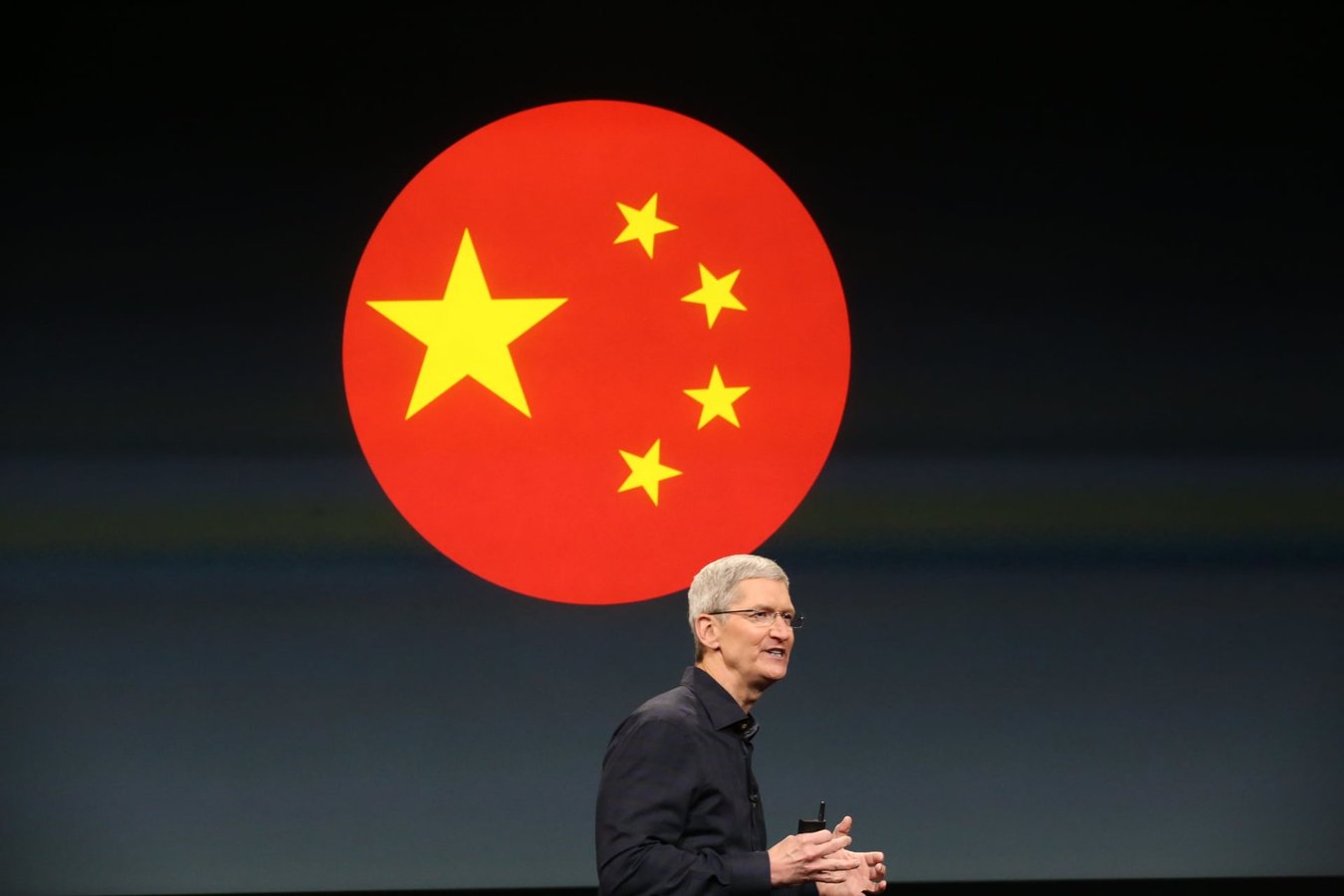

BEIJING – For the past two years, iPhone users in China have been buying the same phones as everyone else but getting a fundamentally different experience: no Writing Tools, no expanded Siri, no on-device intelligence. That ends now. China’s Cyberspace Administration has approved Apple Intelligence for the Chinese market, with Alibaba’s Qwen AI models powering the features Siri cannot do alone.
The regulatory green light, first reported by Reuters on Wednesday, allows Apple to integrate AI capabilities into iOS, iPadOS, macOS, and visionOS for mainland China users, according to TechCrunch. Alibaba’s Qwen models will handle text and image understanding and generation, the same capabilities Apple has deployed through its own and OpenAI-powered backend everywhere else. Baidu is also developing Apple Intelligence features for Chinese users, with an independent integration timeline still to be announced.
Apple’s urgency here is financial as much as it is technological. Greater China contributed $20.5 billion to Apple’s revenue in its most recent quarter, up 28 percent year-over-year, a rebound that followed aggressive discount promotions and a recovery to the No. 2 position in China’s smartphone market. AI features have become a deciding factor in purchase decisions, and Apple has been unable to offer them in its largest growth market while Huawei and homegrown rivals have shipped their own capabilities for years.
The path to this approval involved choices. Apple had rejected an integration with DeepSeek, the Chinese AI model that became a global talking point earlier this year, before settling on Alibaba’s Qwen as its primary partner. The company is also in early-stage talks to integrate models from ByteDance. The decision to work with established Chinese platforms rather than develop its own China-specific models reflects a pattern Apple has followed in other markets: in jurisdictions with strict data localization requirements, the fastest path to regulatory approval goes through local companies.
The timing connects to what Apple is shipping elsewhere. The company released the iOS 27 public beta this month with a rebuilt Siri at its center, capable of chaining tasks across apps and handling contextual requests that earlier versions could not. The global version works through a combination of Apple’s own foundation models and a partnership with ChatGPT for more complex requests. In China, the ChatGPT layer is replaced entirely by Qwen and, when Baidu’s integration is complete, by a second domestic model. The result will be architecturally similar to global Apple Intelligence but powered by a different underlying stack.
The question that the regulatory approval leaves open is how good a Chinese Apple Intelligence will actually be. Alibaba’s Qwen models are competitive with leading Western systems on standard benchmarks, but benchmarks and consumer experience can diverge significantly. Qwen is built for Chinese language tasks, Chinese content moderation requirements, and expectations shaped by years of competing domestic AI products from Xiaomi, Huawei, and Baidu itself. Apple’s argument is that its interface design and hardware integration are distinctive enough to matter even if the underlying model is not Apple’s own. Whether iPhone buyers in Shanghai and Chengdu agree is a different question.
Apple’s AI relationships have grown complicated. The company recently filed a trade secret lawsuit against OpenAI, the same partner it uses to power Apple Intelligence features in the United States, Europe, and other markets. The China approval adds another layer: Apple is now running a multivendor AI strategy across its device ecosystem, with different models handling the same tasks in different markets. Managing that architecture, and the varying user experiences that come from it, is an operational challenge the company has not faced before at this scale.
What the approval does not answer is when Apple Intelligence will appear on Chinese iPhones, how the experience will differ from what global users get, and what the terms of Apple’s data arrangements with Alibaba look like in practice. Apple has not confirmed a launch date. It has also not disclosed what user data flows through Alibaba’s servers or under what conditions, a question that matters beyond China: in a market where domestic companies are legally required to cooperate with government data requests, how Apple characterizes the privacy protections on its China AI features will be scrutinized in every other country where it sells those devices.