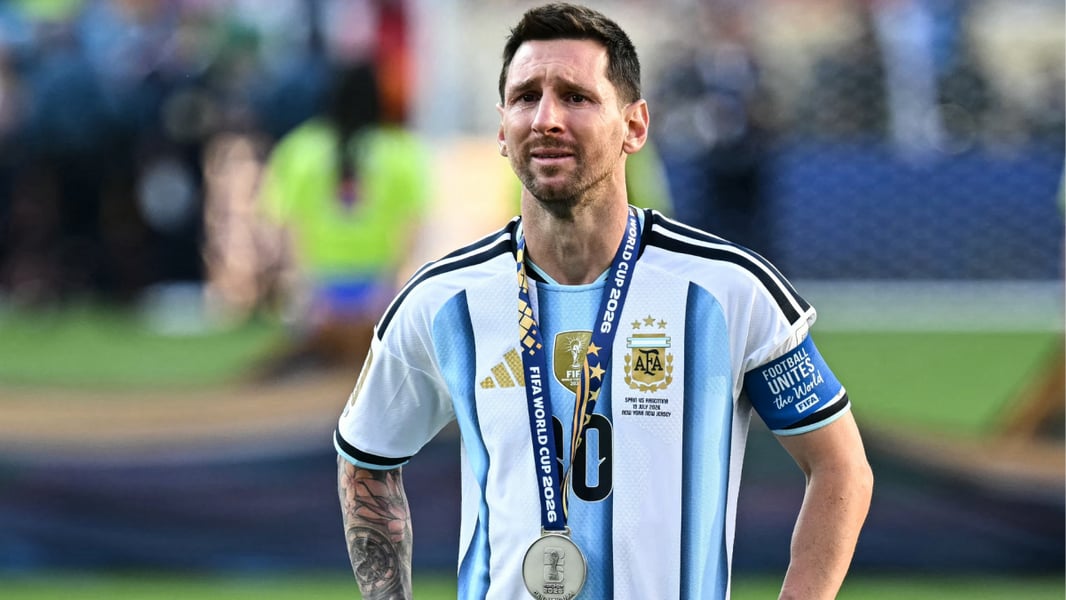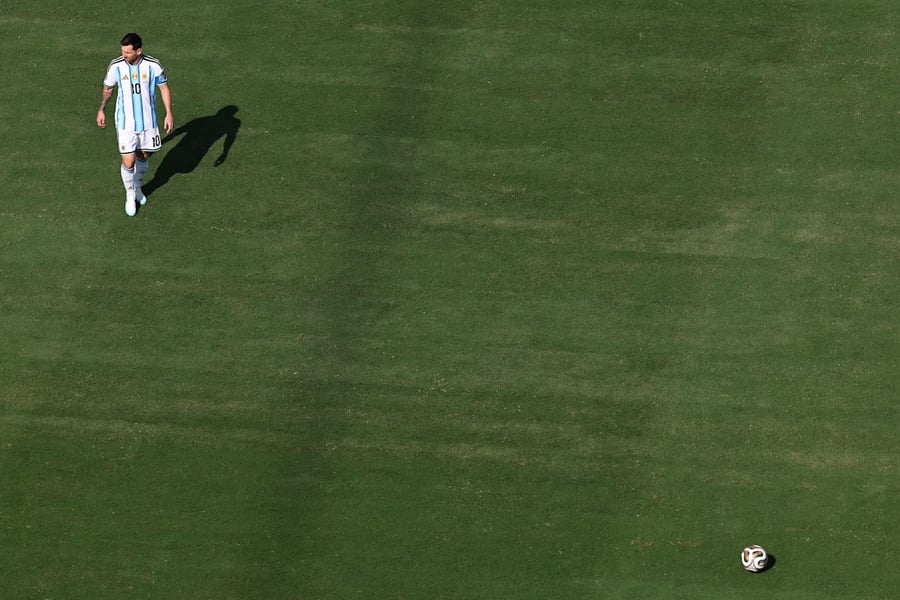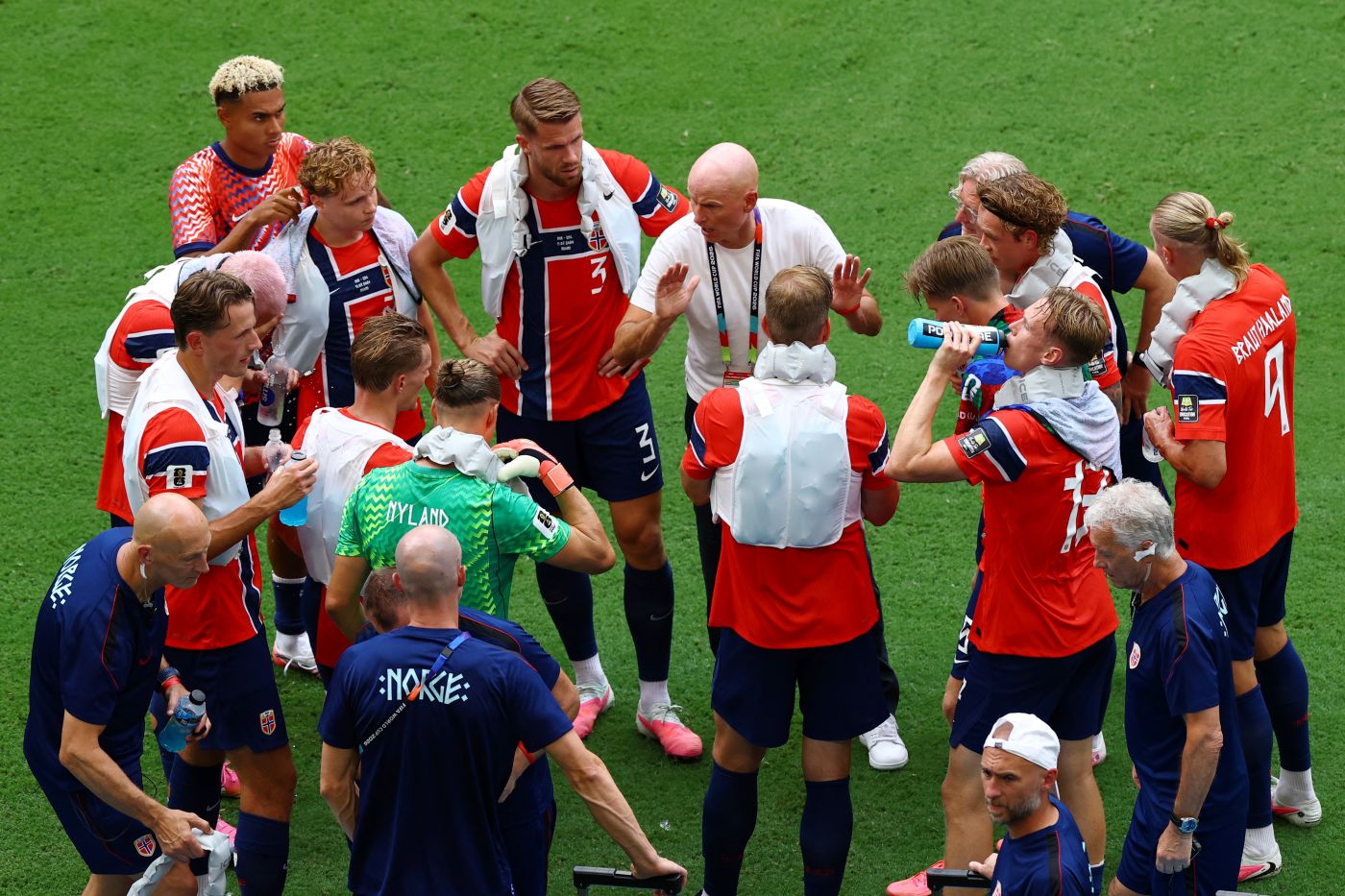

MIAMI – The mandatory three-minute hydration breaks that FIFA introduced at the 2026 World Cup may not survive the tournament that gave them a global stage. Arsene Wenger, FIFA’s chief of football development, acknowledged Friday that fans have not liked them and said the governing body will “analyse after the World Cup what is the impact.” The first time FIFA has required water breaks in every match, the rule has generated the kind of sustained criticism that, in governing body terms, amounts to an informal public verdict.
The breaks, three minutes long and mandatory midway through each half, expanded on an existing discretionary system that allowed referees to order shorter stops during exceptional heat conditions. FIFA replaced referee judgment with a fixed requirement for the 2026 tournament, covering all 104 matches across US, Canadian, and Mexican venues regardless of weather. In at least one match, the rule was applied at 16 degrees Celsius, a temperature that no analyst considered a heat risk. Players stood in cool air drinking water they did not appear to need, while the game they had been playing stopped around them.
Wenger told reporters that medical data showed no clear evidence the breaks improved player performance or competition results. What they demonstrably did, as anyone who watched a closely contested match this summer can attest, was stop a game at the exact moment when momentum was the most fragile variable on the pitch. Trailing teams reset. Coaches delivered tactical adjustments that would otherwise require a substitution. A player who had just forced three consecutive corners no longer had the advantage of a defense under pressure. The break was, for any team that needed the game to slow down, a gift delivered by the rulebook.
The criticism from commentators in the United States was particularly pointed. American sports broadcasting operates on scheduled commercial breaks, and the suspicion that FIFA’s mandatory hydration stops were engineered to accommodate television advertising, following an American model that the rest of the football world does not use, circulated widely in commentary. FIFA did not address that accusation directly. Wenger’s acknowledgment that he would examine the data after the tournament was the closest the organization came to expressing doubt about what it had built.
The pattern of conflicted messaging about heat and water at this tournament is not new. FIFA entered the 2026 World Cup having banned fans from bringing water bottles into stadiums while simultaneously introducing mandatory in-match hydration stops. The dual approach drew immediate commentary: supporters were restricted from accessing water in hot outdoor venues while match officials were required to interrupt games so players could drink. A consistent framework for heat safety was not the result.
Not every element of FIFA’s health-focused rule changes drew the same response. Wenger noted that a separate one-minute window for medical interventions on the pitch produced better outcomes, reducing the average number of stoppages from 2.3 to 1.6 per match. The reduction suggested that targeted interventions, handled efficiently within a defined time limit, did not disrupt the flow of play the way mandatory hydration breaks did. FIFA will carry that distinction into whatever review it conducts once the final whistle sounds at MetLife Stadium.
The Norway versus England match on July 11, from which an image of a hydration break on a mild evening went widely shared, became a reference point in the debate. Stale Solbakken, Norway’s coach, stood on the touchline looking at a temperature that did not justify the stoppage. Players sipped water because the rules required it. The image persisted because it captured what critics of the rule had been saying since the tournament began: that a mandatory break, applied uniformly regardless of conditions, was not a safety measure. It was a rule. England’s form in the tournament generated more headlines than the break did. The image, however, stayed.
Wenger has been precise in his language throughout the tournament, careful not to declare the experiment a failure. His phrasing has consistently centered on data collection and post-tournament analysis rather than public reversal. But “sometimes people didn’t like it, and we have to analyse after the World Cup what is the impact” is not the sentence of an official preparing to retain a rule. It is the sentence of someone managing the communication of a likely reversal with the minimum amount of institutional embarrassment.
What the data will show, when FIFA’s analysts compile it, is not yet public. Whether any particular match was demonstrably changed by a break, which side benefited more in aggregate across the tournament, and whether mandatory stops measurably reduced heat-related medical incidents remain questions that Wenger’s statement Friday carefully did not answer. He said FIFA will get “one conclusion” after gathering the data. Whether that conclusion actually changes the rules for the next major tournament, or whether it will be filed, noted, and quietly shelved, is the question the 2026 World Cup will leave behind for the sport to answer.
Related Posts