
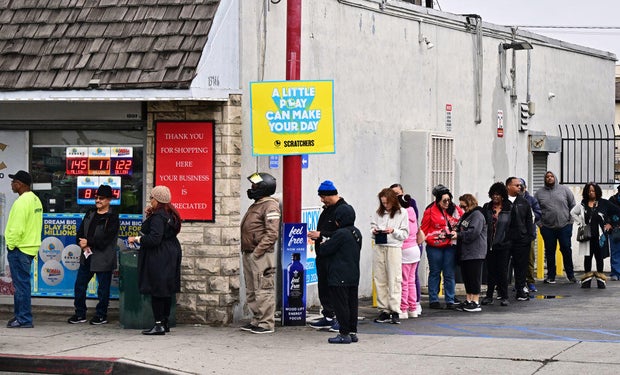
PALMDALE, Calif. – The Alrabadi Gas and Mini Mark on East Palmdale Boulevard will collect $36,500 from the state for selling one lottery ticket. The ticket matched all five white balls in Tuesday night’s Mega Millions drawing but not the Mega Ball, and it pays $7.3 million, making it the second-largest second-place prize in the lottery’s history since 2014.
The winning numbers from the July 22 drawing were 25, 37, 59, 68 and 70. The Mega Ball was 10. No ticket in the United States matched all six numbers, which meant the jackpot carried over. For Friday’s drawing, the Mega Millions prize stood at an estimated $743 million, with a cash option of approximately $323 million.
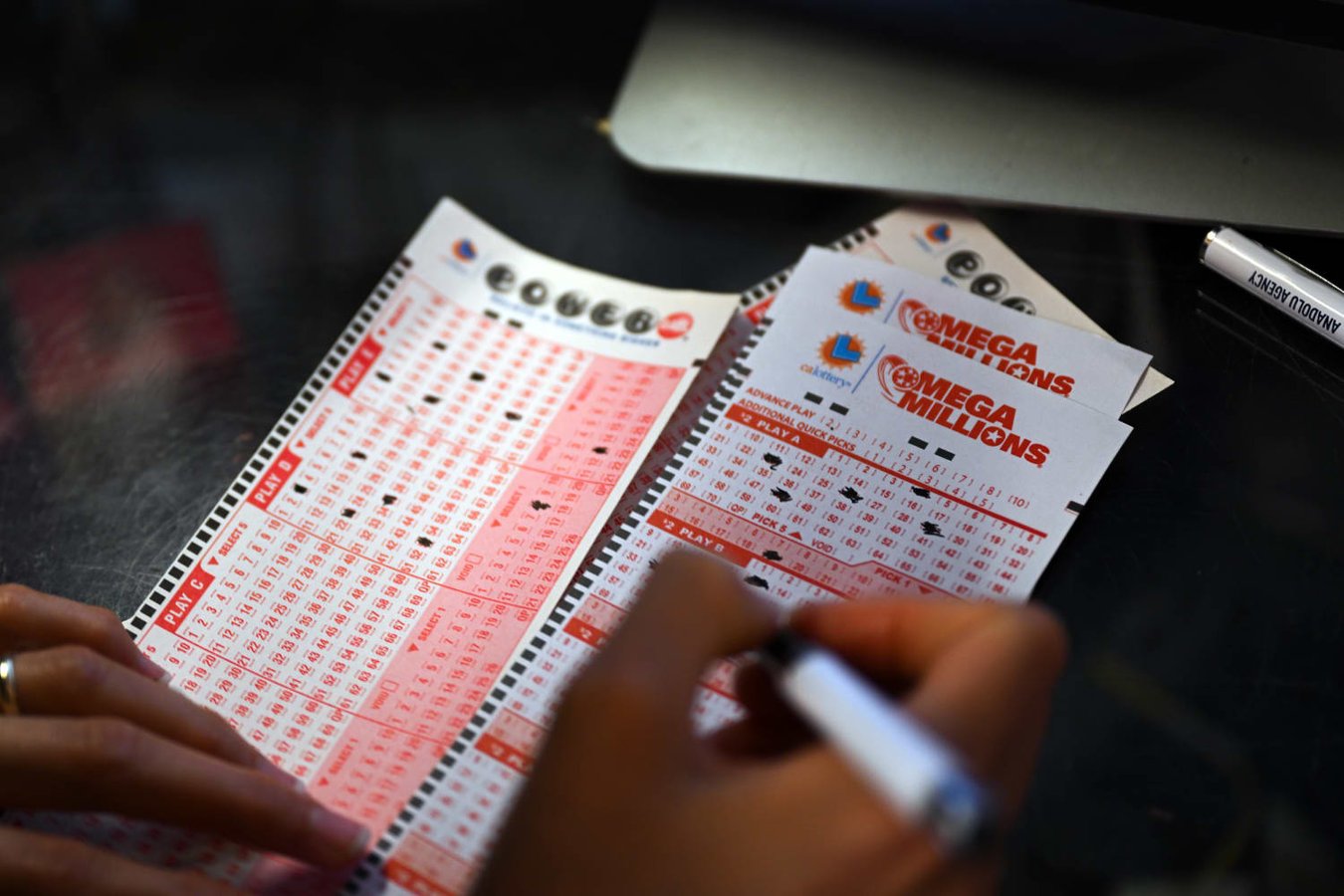
The $7.3 million prize for the Palmdale ticket represents a substantial multiplier on the standard second-place payout. Under base Mega Millions rules, a ticket that matches all five white balls but misses the Mega Ball wins $1 million. The Megaplier option, available at additional cost when purchasing a ticket, multiplies non-jackpot prizes by a number randomly selected at each drawing. The Palmdale ticket’s prize strongly suggests the holder purchased the Megaplier add-on and benefited from a high multiplier being drawn that night.
The store at 2680 East Palmdale Boulevard is a gas station and convenience market in Los Angeles County, in the Antelope Valley area of Southern California. California requires public identification of retailers when a significant lottery prize is traced to their location. The $36,500 bonus is a standard commission the California Lottery pays to retailers who sell major winning tickets.
No winner had come forward publicly as of Friday. California allows lottery winners to claim prizes anonymously, and the state does not require disclosure of the ticket holder’s identity, so the $7.3 million prize may be collected without the public ever knowing who held the ticket. There is typically a gap of days or weeks between the sale of a major winning ticket and the moment the holder steps forward to claim it at a California Lottery district office.
The Palmdale prize comes during a sustained Mega Millions jackpot run. The top prize has grown through multiple consecutive drawings without a jackpot match, building toward a sum that now ranks among the largest active lottery prizes in the United States. The $743 million jackpot for Friday would be one of the ten largest in Mega Millions history if a single ticket claimed the full prize.
Second-place prizes at this scale are historically rare. The California Lottery described the Palmdale ticket as the second-largest second-place prize in Mega Millions history since 2014. Under standard rules, the gap between a $1 million second-place prize and the jackpot is enormous; the Megaplier compresses that gap only modestly in most drawings. A multiplier large enough to push a second-place prize past $7 million is the exception rather than the rule in the lottery’s history.
The July 22 drawing also produced winning tickets at smaller prize tiers. Match 4 tickets, Match 3 tickets, and Match 2 plus Mega Ball tickets each carry their own fixed payouts. Those did not draw the same attention as the Palmdale ticket, because none approached the threshold at which a lottery prize becomes news in its own right.
CBS Los Angeles confirmed the winning ticket location and the $36,500 retailer bonus, identifying the Alrabadi Gas and Mini Mark and noting the historical context of the payout as a second-place prize in Mega Millions history.
The Megaplier mechanism that most likely explains the Palmdale prize is a feature of Mega Millions most players purchase without expecting it to matter significantly. At typical jackpot sizes, the gap between a $1 million second-place prize and a boosted version of the same win feels like a rounding error. At this point in the drawing sequence, with a jackpot approaching three-quarters of a billion dollars generating national interest, the Megaplier delivered a different result for whoever is holding the ticket sold at the East Palmdale Boulevard gas station on a Tuesday night in July.
What happens with Friday’s $743 million jackpot will determine whether the Palmdale ticket remains the central lottery story of this drawing cycle. If a jackpot winner emerges, the sequence resets and the $7.3 million second-place prize becomes a footnote to a larger payout. If no ticket matches all six numbers again, the prize continues its climb, and the gas station on East Palmdale Boulevard retains its place in a lottery run still looking for its final act.