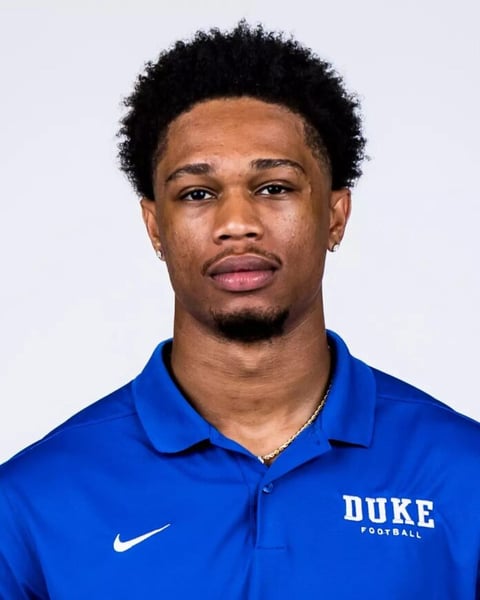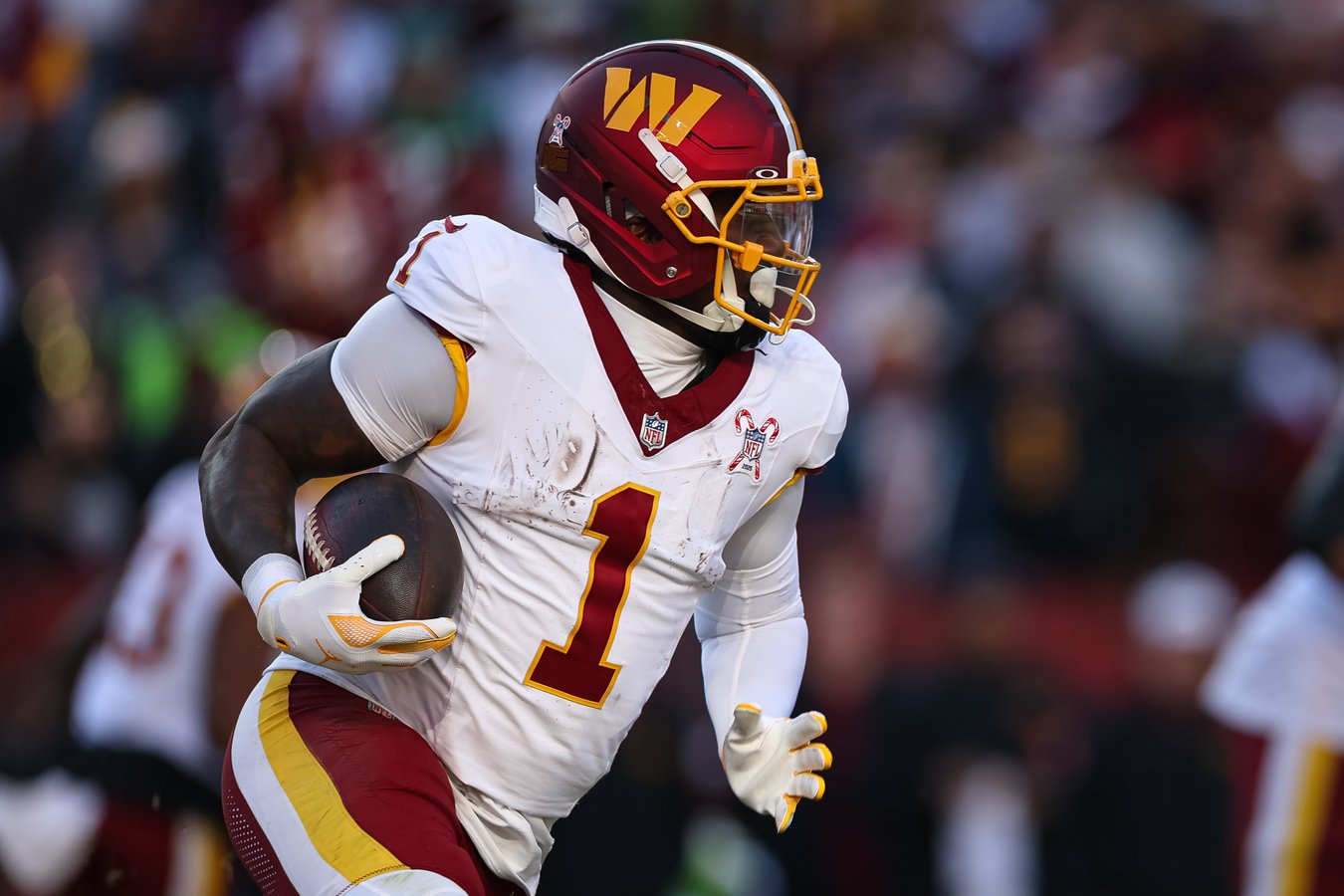

ASHBURN – Two days before his tight ends group reported for the first practice of Washington Commanders training camp, Ben Steele no longer had a job. The Commanders announced Sunday that they had parted ways with their tight ends coach for violating team policy, giving a minimal public explanation for a dismissal whose timing, on the eve of one of the most consequential stretches of an NFL season, was itself the sharpest signal available.
Virginia court records tell a portion of the story. On June 7, Steele was charged with driving while impaired in Loudoun County, a northern Virginia jurisdiction about 35 miles from the Commanders’ Ashburn facility. Court documents listed additional charges of obstruction or resisting without force and refusing a blood or breathalyzer test. Those charges represent allegations, not convictions, and the outcome of those proceedings remains pending as of Sunday.
NBC Sports reported that Washington said it had no further comment on the decision. Head coach Dan Quinn was set to address reporters at his opening training camp press conference on Monday, the day Steele would have been working the first of dozens of practice sessions with a position group that figures prominently in the Commanders’ 2026 offensive design.
What the Commanders did not explain was the timeline. The Loudoun County charges were filed on June 7. The announcement of Steele’s dismissal came July 27. The seven-week gap between those two dates invites the question of when team officials learned of the arrest, what internal process produced a Sunday announcement rather than an earlier one, and whether circumstances beyond the June charge factored into the organization’s deliberation.
NFL teams maintain legal monitoring services and conduct protocols precisely for situations like this one. Whether Washington was conducting its own review, awaiting additional information, or managing competing considerations has not been disclosed. The organization’s silence on the interval is itself unusual in a league where franchises typically move quickly once a decision to dismiss a staff member has been made.
Steele, 48, came to the Commanders after a coaching career that tracked its way through 18 years and nearly every level of professional football. He began as an offensive assistant at Mesa State in 2008, moved through Colorado and California as an assistant, and got his first position-level assignment at UC Davis in 2013 as tight ends coach and recruiting coordinator. The Tampa Bay Buccaneers brought him to the NFL in 2014 as an offensive quality control coach; by 2017 he had earned a promotion to the Buccaneers’ tight ends coach. Two seasons with the Atlanta Falcons followed, first as an offensive assistant and then as tight ends coach. His path continued through Minnesota and Denver as an assistant offensive line coach before a full season in 2023 with the Arizona Cardinals as their tight ends coach, the role that positioned him for the Washington offer this offseason.
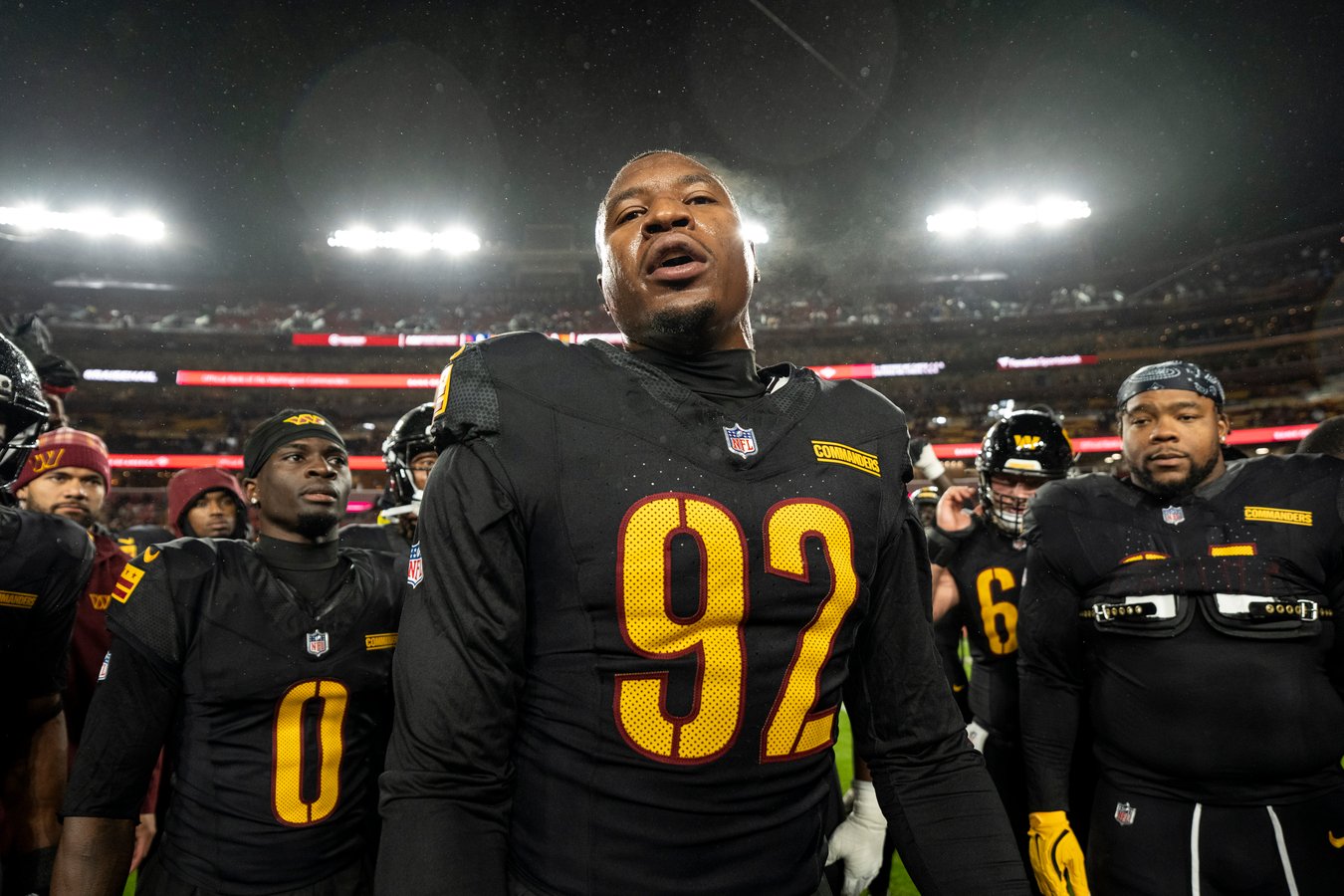
He joined the Commanders when David Raih, who had held the tight ends coaching position, was promoted to pass game coordinator. Steele was brought in as Raih’s replacement in a standard staff transition that became less routine by Sunday afternoon. The 2026 NFL schedule placed the Commanders in several prime-time windows, adding weight to every personnel and staffing call Washington would make heading into the season. Steele leaves without having run a single Washington practice.
The vacancy arrives at a difficult moment. The Commanders’ tight ends group is heading into a season with elevated expectations, and position coaches carry significant responsibilities from the first days of camp, when installation of plays, assignments, and adjustments forms the foundation of a unit’s work through the regular season. Whether Washington promotes from within its existing staff or begins an external search for a replacement has not been indicated, and neither option resolves cleanly when practice begins Monday morning.
NFL franchises have moved with increasing decisiveness in recent years on off-field conduct before cases reach legal resolution, typically citing internal team policy language in announcements rather than specific legal findings. The approach reflects a combination of factors: the speed with which charges become public, legal and public-relations counsel oriented toward preemptive action, and an organizational preference for controlling the narrative before it is controlled by others. Steele’s dismissal fits that pattern structurally, even if the timeline in his case was longer than what that pattern typically produces.
What remains unanswered, and what Dan Quinn will face at Monday’s press conference, is not just who replaces Steele in practice but what the Commanders knew about the June charges and when. The organization issued a statement focused entirely on the outcome and declined to address the process. Steele’s DUI case remains unresolved in court, and the precise conduct that triggered the “team policy violation” designation has not been identified. The answers to both questions are likely to shape how this dismissal is ultimately understood.