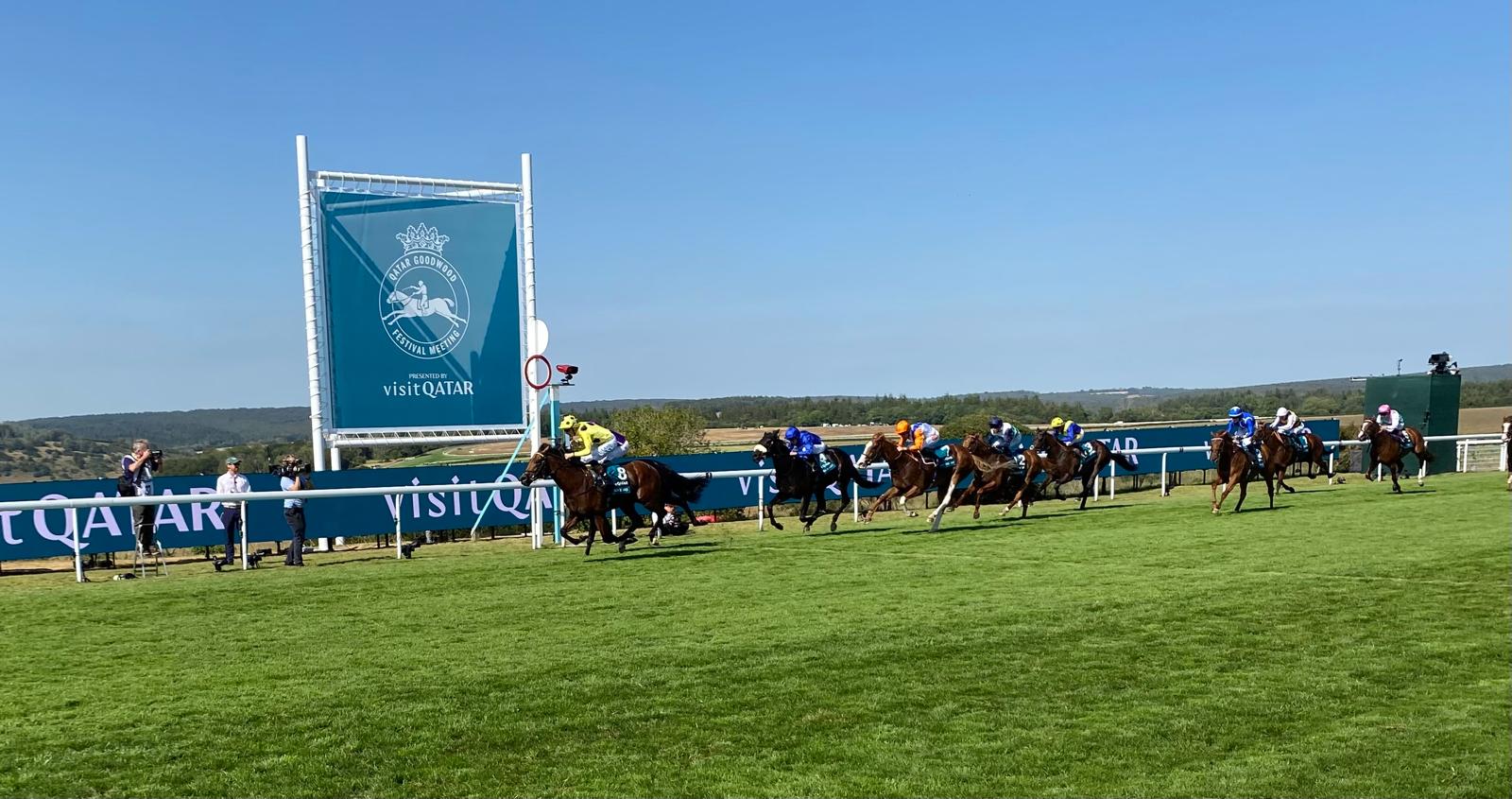

GOODWOOD, England – For most of the final straight at Goodwood on Wednesday, Billy Loughnane had nowhere to go. Bow Echo was boxed in, hemmed between rivals in a twelve-runner field, and the milers’ triple crown, three Group 1 victories across a single English flat season, waited somewhere on the other side of that wall of horseflesh.
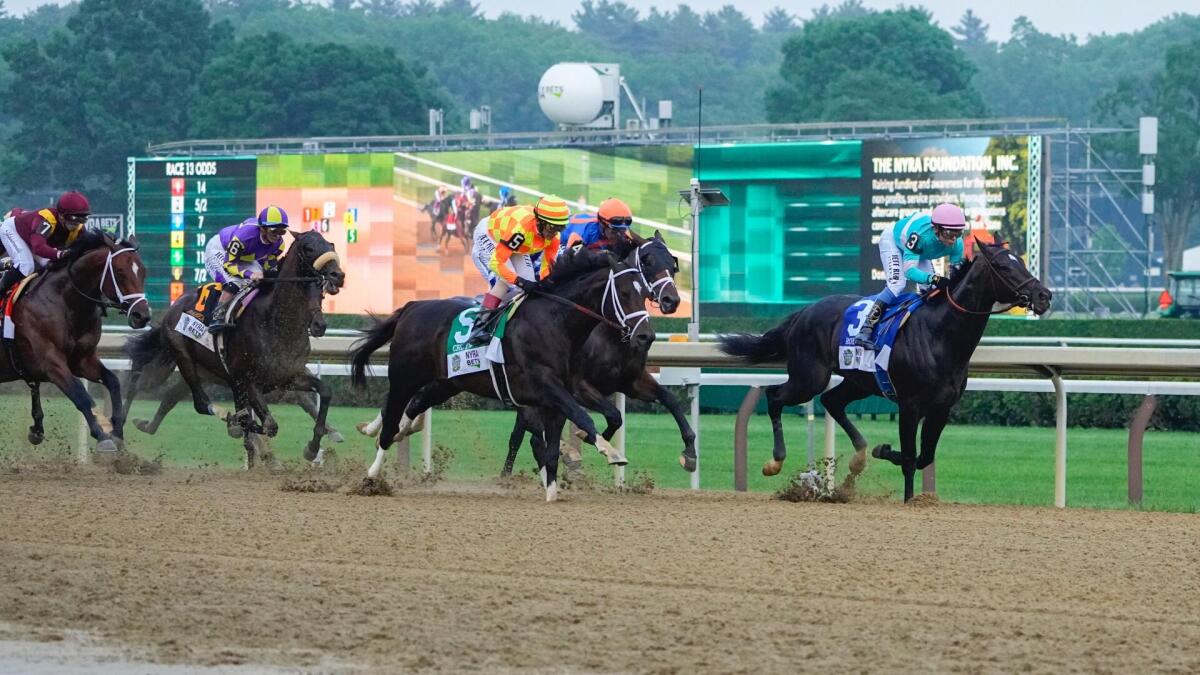
Then Ryan Moore’s mount, Gstaad, shifted slightly. The wall cracked. Loughnane waited one beat longer than any passenger would have, then asked Bow Echo the question. What followed in the next hundred yards was not a finish so much as a demonstration. The colt produced what trainer George Boughey would later call an explosive turn of foot and drove to the line in half a furlong of controlled acceleration, crossing half a length clear of Gstaad at the end of the Visit Qatar Sussex Stakes.
Bow Echo is only the second horse since Frankel to complete the milers’ triple crown.
The first, and only, was Frankel himself, in 2011.
That sentence belongs in its own paragraph, because it tends to stop people. Frankel is not merely the best miler in recent memory. He is, in the consensus of those who have watched British flat racing for the past thirty years, the best horse in any discipline since the modern record books mean anything. Comparisons to Frankel are not made lightly at the Goodwood weighing room, and they are not being made lightly now. But the 2000 Guineas at Newmarket, the St James’s Palace Stakes at Royal Ascot, and the Sussex Stakes in the same calendar year: that specific combination has now happened exactly twice. The numbers do not care about caution.
The race itself gave Bow Echo no favors. Loughnane tracked through the middle of the twelve-runner field as the pace developed, and the problems began in earnest when he needed room in the closing stages. Traffic pressed in from both sides. A different horse might have needed a clear run from three furlongs out to produce that kind of acceleration. Bow Echo waited for a gap that came with less than half a furlong remaining.
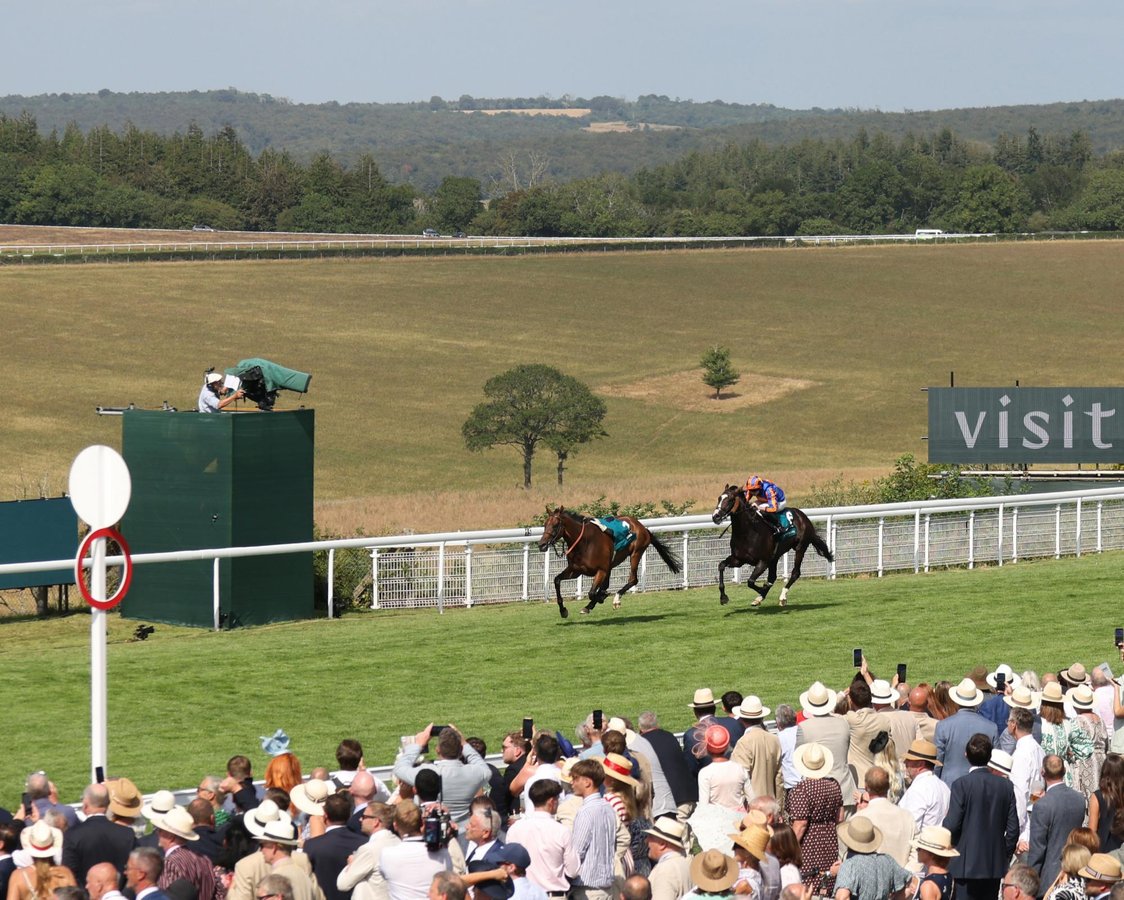
“He’s got the constitution to have another rough race, relax through it, then find the line,” Boughey said trackside after the race, as Yahoo Sports reported. “He’s got an explosive turn of foot.” The word explosive was not an exaggeration. Neither jockey had attempted to force the issue before that moment. Both were waiting for the race to break open. Only one of them was on a horse capable of making it count when it did.
Loughnane, who shadowed Moore’s Gstaad through the field and used his rival as a navigation point before finding his own path to the line, described the finish as the horse proving how good it is. For a jockey still establishing himself at this level, the composure required to hold a position in a Group 1 final straight, read the race off Moore’s horse, and then commit to a gap with a milers’ triple crown on the line is not a small thing. The ride was as much a part of this performance as the engine beneath him.
Boughey said it is not lost on him what Bow Echo has achieved. Then he said something else, quieter. It is desperately sad, he told reporters, that Sheikh Mohammed Obaid is not here to see it. Sheikh Mohammed Obaid Al Maktoum was the horse’s owner, and Boughey described the operation that produced Bow Echo as representing more than thirty years of work. The weight in that sentence was obvious. A victory like this had always been part of something larger than the race itself. Wednesday confirmed it.
What Bow Echo does next is the season’s remaining question. Boughey indicated connections are weighing two options in France before the autumn target: the Prix Jacques le Marois at Deauville in August, or the Prix du Moulin at Longchamp in September. The end goal is the Breeders’ Cup Mile at Keeneland in Kentucky on October 31. The Breeders’ Cup Mile is run on turf and would require Bow Echo to prove his form translates to different ground, a different atmosphere, and a field assembled from across the globe rather than the best of a single European summer. British mile form has traveled well to Keeneland before. It does not travel automatically.
Gstaad, the runner-up, is no mug. Moore does not ride mug horses in Group 1 finals, and his mount ran on gamely once Bow Echo’s acceleration came. The half-length margin tells only part of what happened. The gap arrived at the precise moment the winner had the energy for it, not at the moment Loughnane first wished for it. In a more straightforward race the margin might have been larger. The week’s most intriguing non-answer is whether Bow Echo’s turn of foot requires that kind of difficulty to activate, or whether it would have been equally decisive in clear air from the top of the straight. Boughey does not know yet, and he is not pretending otherwise.
The Sussex Stakes adds a second memorable result in two days at Glorious Goodwood, which continues through Saturday. On Tuesday, Scandinavia retained the Goodwood Cup in similarly chaotic conditions: jockey Hector Crouch was unseated from Amiloc at the start, leaving a riderless horse to lead the field for much of the two-mile contest before veering across the leaders approaching the final three furlongs, turning what should have been a clean Group 1 staying race into something closer to controlled disaster. The summer calendar, which has also been delivering competitive drama at the Citi Open tennis tournament in Washington this week, is producing stories of unusual depth in its less-covered corners.
What Bow Echo has done will outlast the specific conditions of Wednesday. The 2000 Guineas in May, the St James’s Palace Stakes at Royal Ascot in June, the Sussex Stakes at Goodwood in July. No horse has run that sequence since Frankel. The record had fifteen years without company. Now it has one addition, half a length in front of Ryan Moore at the line, in a race its winner did not win comfortably until the final hundred yards. That is exactly the kind of detail that makes the achievement harder to dismiss. Champions tend to find a way to win even the races that are not going perfectly. Bow Echo is finding ways.
Whether the autumn at Keeneland decides this is a truly Frankel-caliber season is not a question Wednesday resolved. That is precisely the point.