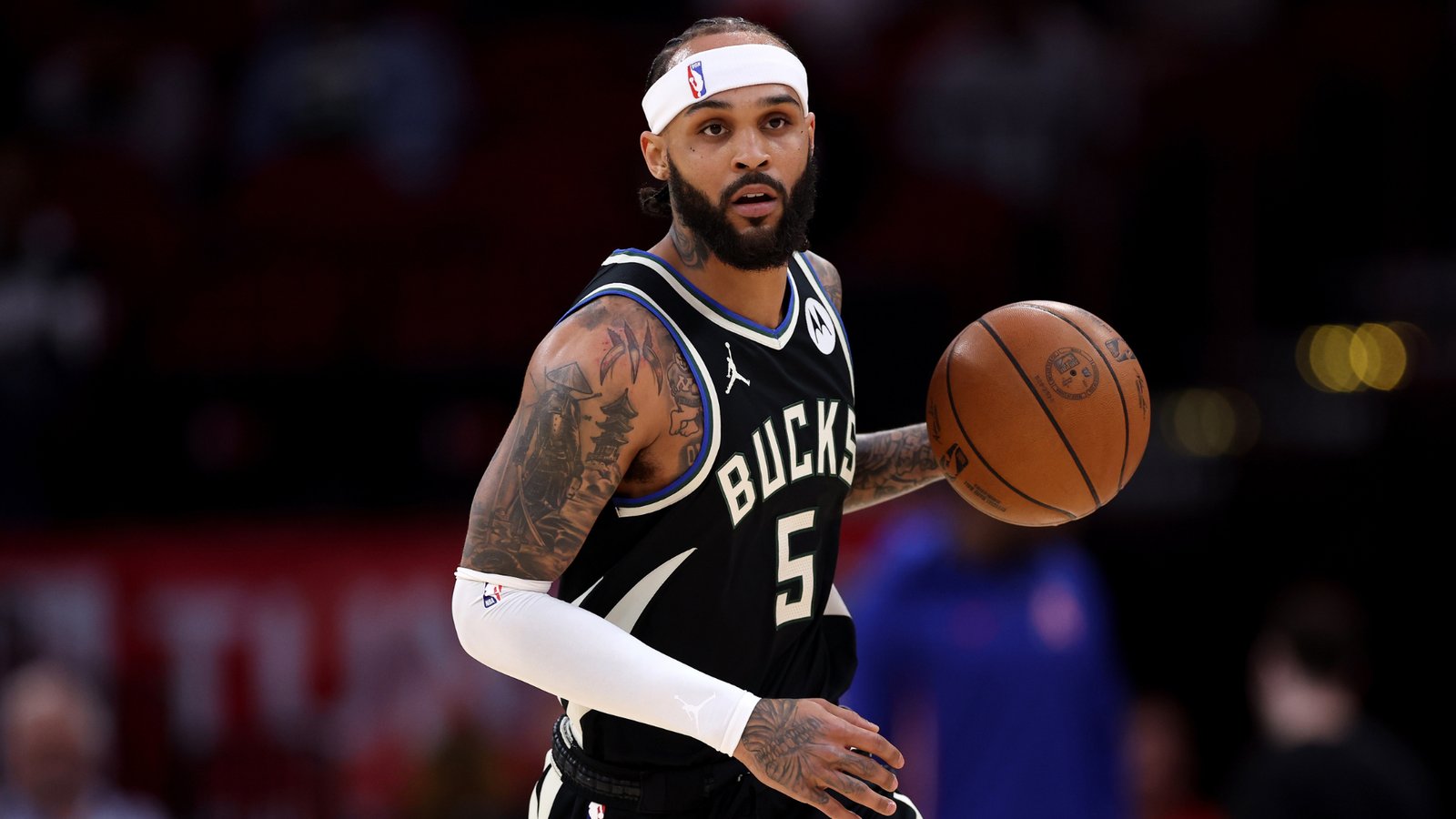

MILWAUKEE – For two straight summers, Gary Trent Jr. played for the Milwaukee Bucks at or near the minimum while the market for his services barely moved. Then the Bucks gave him $64 million. The NBA is now asking whether those two facts were always connected.
The league launched an investigation into whether Milwaukee engaged in salary cap circumvention by using those below-market contracts to build Trent’s Early Bird Rights before rewarding him with a four-year deal worth the eighth-largest total in this year’s free agency class, according to a CBS Sports report published this week – on the heels of the worst statistical season of his career.
Trent’s 2025-26 numbers were not the profile of a player about to become one of the better-paid wings in the league. He averaged 8.1 points in 21.2 minutes, fell out of the rotation for stretches, and contributed next to nothing on defense or the glass. In 2024, when he first hit free agency after a three-year, $51 million contract with Toronto, the Raptors had offered him roughly $15 million annually. He wanted more. Toronto walked away. So did everyone else.
What followed is what drew the league’s scrutiny. Trent signed a minimum contract with Milwaukee in 2024. He signed another short deal in 2025. Each year he played, he built Early Bird Rights with the Bucks, the mechanism that allows teams to pay a player up to 175 percent of his previous salary regardless of cap space, provided the player has spent two consecutive seasons under Bird exceptions. His $64 million deal sits just $4 million below the maximum allowable under those rights. The alignment between the structure of those minimum deals and the ceiling they unlocked is what CBS Sports analyst Sam Quinn called the most confusing move of the 2026 offseason.
That alignment was not lost on anyone paying close attention. Zach Lowe, analyzing the deal for ESPN, said the whispers had been circulating for months. “Everybody in the league has been whispering for two months, minimum, about, like, ‘hey, I think there’s kind of like a crazy contract coming down the pike for Gary Trent Jr. after those two one-year contracts established his Early Bird Rights with the Bucks,’ and boom, it happened yesterday.” The $64 million figure arrived on a schedule that looked less like a market correction and more like the settlement of a long-standing debt.
The NBA’s collective bargaining agreement prohibits any pre-arrangement between a team and a player, what the league calls circumvention. The standard in such investigations is deliberately broad: the 2023 CBA states that circumvention “may be proven by direct or circumstantial evidence” when a player contract “cannot rationally be explained” without it. The Trent deal, as structured, invites exactly that analysis.
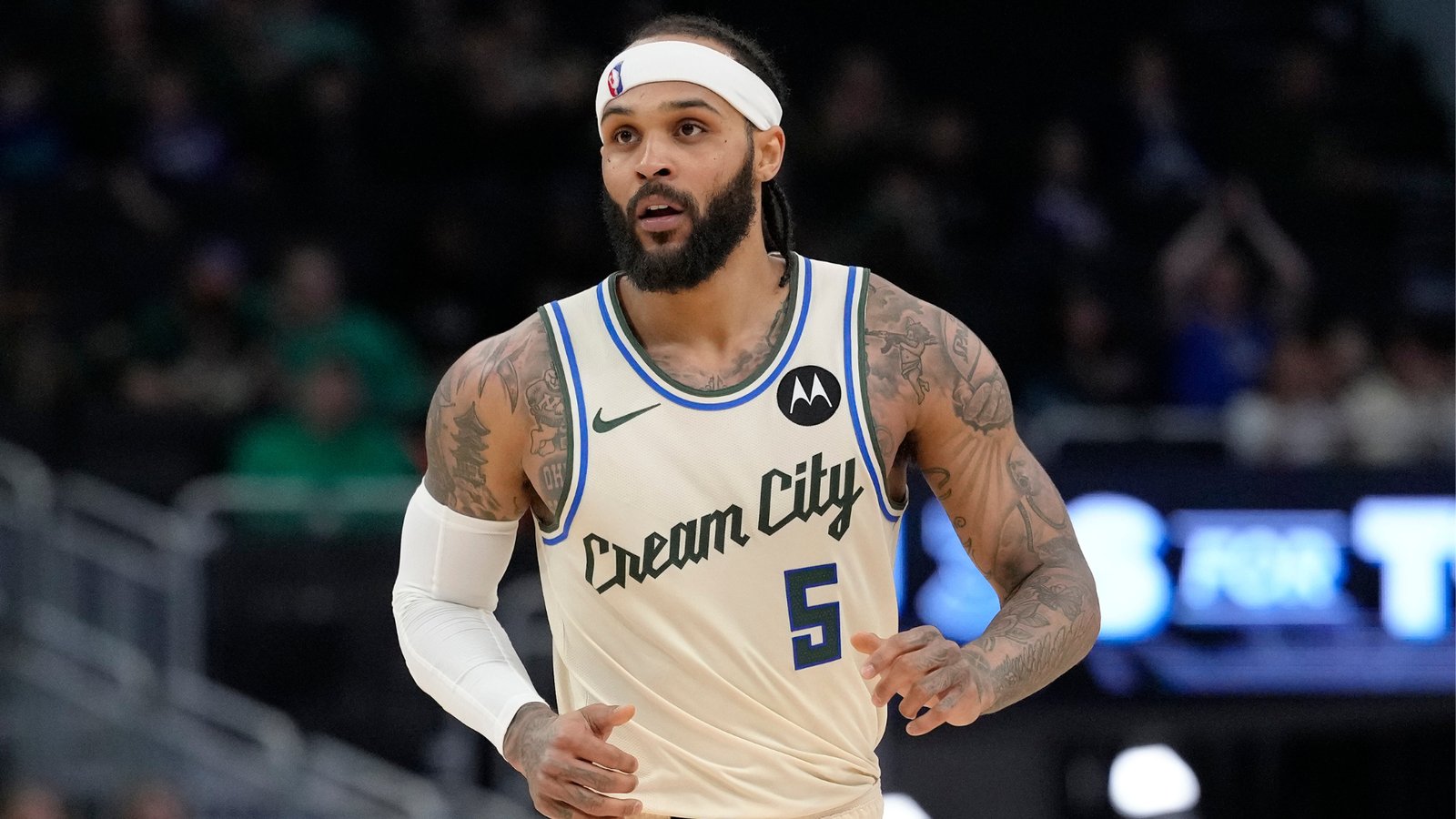
Milwaukee has not escaped this kind of scrutiny before. In 2020, the Bucks were fined for agreeing in principle to a sign-and-trade with Sacramento for Bogdan Bogdanovic before the free agency window officially opened, a tampering violation that cost them a second-round pick. That penalty was relatively contained. The precedent the league may now be reaching back to is considerably more severe.
In 1999, the Minnesota Timberwolves signed center Joe Smith to a series of below-market contracts while quietly promising him a much larger deal later. When the NBA uncovered the arrangement, Minnesota lost five first-round picks, two of which were eventually returned following an appeal, and the case set the standard for how aggressively the league would pursue cap circumvention. The Bucks, who traded Giannis Antetokounmpo to Miami this summer and are beginning what could be a multi-year rebuild, do not have draft capital to spare.
Milwaukee’s best argument is that the market for Trent simply recovered on its own timeline. The Bucks’ front office can reasonably point to his years in Toronto, where he was a reliable perimeter shooter before injuries and lineup changes diminished his role. They may argue that a full season of health, a system that features his shooting, and the absence of Giannis’s gravitational pull on every opposing defensive scheme gives Trent a credible path back toward relevance. That argument is not implausible. It is also untested by any other team in this particular market, which is precisely the problem.
The broader context only compounds Milwaukee’s exposure. The Nuggets, who crossed the NBA’s second apron this week after matching Oklahoma City’s offer sheet for Spencer Jones, are wrestling with their own version of cap-induced paralysis around Peyton Watson’s restricted free agency, a dynamic detailed in reporting on Denver’s deepening financial bind. Milwaukee is managing the potential aftermath of something more consequential still. A successful circumvention finding would not merely mean financial penalties. It would mean the franchise spent its most valuable rebuilding currency, draft picks it has not yet accumulated in the post-Giannis era, to compensate a player whose recent box scores do not support the price.
The NBA has not announced a timeline for its investigation. The Bucks have not issued a public response. Trent has not spoken since the deal was reported. What the league will eventually find, a pre-arrangement, a series of above-board decisions that happen to look suspicious, or something in between, remains undetermined. What is already clear is that Milwaukee made the kind of decision that draws institutional attention, and the history of that attention is not kind to franchises that cannot produce a better explanation than the one the market itself provided.