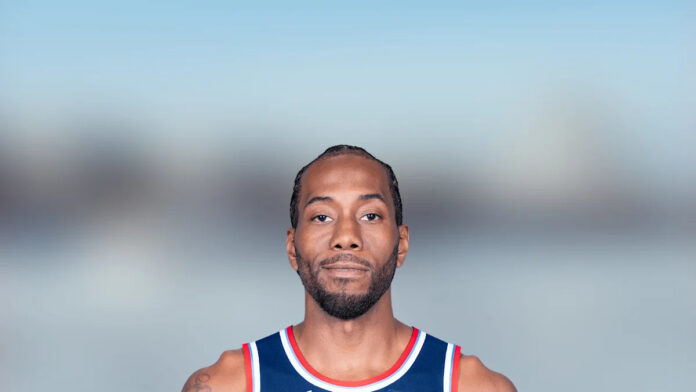
BOSTON – Jayson Tatum was at a basketball camp somewhere in late July, doing what stars do in the summer – signing merchandise, running drills with kids who want to grow up to be him – when he started talking about what he wants in the people around him. He spoke about accountability. About the qualities a leader looks for in teammates. About who you choose to have in your corner when things get hard.
He did not say Jaylen Brown’s name.
Brandon Jennings, the former NBA point guard turned analyst, heard the remarks and told Basketball Network on July 27 that Tatum had taken a shot. BasketNews.com reported a day earlier that the comments were generating enough attention to be called “cryptic.” What made them cryptic is the same thing that made them legible: they arrived six weeks after Boston traded Brown to the Philadelphia 76ers for Paul George and four draft picks, and nearly a month after the organization’s off-court reality had become difficult to avoid.
The Celtics finished the 2025–26 regular season at 56–26, second seed in the Eastern Conference, and then went home when Philadelphia beat them four games to three in the first round. Their partnership of five seasons – the one analysts spent years calling Boston’s best hope since the Big Three era – ended with a first-round loss to the team that now employs Brown. The trade followed roughly two months later. Brad Stevens, the team’s president of basketball operations, called it a salary-cap decision. Joe Mazzulla said the organization would need a “grieving process.” Tatum, given his first public opportunity to address it, called the trade “weird.”
What came out in the days after the deal reframed all of those statements. Yahoo Sports reported that the Tatum-Brown partnership, a pairing examined closely enough in Boston to become a kind of civic preoccupation, had deteriorated over the course of last season into something described as “close to not existent” off the court. Brown, through Mazzulla, was said to have felt “no loyalty” from the organization before the deal was finalized. Stevens had an explanation built around future flexibility. The relationship had a different one, and the basketball camp comments last week gave it a shape.
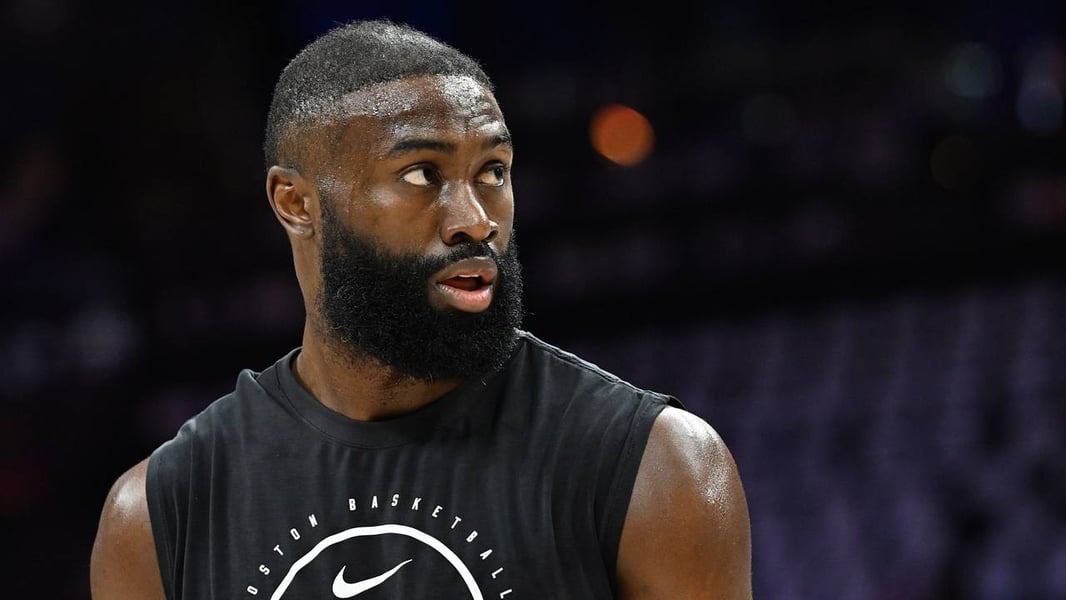
What the Celtics get in Paul George is complicated enough to make the decision feel unresolved before a practice rep has been taken. At his peak – the Indiana years, the Clippers prime – George was one of three or four most complete wings in the league. The reputation that followed him into Los Angeles and then into Philadelphia belongs to a player whose ceiling and floor have diverged wider than most franchises would accept at the price of a franchise cornerstone. The “Playoff P” tag is the kind of nickname only a certain kind of career produces, and George is aware of it. Whether Boston’s situation asks something different of him than the roles he played in those cities – or whether he fills the same supporting-act function Brown once occupied – is the question Stevens cannot answer before October.
That is also not the only question Stevens cannot answer. Tatum is recovering from a knee injury that, according to CBS Sports, may shape his usage rate through the early months of the 2026–27 season. He is 28, which should be the year when every offseason of work pays out. The front office bet that restructuring the team explicitly around him – rather than sharing the load inside a two-star partnership – would unlock something the pairing had been obscuring. Four draft picks and a former All-Star is a large price to test that theory. Charles Barkley, speaking on the organization’s choices broadly, said he had “no idea what the Celtics are doing.”
The rebuild-around-Tatum argument found what looked like early evidence in Las Vegas, where Boston’s Summer League squad has become one of the better stories of the event. Chris Cenac Jr., the team’s 27th pick in the 2026 draft, is averaging 10.5 points and 2.8 blocks per game – pressing his case for a rotation role before training camp opens. Stevens has draft capital to build a future with. He has George and Tatum to try to win with now. Whether the two timelines can hold together long enough to matter is the practical problem hiding beneath the offseason narrative.
What neither can fix is the series that started everything. Philadelphia eliminated Boston four games to three in the first round. The 76ers’ roster this fall will include Brown alongside a healthy Embiid and a team that was good enough to beat the second seed without being fully assembled. The team that ended the Celtics’ season got a piece of what made Boston dangerous. The Celtics’ answer is a player whose durability has always been the asterisk beside his talent and a group of young pieces that will need time none of them have been promised. What Tatum said at a basketball camp in late July – about the people you want in your corner when things get hard – was the most unguarded thing anyone connected to the Celtics said all summer. Whether it was a justification or an explanation is what the 2026–27 season will eventually decide.