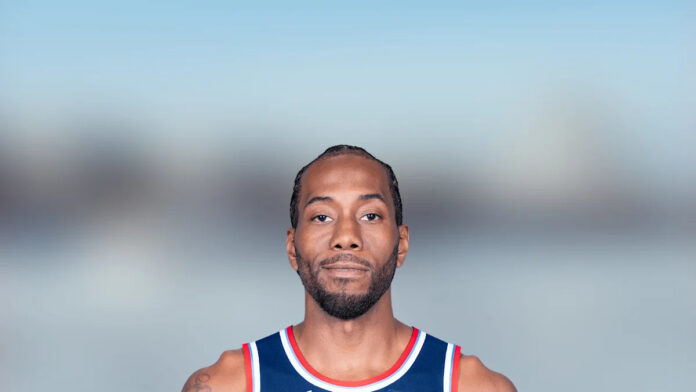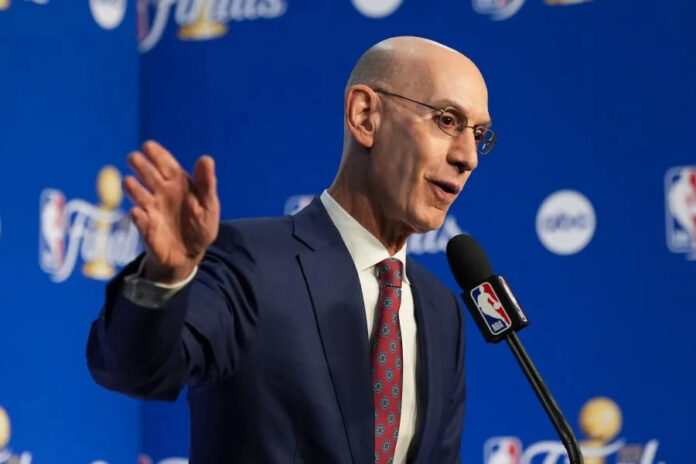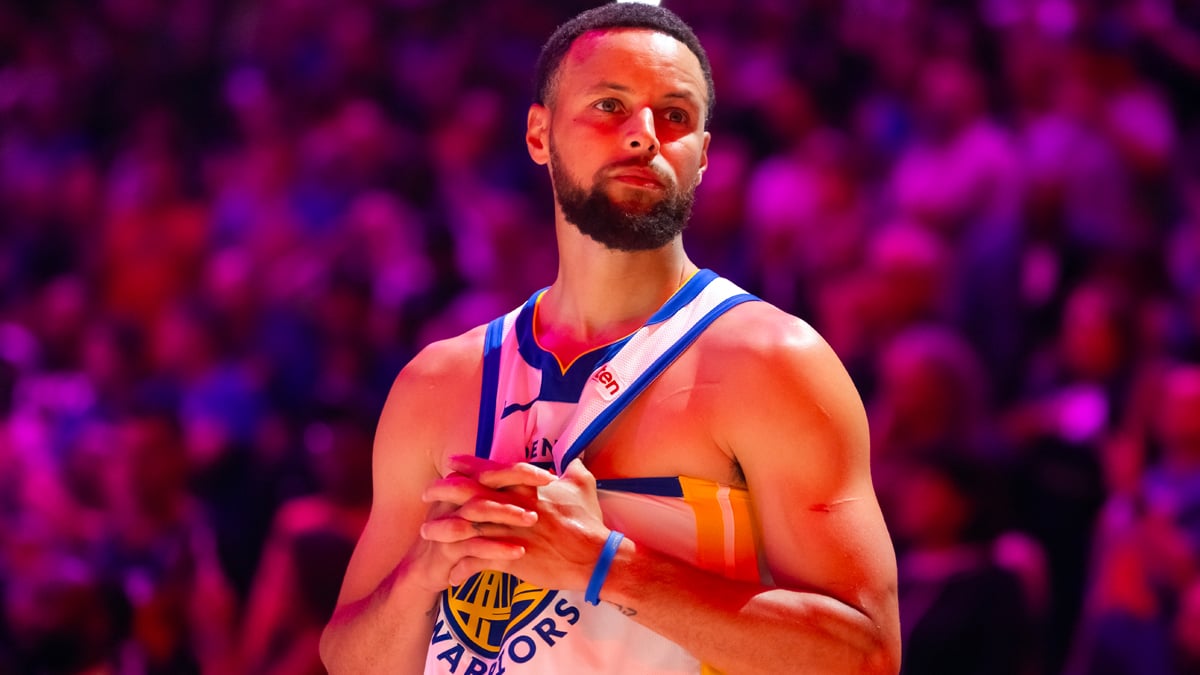

SAN FRANCISCO — When LeBron James made it official last Tuesday, Stephen Curry already knew what the next 30 days of his professional life were going to require.
The Warriors had spent the offseason constructing what reporters described as the most elaborate recruitment in franchise history, a bid that reportedly included arranging practice schedules around James’s New York residency, trying to work around the geography of a superstar who had made clear he would not relocate. Golden State’s pursuit ended the way the summer did. James chose Philadelphia. Curry watches August arrive with the same roster he finished the season with, plus one year of Draymond Green.
In 30 days, on August 29, the Warriors can formally offer Curry a contract extension projected at $136.7 million over three years. The question consuming everyone in the Bay Area right now is not whether the Warriors want to offer it. It is whether Curry will sign it.
The answer to that question has more variables than the organization would prefer to admit publicly. The 38-year-old point guard has told people close to him that he wants to finish his career as a Warrior. He has also, according to multiple accounts, made clear that the Warriors need to give him something to come back to. The distance between those two positions is the entire drama of Golden State’s summer.
What makes August 29 more than a routine contract signing is what the Warriors have not done between June and now. James chose Philadelphia. No significant free agent arrived. No trade materialized. Draymond Green’s one-year return at $27.7 million keeps the core intact in the most minimal sense, ensuring the two players most identified with the franchise’s four championships share a floor next October. What it does not guarantee is any credible path to a fifth.
The Warriors’ roster challenge is structural, not incidental. Curry, at 38, is entering the window in which every contract he signs carries the weight of legacy planning. What team does he want to grow old on, and what does that franchise owe him in return for the faith he is being asked to extend? The Warriors need him to believe the organization has a credible competitive vision for the years ahead. By any public evidence this summer, they have not articulated one.
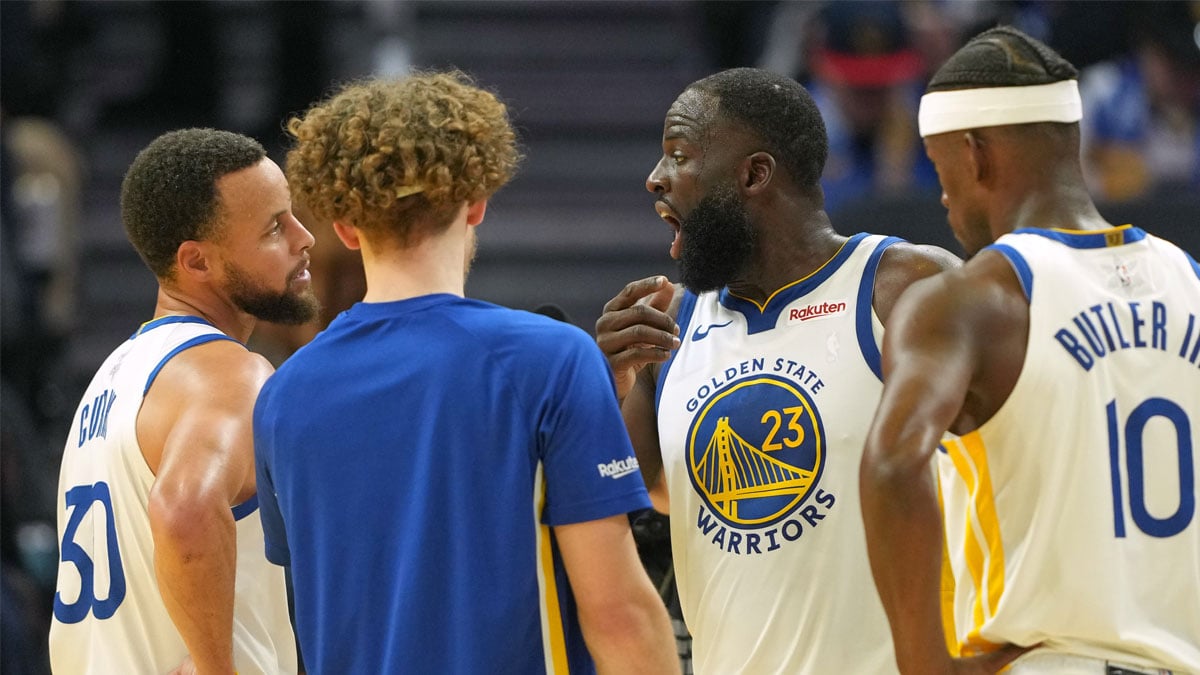
NBC Sports Bay Area reported Wednesday that the franchise’s thinking is already pivoting toward 2027, toward what different cap situations might free up in future offseasons rather than what can be added around Curry now. That framing, even if accurate, is an unusual thing to be circulating when the player you are asking to commit $136.7 million worth of trust is still waiting to understand what next season’s roster looks like.
Trade speculation has followed the quiet. The Boston Celtics, according to multiple reports, have shown interest in Curry, representing the most prominent alternative discussed in media circles. Nothing in any of those accounts has advanced beyond the analytical. But the conversation’s existence, by late July, says something about where the summer has landed for Golden State.
Green’s decision to waive his no-trade clause as part of his one-year deal gives the Warriors structural flexibility they did not have before, though the franchise has indicated no immediate plans to use it. The waiver is the kind of offseason detail that means nothing until it suddenly means everything. At this point in the calendar, in a summer this quiet, even small signals carry weight.
Steve Kerr, who has coached Curry to every championship Golden State has won, told NBC Sports this week that he never realistically believed the Warriors were in the running for James. What that admission reveals about what the coaching staff was actually preparing for, and what it means for how the organization will now present its competitive case to Curry before August 29, is something neither Kerr nor the front office has addressed directly in public.
The extension itself, if Curry signs it, would run through the 2028-29 season, past his 41st birthday. Brian Windhorst of ESPN has noted that both sides have incentive to find terms that give the Warriors flexibility while signaling to Curry that the organization views his late-career years as a genuine competitive window, not a bridge to future cap room. Whether those conversations have advanced beyond the theoretical is not publicly known.
What Curry’s camp has communicated privately, and what the Warriors’ front office is planning to present in the next 30 days, remains outside what either side has chosen to make public. Their unusual pitch to LeBron James this summer revealed how badly the franchise understood it needed another superstar alongside Curry. It did not reveal how they plan to address that need when the pitch failed.
Curry has spent two decades turning improbable Golden State situations into championships, into Finals MVPs, into something the Bay Area had never seen before. Whether he signs this extension is not really a question about money, or loyalty in any simple sense. It is a question about what the Warriors are offering in exchange for three more years of belief.
Thirty days to answer.