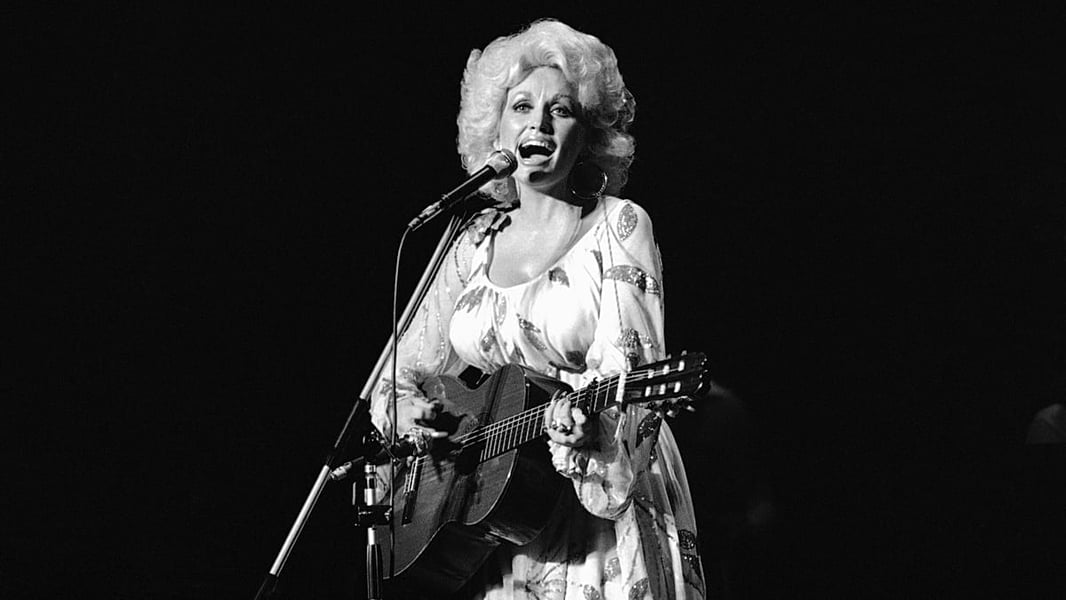

NASHVILLE – The Parton sisters had a standing appointment. Every Tuesday morning, before the sun came up, Dolly and Stella would get on the phone. Dolly Parton died on a Tuesday.
Stella Parton, one of eleven siblings and a recording artist in her own right, wrote about those calls in a Facebook tribute this week, Euronews reported, and included something her sister had told her that had not been public. If there was no hope left for her, Dolly said, she would still allow her medical team to try experimental drugs, in the hope that what they learned might help someone else later.
That is a small paragraph in a grieving woman’s post, and it is also the most specific thing anyone has said about how Dolly Parton approached the end of her illness. She died on Tuesday at 80, following what her family described as a brief battle with cancer, after treatment at the Vanderbilt-Ingram Cancer Center in Nashville. She had also been dealing with kidney and autoimmune problems. She was surrounded by family.
What Stella described is a recognisable decision, and a harder one than it sounds. Early-phase drug trials are not designed to cure the people in them. They exist to establish whether a compound is safe and at what dose, and the participants who enrol are usually told plainly that the odds of personal benefit are low. Consenting to one when the prognosis has already closed is an act of usefulness rather than hope. It is also, for someone whose remaining time is measured in weeks, a decision to spend some of that time in a hospital rather than at home.
Whether Parton actually enrolled in such a trial is not known. Stella’s account is of something her sister said, not something the family has confirmed happened, and the post does not name a drug, a protocol or a study. Vanderbilt has not commented, and would not be expected to. Nothing in the public record establishes what treatment she received in her final weeks.

The reticence is consistent with how she handled the illness itself. Eastern Herald reported on her death on Tuesday, and the striking feature of the coverage was how little anyone outside her family had known. She had been visibly unwell earlier in the year, when she spoke about her health struggles following the death of her husband Carl Dean, and had postponed engagements. She did not announce a diagnosis. The word cancer entered the public account of her life at the same moment her death did.
That choice looks different in light of what her sister has now said. A person who intends to donate her body’s response to an experimental compound is not someone who was in denial about what was happening. She appears to have understood the situation precisely, and to have decided that the public did not need to watch it unfold.
The detail also lands against a long-running strand of her career that was never really about music. Parton put a substantial fortune into Nashville, into the Imagination Library that has mailed books to millions of children, and into medical research. Her name is on donations that funded work at Vanderbilt, and she was public about that in a way she was not about her own body. Offering the last usable thing she had to the same institution is of a piece with it, and quieter than any of it.
Stella Parton’s post is a family document rather than a statement, which is worth remembering. It carries the imprecision that grief carries. She wrote about the Tuesday calls continuing in some altered form, and about a ritual that has now lost one of its two participants, and the line about experimental drugs sits inside that rather than being announced as news. It became news because of who her sister was.
The country music establishment has spent the week producing tributes, and most of them have reached for the catalogue. Jolene, I Will Always Love You, the Dollywood empire built out of Sevier County, the songwriting that survived every genre shift Nashville threw at it across sixty years. Those obituaries are accurate and they are also the easy version. The harder thing to write about is a woman who kept a terminal illness private while telling her sister, in the small hours of a Tuesday, that the doctors could try whatever they wanted on her if it produced something usable.
What the family has not said, and may never say, is whether any of that happened. The offer is on the record now. The outcome is not.