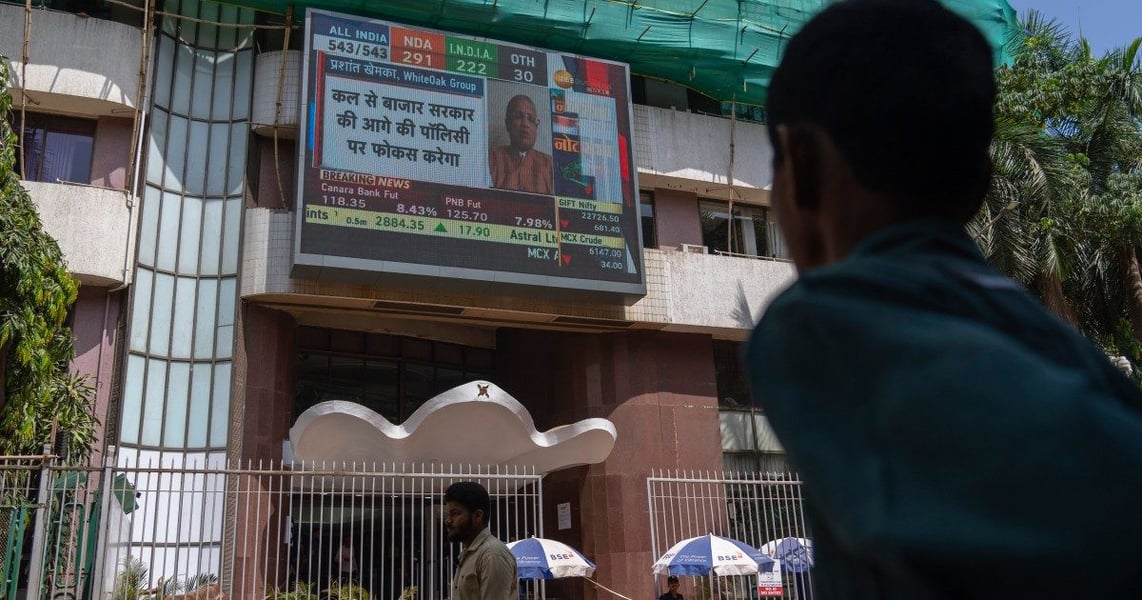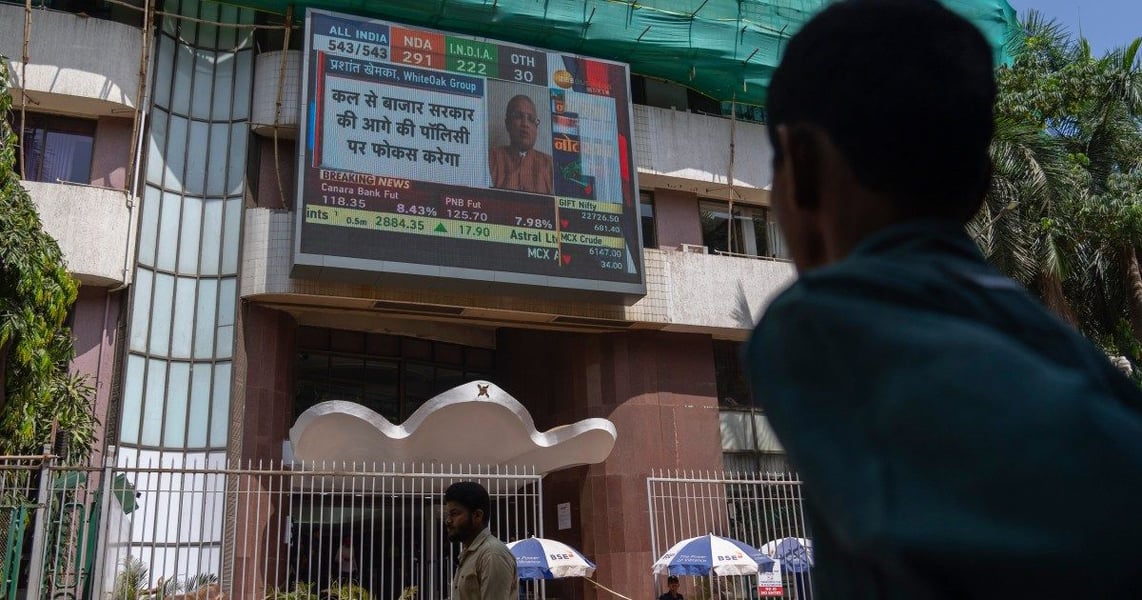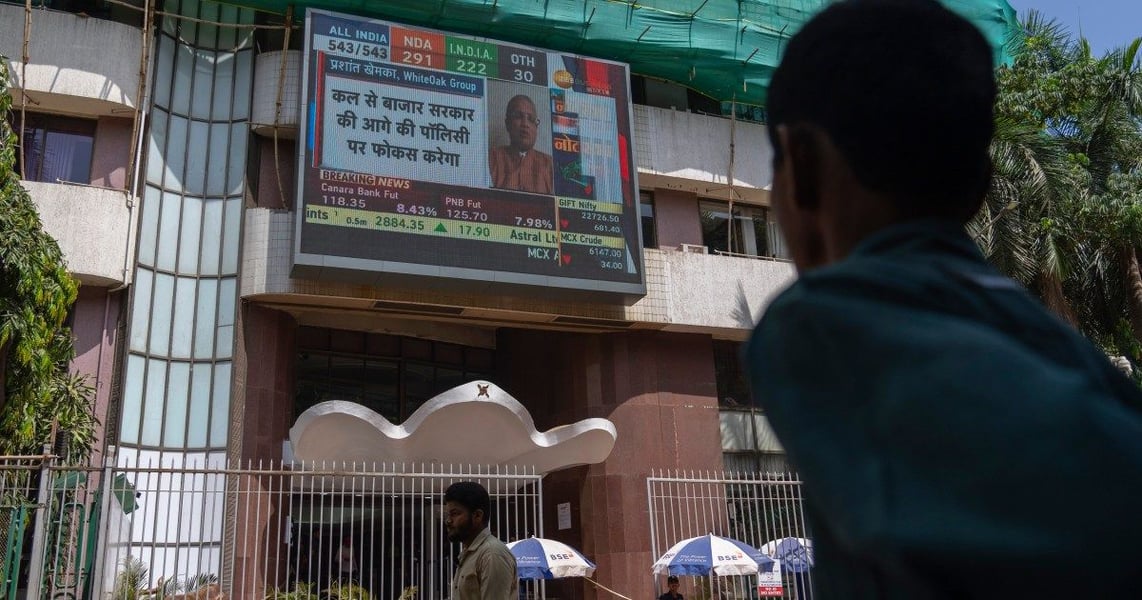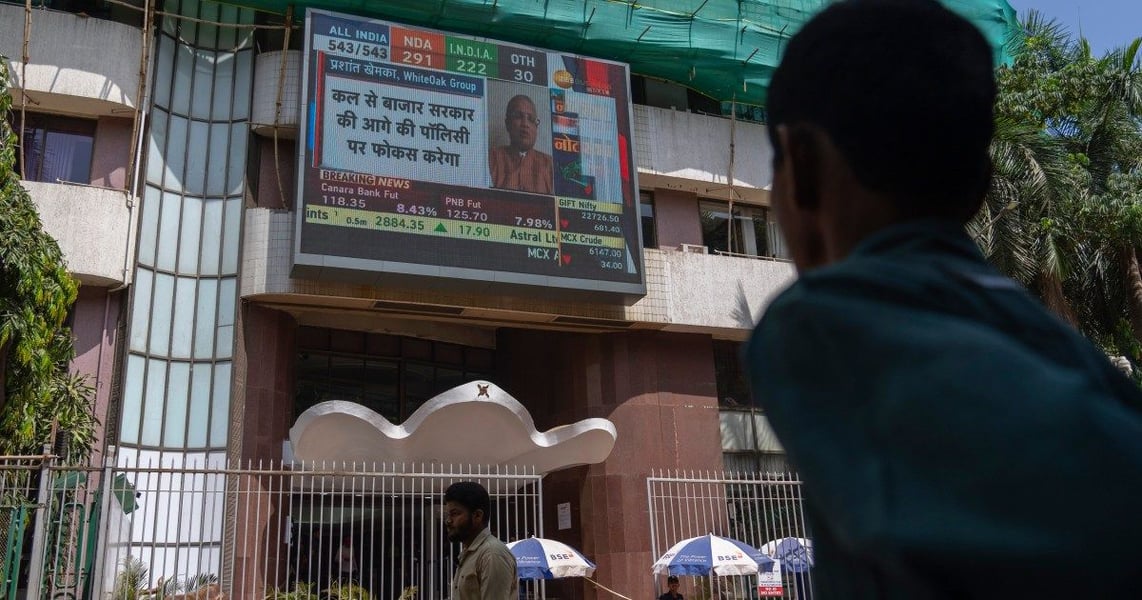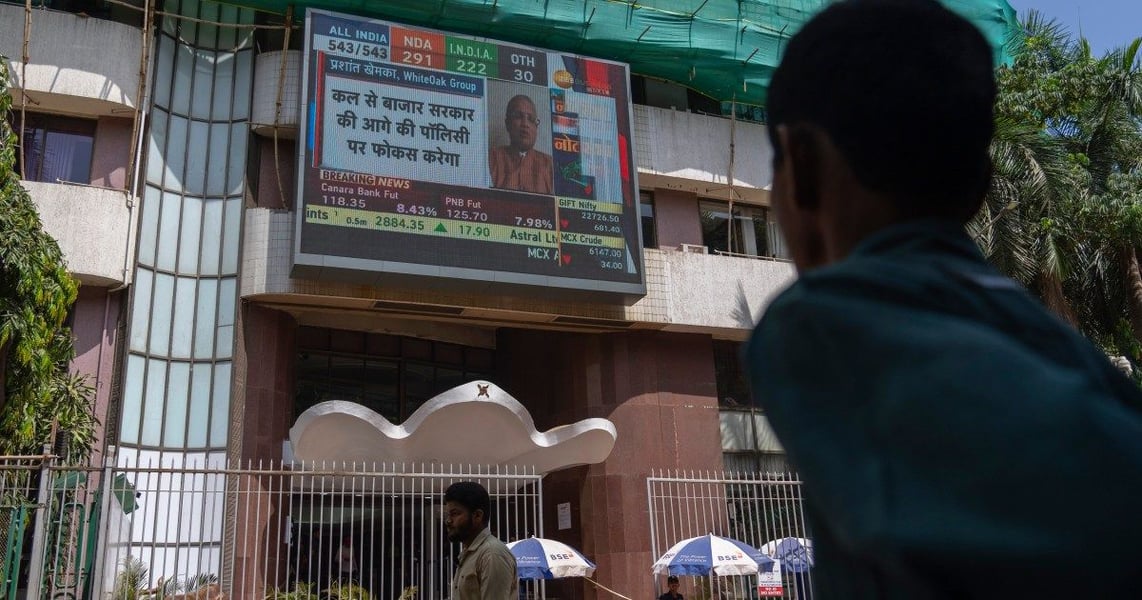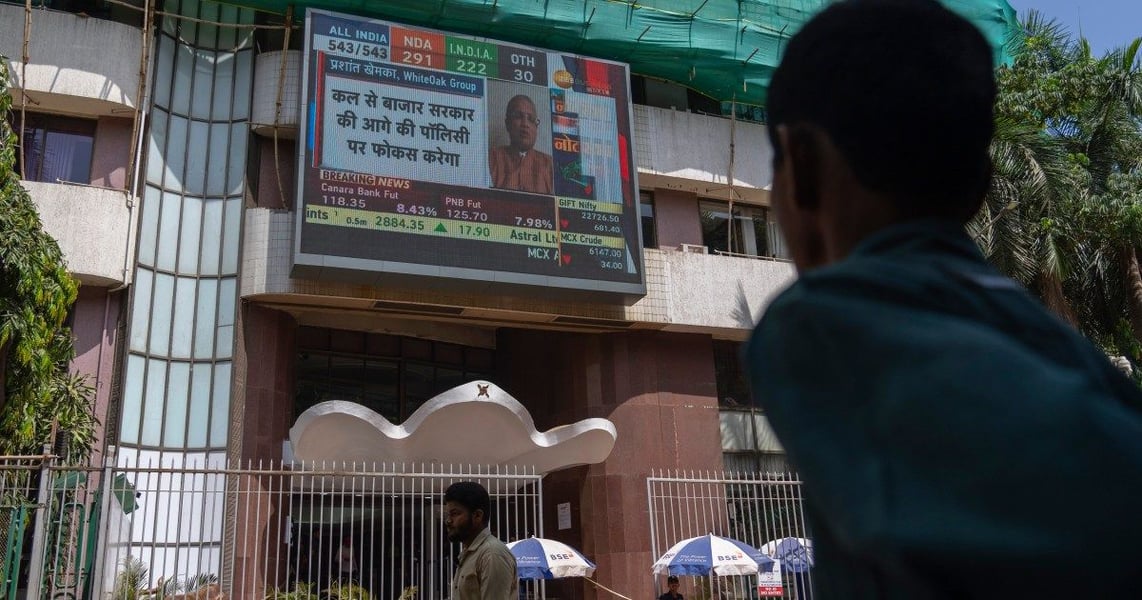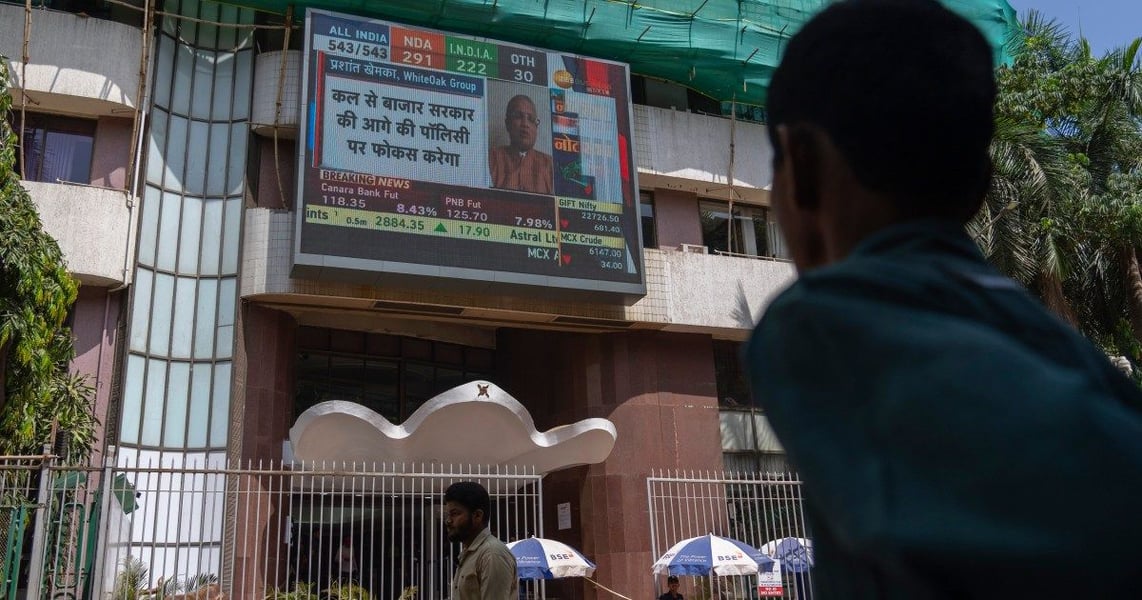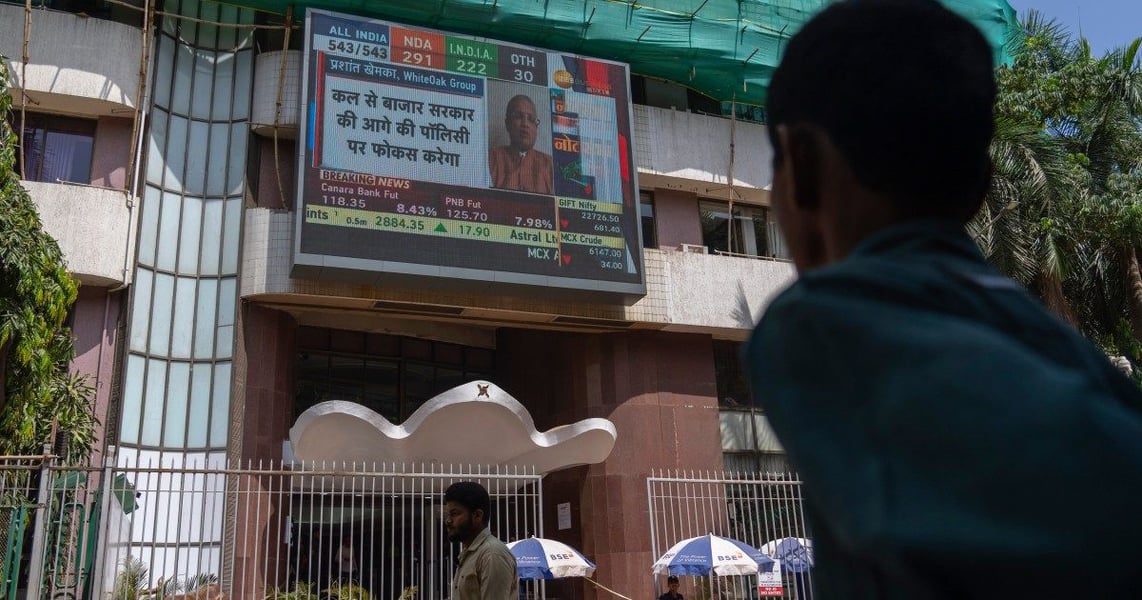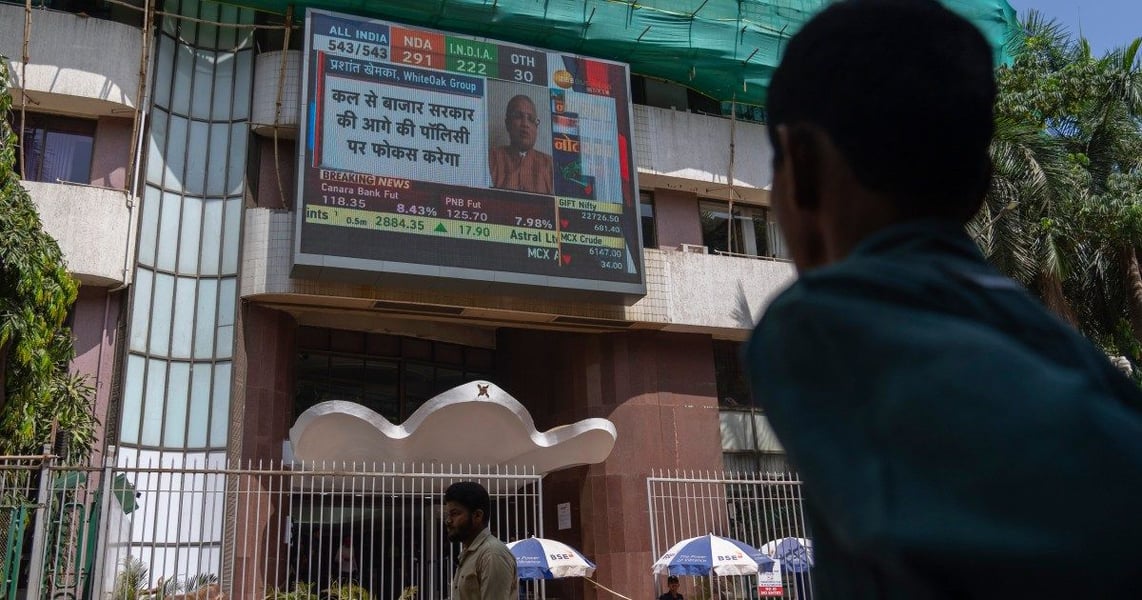

MUMBAI – The home-buyer who signed a term sheet with a Mumbai developer in August 2026 did so knowing that home loan rates, already elevated after two years of restrictive monetary policy, were not about to fall any time soon. The Nifty Realty index closed August 31 at 890.60, down 17.20 points or 1.89 percent, and the dominant story behind that number was simple: crude oil above $90 a barrel makes an RBI rate cut in September politically and arithmetically difficult, and the real estate sector is the one corner of Indian equities that most directly needs that cut to materialise.
The index’s decline was the steepest percentage drop among the major NSE sectoral sub-indices on Monday, outpacing even the IT sector’s 1.79-percent fall. Developers are rate-sensitive by construction — their land acquisition financing, construction-phase borrowings, and the home loans that ultimately move their inventory are all priced off benchmark rates that the Reserve Bank of India has kept restrictive since mid-2024. The September 11 policy meeting, which as recently as a week ago was considered a near-certainty for a 25-basis-point cut, is now being described by three of Mumbai’s largest brokerage desks as genuinely uncertain.
DLF, the country’s largest listed developer by market capitalisation, fell 1.94 percent to close at 812.40 rupees. The Gurugram-based company had been one of the sector’s relative steadying forces through much of August, supported by strong pre-sales momentum in its luxury residential segment — a category that is, paradoxically, less sensitive to interest rates because buyers in the ₹5-crore-and-above bracket typically deploy a higher proportion of equity and carry smaller mortgage obligations relative to property value. Monday’s decline erased that resilience, which suggests the selling was sector-wide rather than DLF-specific.
| Company | Last Price (₹) | Change (₹) | Change (%) | 52-Wk High (₹) | 52-Wk Low (₹) |
|---|---|---|---|---|---|
| DLF Limited | 812.40 | -16.06 | -1.94% | 967.30 | 647.80 |
| Godrej Properties | 2,714.60 | -35.28 | -1.28% | 3,192.40 | 2,134.60 |
| Prestige Estates Projects | 1,842.30 | -45.66 | -2.42% | 2,214.80 | 1,412.60 |
| Macrotech Developers | 1,124.60 | -18.58 | -1.62% | 1,342.80 | 867.40 |
| Oberoi Realty | 1,678.40 | -26.84 | -1.57% | 2,024.60 | 1,312.80 |
| Phoenix Mills | 1,812.60 | -40.28 | -2.17% | 2,214.40 | 1,424.80 |
| Brigade Enterprises | 1,124.80 | -14.62 | -1.28% | 1,398.40 | 867.60 |
| Sobha Limited | 1,512.40 | -30.24 | -1.96% | 1,824.60 | 1,124.80 |
| Source: NSE. Indicative closing prices based on available market data as of 3:30 PM IST, August 31, 2026. Verify against official exchange data. | |||||
Prestige Estates Projects recorded the index’s steepest percentage decline, falling 2.42 percent to 1,842.30 rupees. The Bengaluru-headquartered developer has been aggressively expanding into Mumbai, Hyderabad, and Delhi-NCR through a land acquisition programme funded substantially with debt, making it more directly exposed to borrowing cost pressure than peers that carry leaner balance sheets. Phoenix Mills, which operates premium retail malls alongside its residential portfolio, dropped 2.17 percent — a decline partly attributable to mall-operator concerns about discretionary consumer spending at a time when petrol prices are testing household budgets.
Godrej Properties declined a comparatively moderate 1.28 percent to 2,714.60 rupees. Brigade Enterprises, the Bengaluru-focused residential and commercial developer, also lost 1.28 percent. The relative resilience of both names in the context of a broad sectoral sell-off may reflect their higher proportion of projects in South India’s technology-belt cities, where salaried IT professionals have continued to purchase homes despite elevated rates because employment confidence in the sector remains reasonably high.
Macrotech Developers, which operates under the Lodha brand and has the largest affordable-housing exposure among index constituents, fell 1.62 percent to 1,124.60 rupees. Affordable housing is the segment most directly impaired by elevated interest rates — a borrower in the ₹40-60 lakh price band with an 8.75-percent home loan pays approximately ₹36,000 per month in equated instalments on a ₹35-lakh loan, a figure that crowds out meaningful discretionary spending and stretches repayment capacity at current income levels. Any delay in the RBI’s rate-cut cycle extends the timeline over which those buyers can comfortably commit.
Oberoi Realty, which concentrates in the high-end Mumbai residential market, shed 1.57 percent to 1,678.40 rupees. Sobha Limited, the Bengaluru-founded builder with significant premium residential exposure in Kerala, Karnataka, and Gurugram, fell 1.96 percent to 1,512.40 rupees. Both companies have above-average gross margin profiles relative to their peers, which provides some buffer against cost escalation, but Monday’s selling was largely indiscriminate within the sector.
The August performance of the Nifty Realty index as a whole tells a more complicated story than a single session can capture. The index entered August near 920 before testing 950 briefly in the second week, driven by anticipation of monetary easing that seemed more credible then than it does today. The subsequent retreat — 59 points from peak to Monday’s close — tracks almost exactly with the shift in rate-cut expectations that began when July’s inflation data, while broadly benign, still showed food prices sticky enough to give the RBI pause.
The question no market participant has answered is whether August’s pre-sales performance — a metric that several large developers report monthly and that has been running at record levels across Mumbai, Bengaluru, and Delhi-NCR — will eventually overwhelm the rate-sensitivity story. A developer like DLF that is booking ₹6,000 crore in pre-sales per quarter is growing its cash-generating order book regardless of where mortgage rates sit today. The interest-rate overhang affects the delivery timeline and the financing cost of construction, not the stated demand. Whether that decoupling between sales momentum and stock price persists into September is the central uncertainty the Nifty Realty index enters the new month carrying.
Related Posts