
A flight booking may take only a few minutes, but the financial work attached to it can continue long after the employee reaches the destination. For businesses managing frequent employee travel, GST on flight tickets becomes more than a tax consideration. Finance teams also need to keep invoices, booking details, traveller information, payment records and business expense data properly organised. When every employee follows a different booking process, bringing all these records together can become unnecessarily difficult.
The Indian aviation market continues to see substantial passenger activity, making efficient corporate travel processes increasingly relevant. According to ICRA’s July 2026 aviation update, India’s domestic air passenger traffic was estimated at 137.2 lakh passengers in June 2026, while passenger traffic during April to June 2026 was estimated at 429.3 lakh. As business travel remains an important part of this ecosystem, companies need processes that can handle a growing number of transactions without creating additional administrative pressure.
Centralized corporate flight booking can help address this challenge. By bringing bookings, traveller information and billing records into a structured process, businesses can create a cleaner trail for finance teams. This makes it easier to review expenses, identify missing information and carry out GST reconciliation without depending heavily on scattered emails, spreadsheets and manual follow-ups.
Why Flight Bookings Can Become Difficult to Reconcile
Corporate flight expenses may appear simple, but finance teams often deal with several pieces of information for every transaction. A single booking can involve the traveller’s name, journey details, company information, invoice number, taxable amount, applicable tax and payment details. When a company has hundreds of employees travelling throughout the year, keeping these records consistent becomes a significant task.
The challenge increases when employees use different booking channels. One person may book through an airline, another may use an online travel platform, while another may contact a travel desk. Each method can produce different documents and transaction references. Finance teams then have to collect these records, verify them and determine whether the information is complete before entering it into their reconciliation process.
Missing or inconsistent information can create further delays. An invoice may not contain the expected business details, a transaction may be assigned to the wrong cost centre, or supporting documentation may not be available when the finance team needs it. These small gaps can become a bigger problem when several transactions accumulate during the month.
How Centralized Booking Creates Better Control
Centralization brings consistency to the booking process. Instead of allowing employees to choose different methods for every trip, a company can establish a common channel for corporate travel. This gives employees a clear process to follow while giving finance and administration teams greater visibility over bookings.
A structured booking workflow also makes it easier to connect travel expenses with the correct employee, department or business purpose. When this information is captured during the booking process, finance teams do not have to depend entirely on employees to provide it later.
This approach can make reconciliation more predictable. Rather than spending significant time gathering basic information, finance professionals can focus on reviewing transactions, checking exceptions and resolving discrepancies. The process becomes less about finding missing records and more about validating the records already available.
Better Management of Invoice Information
Invoices are central to any GST-related reconciliation process, which makes accurate invoice management particularly important for corporate travel. When employees book independently, finance teams may receive invoices at different times and through different channels. Some documents may be forwarded immediately, while others may only appear when expenses are being reviewed.
A centralized process can reduce this inconsistency by creating a common trail for travel transactions. Booking information and billing details can be associated with the relevant corporate travel activity, making documents easier to locate when required.
This can also help businesses identify potential problems earlier. If required company information is missing or a transaction appears unusual, the issue can be investigated closer to the booking date instead of several weeks later. Early identification is useful because correcting a small issue is generally easier than resolving a large backlog during reconciliation.
How Centralization Supports GST Reconciliation
GST reconciliation requires businesses to compare transaction information and ensure that relevant records are accurate and properly supported. For corporate travel, this means finance teams need access to reliable information relating to bookings, invoices, suppliers and business expenses.
A centralized booking process can provide a more consistent source of travel information. When bookings are made through an organised corporate channel, finance teams can trace transactions more easily and identify the records associated with a particular journey.
This does not mean centralization automatically makes every GST issue disappear. Companies still need to verify tax information, follow applicable GST rules and determine whether a particular expense qualifies for the relevant tax treatment. However, having better-organised source data can make these checks considerably easier.
The Role of MyBiz by MakeMyTrip
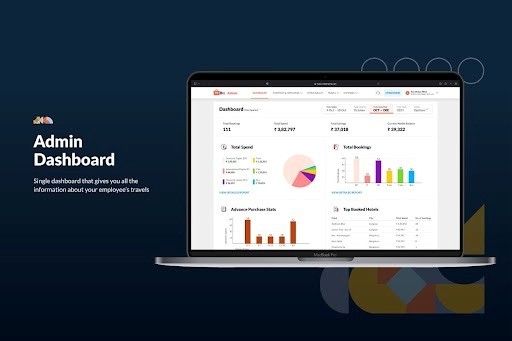
For businesses, a structured travel platform can bring booking and business travel management into one organised environment. MyBiz by MakeMyTrip provides a corporate travel booking approach that can help businesses move away from fragmented employee booking processes.
The benefit for finance teams goes beyond making flight reservations. A consistent booking process can help create better visibility into corporate travel transactions, while employees have a defined channel for making business bookings. This can support smoother coordination between employees, travel administrators and finance teams.
Reducing Manual Work for Finance Teams
Manual reconciliation becomes increasingly difficult as the number of transactions grows. Finance professionals may need to compare invoices with booking confirmations, check amounts against expense records and follow up with employees when supporting documents are unavailable.
Centralized corporate flight booking can reduce some of this repetitive work by keeping travel transactions within a common process. Instead of searching across multiple email threads or asking employees to provide booking information again, finance teams can start their review from a more structured record.
This can be particularly useful at month-end. When finance teams are working against reporting deadlines, having organised travel information can reduce the amount of time spent on basic administrative tasks. The team can concentrate on genuine discrepancies instead of repeatedly collecting documents.
Making Reconciliation an Ongoing Process
GST reconciliation becomes easier to manage when businesses do not leave all the work until the end of the reporting period. A centralized travel process supports more regular monitoring because transactions are recorded through a consistent booking channel from the beginning.
Finance teams can review records periodically and identify issues while the information is still fresh. If an invoice needs clarification or a transaction requires correction, the relevant employee or travel administrator can be contacted sooner.
This approach also reduces the likelihood of a large backlog. Instead of discovering dozens of small issues at the same time, companies can address them throughout the month. Over time, this can make the finance team’s reconciliation cycle more manageable.
Improving Visibility Across the Business
Centralized flight booking can also provide benefits beyond GST reconciliation. When corporate travel follows a common process, businesses can gain a clearer understanding of where travel spending is occurring and how frequently employees are travelling.
Managers can use this information to review travel patterns, while finance teams can better understand how expenses are distributed across departments or business activities. Administration teams can also work with a more consistent process for handling employee travel.
For employees, the advantage is simplicity. They know where to make a business booking and what process they are expected to follow. This reduces confusion and creates greater consistency across the organisation.
Why Centralization Becomes More Valuable as Travel Grows
A travel process that works for a small company can become difficult when the workforce and travel volume increase. More employees naturally mean more bookings, invoices, payment records and opportunities for inconsistencies.
Centralization helps businesses create a repeatable process before the volume becomes difficult to manage. It establishes a common route for corporate bookings and gives finance teams a clearer source of information for reviewing travel expenses.
This becomes especially useful for organisations with employees travelling across multiple cities and business locations. Instead of managing every booking as a separate administrative event, companies can treat corporate travel as a connected business process.
Connecting Travel and Finance More Effectively
The strongest benefit of centralized corporate flight booking is the connection it creates between travel management and financial administration. Booking a flight is only the first step. The transaction eventually needs to move through expense reporting, accounting and, where applicable, GST-related review.
When these stages are supported by a consistent booking process, there is less dependence on manual information gathering. Finance teams can trace transactions more easily, employees have clearer responsibilities and businesses can maintain better records.
The objective is not simply to make flight booking faster. It is to create a process where the information generated during booking remains useful throughout the financial lifecycle of the expense.
A More Efficient Approach to Corporate Travel
GST reconciliation does not have to become a monthly exercise in chasing invoices and matching disconnected records. A centralized booking process can give businesses a more reliable foundation by keeping corporate travel information organised from the start.
By reducing fragmented booking practices, improving access to transaction details and creating a consistent workflow, centralized corporate flight booking can help finance teams spend less time on repetitive administrative work. It also gives businesses better visibility into travel expenses and helps employees follow a clearer booking process.
For growing organisations, connecting travel booking with financial processes can make a meaningful difference. When every booking contributes to a structured and traceable record, GST reconciliation becomes easier to manage, review and maintain over time.
A Simpler Path From Booking to Reconciliation
Centralized corporate flight booking brings consistency to a process that can otherwise become fragmented across employees and booking channels. Better-organised records can reduce manual follow-ups, improve visibility and make GST reconciliation more manageable. For businesses with regular employee travel, creating one connected process from booking to financial review can save time and give finance teams greater confidence in the records they manage.