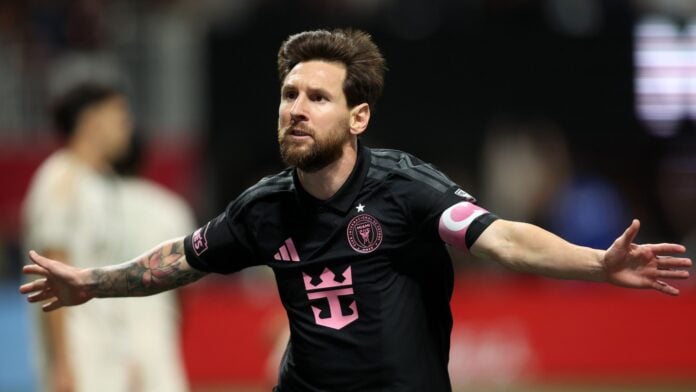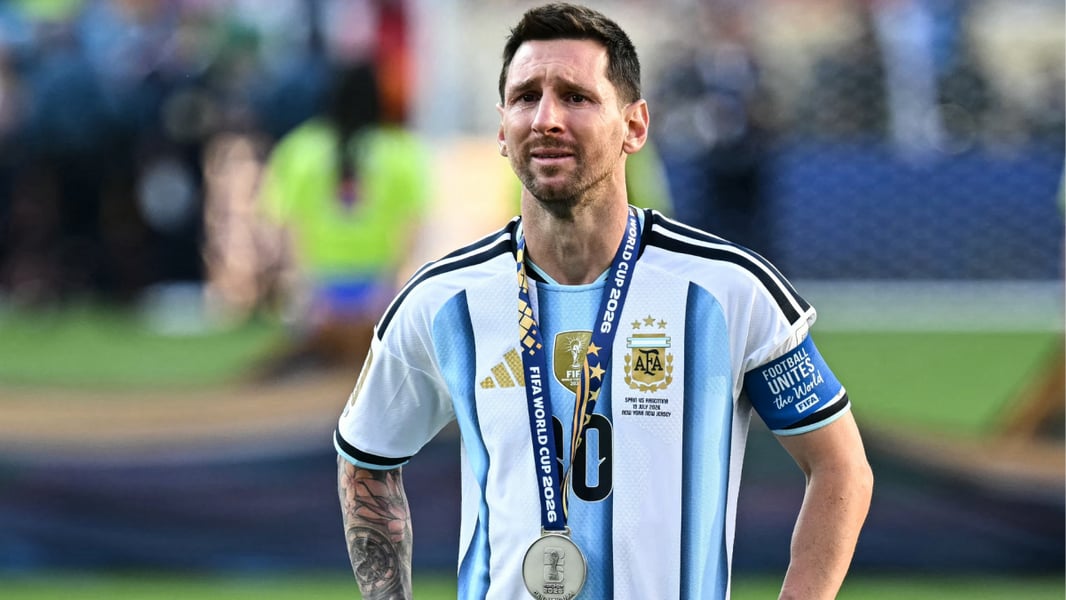

MIAMI – Two days after losing the 2026 World Cup final to Spain, Lionel Messi had already made his decision. He did not announce it then. He carried it through the weeks that followed, through the death of his father and agent, Jorge Messi, who passed away in August. On Monday morning, Messi posted the words to Instagram: after 21 years, 125 goals and one final tournament that ended 1-0 in extra time against Spain, he was done with Argentina.
“After this time that passed since the final, thinking about it a lot, I want to tell everyone that I’m retiring from the national team,” he wrote. “It was a decision that hurt and hurts my soul, but I understand that this is the moment.”
No announcement in his career was ever going to be clean. He is 39, and his international story has the texture of something that needed to end more than once before it actually could.
Messi debuted for Argentina in 2005. What followed was seventeen years of near-misses before redemption arrived in Lusail: the 2022 World Cup in Qatar, won on penalties against France after a 3-3 draw that remains one of the most extraordinary finals in the tournament’s history. He was already the record holder for goals with the national team by then. But the weight the sport had placed on him, the question of whether he could deliver a World Cup, did not lift until that moment.
What came after felt almost like a different career. He added a second Copa America title in 2024, captained Argentina to the 2026 World Cup in North America, and played his final match in front of more than 80,000 people at MetLife Stadium in New Jersey, where a single Spanish goal in extra time ended his tournament and, it turns out, his international career.
His father’s death accelerated the timing. Messi wrote that losing Jorge made him “even more convinced” the decision he had made the day after the final was the right one. Jorge Messi had attended virtually every match of his son’s career, managed his commercial interests for two decades and helped navigate the 2016 retirement episode, when Messi had walked off the field after a missed Copa America penalty, announced he was quitting Argentina, and then reversed course two months later after an outpouring from the country.
That 2016 moment matters now because no one can say with certainty this one is permanent. He has done this before. What is different is the completeness of what followed that retreat. The 2021 Copa America, the 2022 World Cup, the 2024 Copa America. Three tournaments, three titles. The 2026 final against Spain was the one that got away. It is, by the account Messi gave in his retirement message, the thing he is most at peace about. “I leave with the peace of mind and pride of having given you, together with my teammates, moments we’d only dreamed of,” he wrote.
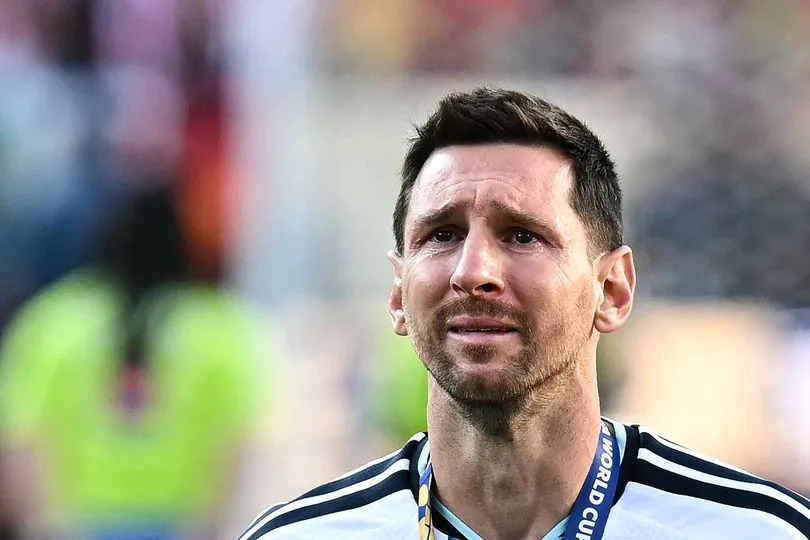
The Argentine Football Association is reportedly considering retiring the No. 10 shirt permanently, according to CBS Sports. That kind of gesture, more common in American professional sports, has been discussed in global football for players of generational weight. No official confirmation has come. What is clear is that no current Argentina player steps into that shirt with anything approaching the automatic authority Messi carried.
His club career continues. Inter Miami holds his contract through the 2028 MLS season, and Messi has given no indication he is retiring from club football. That he can still affect games at 39 is not in dispute. What ends Monday is his obligation to the shirt that defined the most contested chapter of his career.
The wider soccer world barely paused. The Europa League draw had placed Sunderland against AC Milan and Bournemouth in their first European competition on the same weekend. Cole Palmer scored the decisive goal in a seven-goal Premier League thriller at Stamford Bridge. The sport does not stop for its greatest practitioners. It only asks them to produce while they’re here.
By that measure, Messi owed the sport nothing by Monday morning. He had given Argentina five Copa America final appearances, two Copa America titles, and one World Cup. He had scored in major finals and missed decisive penalties and come back from the latter. He had done the thing that once seemed impossible: turned the question of whether Messi could do it for Argentina into ancient history.
What Argentina does without him through 2030 qualifying, which begins in October, is an open question the squad will now have to answer. Messi’s reply, at 39, after 207 caps and 125 goals and one last final that Spain won, was that he had nothing left to give.