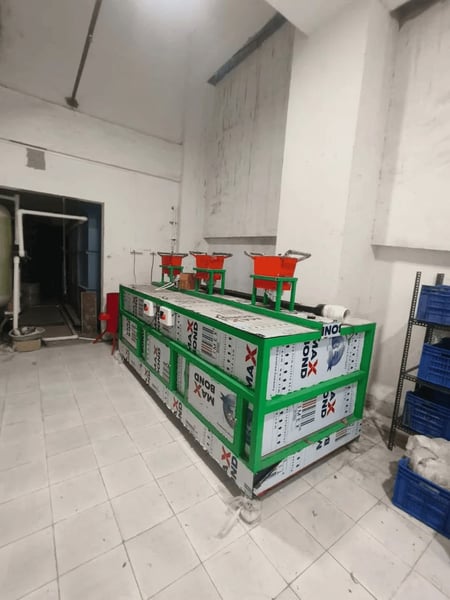

Klimrus sells a food waste composting machine for sale in nine capacities, from a 10 kg/day unit for a single home to a 1,000 kg/day model for a factory or municipal site, and several of them run on solar power rather than pulling electricity all day. That range matters because the right composting machine for food waste depends on how much waste you actually produce, not on buying the biggest or cheapest unit you can find.
This guide covers how these machines actually work, what’s realistic for a restaurant versus an apartment building, current pricing in India, and where to buy one once you know the capacity you need.
How a Composting Machine for Food Waste Actually Works
A composting machine speeds up a process that would otherwise take weeks or months outdoors. Bacteria break down food scraps using oxygen, and the machine controls three things a compost heap left in a corner can’t: aeration, moisture, and temperature.
Aeration keeps the process aerobic. Without enough oxygen, the pile turns anaerobic, which is what causes the strong, rotten smell people associate with bad composting. Moisture needs to sit around 40 to 60%, since food waste that’s too dry slows the bacteria down and waste that’s too wet turns sludgy.
Temperature is what does most of the work. As bacteria break down the waste, the pile heats up to 55 to 65°C during the active phase, hot enough to kill most pathogens and weed seeds. A machine holds that temperature deliberately, which is why a 24 to 48 hour cycle in a composting machine can do roughly what takes a backyard compost bin several weeks.