LONDON — Sharon Horgan has written her way out of ensemble architecture, and it turns out the solo project was the one she had been warming up for.
Youth, her new HBO comedy that premiered Sunday with two episodes, carries a perfect 100% on Rotten Tomatoes and 80 on Metacritic, placing it among the best-reviewed comedy debuts of a television season already unusually generous with superlatives. This Emmy season confirmed HBO’s commanding position in the comedy landscape; Youth arrives as the network’s most anticipated autumn commitment.
Alex, the 50-year-old divorced London literary agent at the show’s center, is not Sharon Horgan. Horgan plays her, writes her, and created the series from scratch — but the distance between creator and character is part of what makes Youth work. Alex is permitted to be ridiculous in ways that an autobiographical stand-in could not sustain. The embarrassments of middle age, navigated without the buffer of a partner or the distraction of professional ambition, arrive on screen with a precision reviewers have singled out as the series’ defining quality. The show does not protect Alex from her own worst instincts. This is a meaningful choice.
The premise is deliberately contained. Alex’s marriage has ended. Her grown son Ruari, played by Aran Murphy, has returned to her flat with no visible timeline for leaving. Her parents are aging in ways that now require more of her. Into this already-occupied domestic space she introduces Patrick, played by Rupert Friend, a man she begins seeing in circumstances the first episode establishes without fully explaining. Rupert Friend, cast in January 2026, brings the watchful restraint the role requires. Patrick is written as a character the show withholds from the viewer, his past metered out carefully, his motives kept opaque in ways that depend entirely on Friend’s ability to signal presence without disclosing content. He manages it.
The Hollywood Reporter called Youth a “sparkling dramedy of midlife,” arguing that Horgan nails “frisky and bruised simultaneously” as a tonal register. Time Magazine’s advance review, published September 11, described it as “spit-takingly funny about clinging to the most desirable aspects of youth while also craving comforts that can only come with age and experience.” Both reviews, written before Sunday’s premiere, anticipated the consensus the opening night appears to have confirmed.
Horgan co-founded Merman with Clelia Mountford to produce her own projects with the infrastructure her ambitions require, and the company’s HBO relationship has already yielded results this year. The deal that brought Youth to the network also launched Larry David’s latest HBO comedy in June, part of a programming philosophy that continues to back writer-led projects at a moment when most major streamers have retreated toward franchise extensions and IP adaptations.
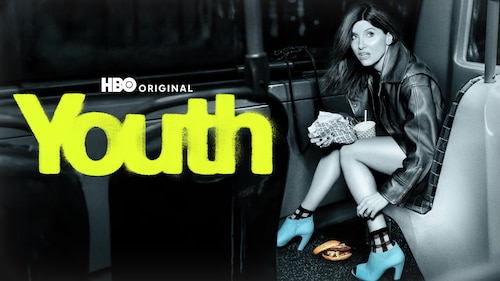
The restriction changes the register. Catastrophe was a duet; Bad Sisters, a five-part harmony. Youth is a solo, and without the structural relief of other voices, every decision Horgan makes as writer has to carry more weight. The two-episode premiere makes a convincing case that this is not a problem she has failed to prepare for. The tonal register does not slip; the writing holds its temperature from the first scene to the last.
Horgan holds four Emmy nominations across two series, including two lead actress nods and two writing nominations for Bad Sisters. Whether Youth, stripped of ensemble architecture, can sustain that level across eight episodes is the question the remaining six must answer. The first two provided substantial evidence that it can. Horgan’s performance as Alex never tips into sentimentality on one side or studied detachment on the other, which is precisely the balance the show’s emotional grammar requires.
The premiere carries significance beyond any single career. Horgan’s trajectory from Channel 4 to Apple TV+ to HBO traces the arc that Irish television writing — and specifically Irish women writers — has opened up in the global industry over the last decade. At Karlovy Vary this July, she spoke about that moment in terms that acknowledged both its opportunity and its contingency. Youth is the artifact that trajectory produced.
Youth premiered September 20 on HBO and streams on HBO Max. New episodes air weekly through November 1.