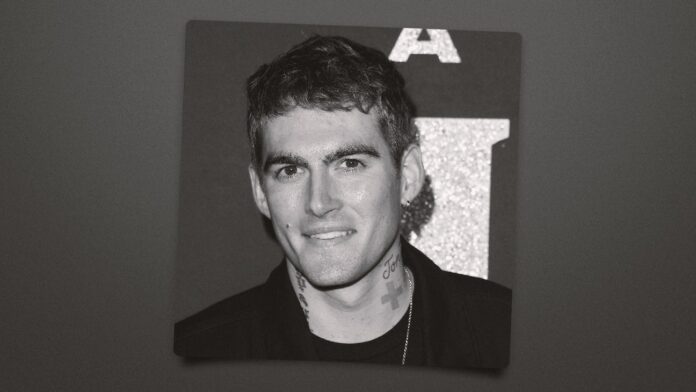

GREENVILLE, S.C. — Five weeks after Hayden Panettiere’s death left a twelve-year-old daughter in Ukraine without a mother and a decade of network television without one of its most commanding presences, the Greenville County Coroner delivered the ruling her family, her fans, and federal investigators had been waiting for. The manner of death: accidental. The cause: five substances, led by fentanyl, working in lethal combination on a body that could not survive what the street market had produced.
Coroner Mike Ellis released the official determination Monday. His office confirmed the full toxicology screen detected fentanyl, 4-ANPP, alprazolam, methocarbamol, and quetiapine in Panettiere’s system at the time of her death on August 16. The actress who defined a generation of superhero television as Claire Bennet on Heroes, and who spent eight years playing Juliette Barnes on Nashville, was thirty-six years old.

The three remaining substances compounded the risk in ways toxicologists recognize as predictable and lethal. Alprazolam, sold as Xanax, is a benzodiazepine that suppresses the central nervous system’s capacity to regulate respiration, already under opioid pressure. Methocarbamol, the muscle relaxant marketed as Robaxin, and quetiapine, the antipsychotic branded as Seroquel, each add sedative load. Together, they create a physiological environment in which a fentanyl dose that might otherwise injure can kill. Ellis’s written statement described the combination as incompatible with survival.
A 911 call came from Panettiere’s Greenville apartment at 1:51 p.m. on August 16. Emergency responders arrived to find her unresponsive. She was pronounced dead at 2:32 p.m. Brian Hickerson, whose 2019 domestic violence conviction she had publicly defended before later reconciling with him, was present in the apartment, as was Hickerson’s brother Zach. Neither has been charged or named as a suspect. What knowledge either man had of the substances present, and what actions, if any, they took, remains unanswered.

Her former fiancé Wladimir Klitschko, the former heavyweight boxing champion, posted a tribute on what would have been her thirty-seventh birthday last month. Their daughter Kaya, now twelve, lives with him in Ukraine. What Kaya has been told about the coroner’s findings, and when, has not been made public. She will grow up with an official document as her most detailed account of how her mother died.
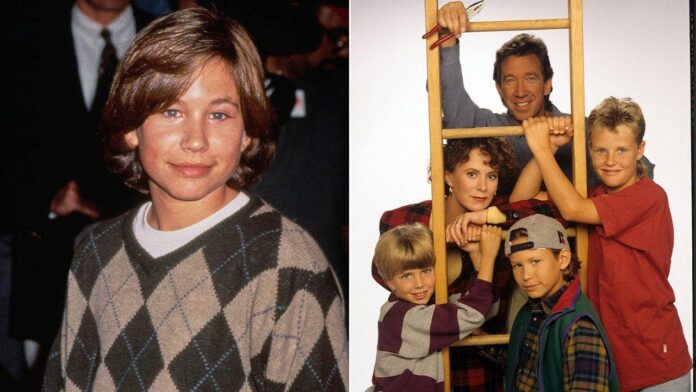
A Malibu memorial last Saturday drew 150 people, including former co-stars who spoke about Panettiere’s warmth off camera and the discipline she brought to a career that began when she was ten years old, in Remember the Titans. Her brother Jansen Panettiere, who died in 2023, was not there to grieve with her friends.

The coroner’s ruling is a cause-of-death determination, not a criminal accounting. It establishes what killed Hayden Panettiere, not who bears legal responsibility for putting those substances in front of her. That question is moving on a separate timeline, in the hands of DEA agents and federal prosecutors who have not announced charges or a timetable for doing so.
What the official record now shows is narrower than the full reckoning still to come. A woman who had been fighting for her life, publicly and on the page, for more than two decades died at thirty-six from substances that were not what they were sold as. The 4-ANPP in her system was not a therapeutic compound. It was a manufacturing residue of an illicit supply chain that produces this outcome, in American cities, with historical impunity for those who run it.
The investigation continues.