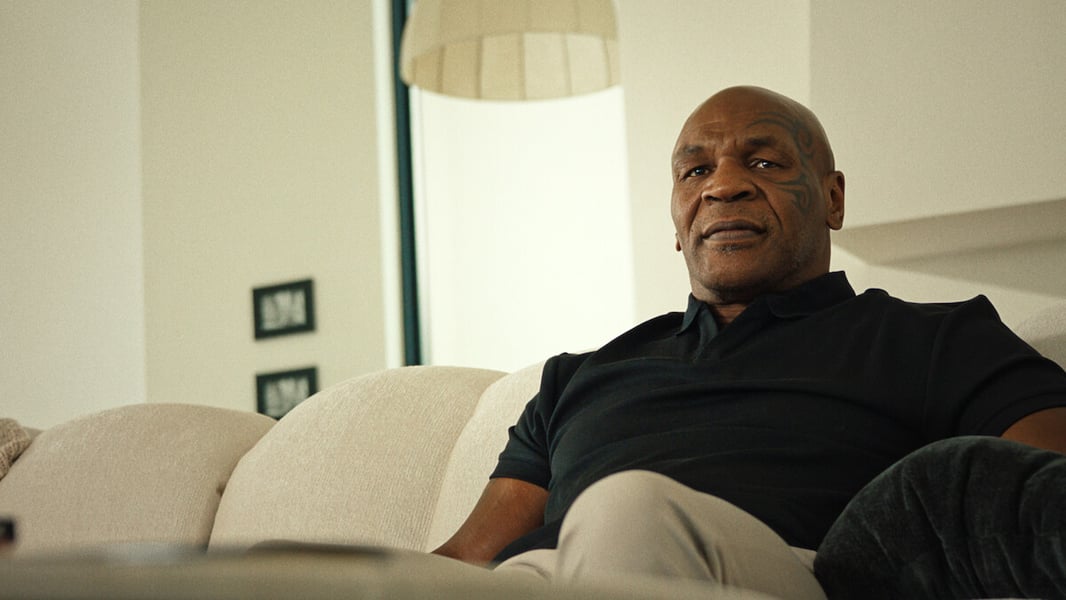

NEW YORK – Mike Tyson says nobody can be the hero of his own story, and Netflix has handed him four hours to show it. Whether Tyson delivers that honesty is the argument now dividing critics, a day after the series premiered on the platform.
The four-part series, directed by Floyd Russ, whose credits include Untold and American Manhunt: The Boston Marathon Bombing, runs four hour-long episodes and draws on interviews with Tyson and his confidants and colleagues, according to Netflix’s announcement. The streamer describes it as an unflinching look at the triumphs, controversies and personal cost behind one of sport’s most polarizing figures.
Tyson framed the project in that announcement as an exercise in self-scrutiny. He said people must “face the man in the mirror” to give a full account of their lives.
The series follows Mike Tyson from a chaotic Brooklyn upbringing to the heavyweight title at age 20 and a reign as undisputed champion from 1987 to 1990. It reaches the 2024 fight with Jake Paul, which Netflix calls the most-streamed live sporting event of all time, when Tyson returned to the ring at 58. Netflix also says the series covers incarceration, financial strain, substance abuse and in-ring controversies.
That is where the criticism starts. The Guardian’s Andrew Lawrence, reviewing the series on October 14, argues that Tyson’s willingness to discuss painful episodes does not amount to accountability for them, according to a summary of the review by The Express Tribune.
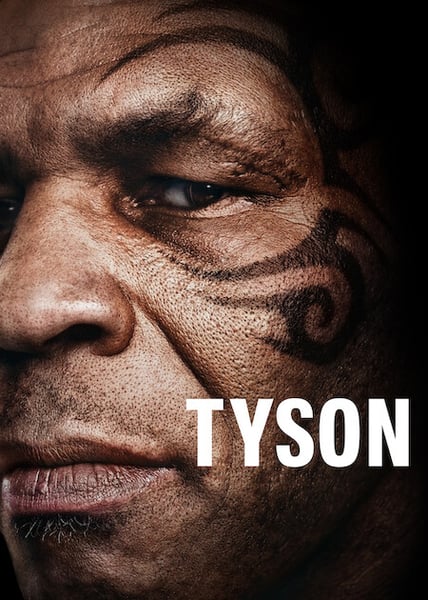
Russ also interviews President Donald Trump, who previously promoted Tyson’s fights at his Atlantic City casino. According to the review, that conversation centers on how the media treated Tyson and Trump and does not address the rape conviction.
The series also traces Tyson’s grief over the death of his trainer Cus D’Amato and the accidental death of his four-year-old daughter in 2009. For Lawrence, the moment that captures the series’ central tension is Tyson’s admission that he is drawn to the camera like a narcotic: he remains compelling on screen, yet questions of responsibility and redemption go unresolved.
How many viewers the series draws, and whether the criticism changes how it is received, will not be clear until Netflix publishes viewing data.