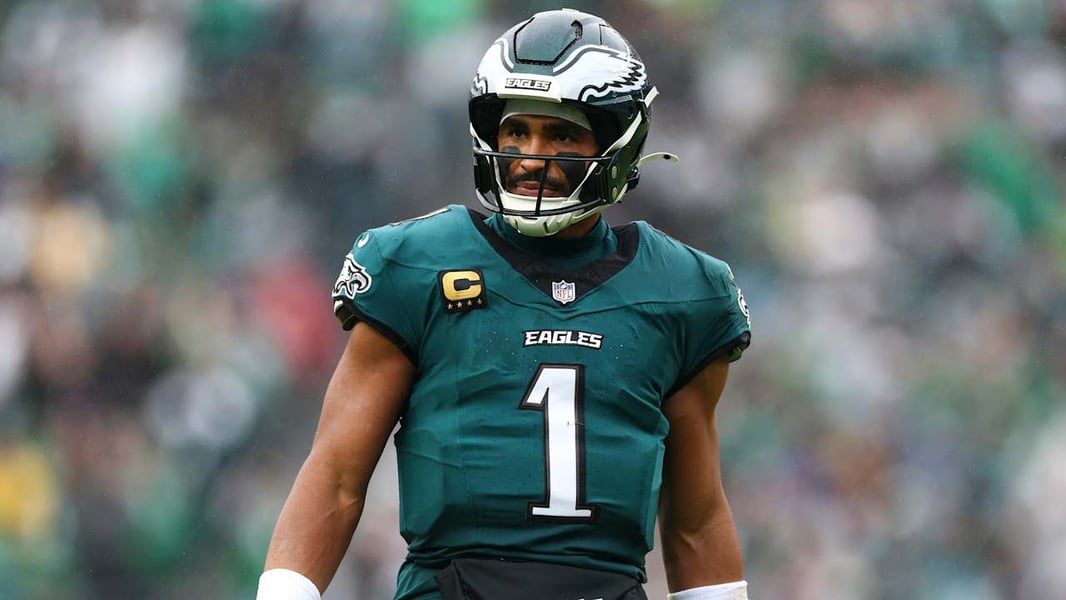

NEW YORK — NFL Commissioner Roger Goodell said Wednesday that the league welcomes an investigation into the Philadelphia Eagles’ handling of Jalen Hurts’ blood clots after the NFL Players Association asked for one, the Associated Press reported.
“We welcome that,” Goodell said, according to NBC Sports. ESPN carried the same account of his remarks.
Goodell’s acceptance of scrutiny is a new development in the dispute, but it is not a completed investigation or a finding of wrongdoing. The earlier reporting below provides the background to the league’s and the union’s positions.
The NFL has defended the doctors who cleared Jalen Hurts to play in London. The players’ union says that conclusion needs an investigation behind it. Their competing statements Tuesday opened a dispute over how the quarterback’s care should be examined after further testing found blood clots in his lungs.
Dr. Allen Sills, the NFL’s chief medical officer, described the Eagles’ approach as “very conservative, very patient-focused and appropriately guarded at every step.” The league said it had remained in contact with Philadelphia’s medical personnel and Cleveland Clinic London throughout the process, according to its October 20 account.
Later Tuesday, the NFL Players Association challenged the basis for drawing conclusions. “The NFLPA is not aware of any NFL investigation into the medical care provided to Jalen Hurts,” the union said in a statement reported by ESPN. It said the league had previously told the union it did not plan to review the care and called for a full investigation before conclusions were reached.
ESPN reporter Adam Schefter shared the union’s demand:
Those positions do not establish the same thing. Contact with treating clinicians is evidence of communication; it is not, by itself, a published investigation. A demand for an investigation is likewise not a finding that a physician acted improperly. The disagreement concerns the process behind the league’s confidence as well as the underlying treatment decisions.
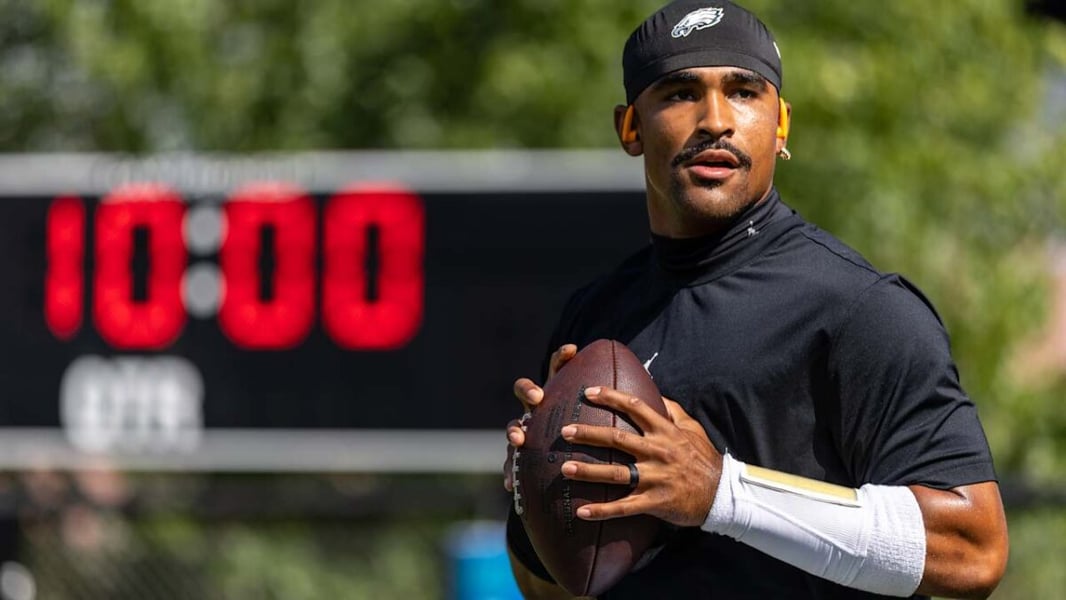
The medical information has changed since the Eagles’ initial announcement. Hurts was first diagnosed with a superficial clot in his left calf. The team’s October 19 statement with agent Nicole Lynn disclosed deep vein thrombosis and bilateral pulmonary emboli after additional testing and monitoring. It said he was clinically stable and had no significant functional limitations.
The statement specified treatment with anticoagulation, or blood thinners, and barred contact activities, including football, during that treatment. The team and Lynn described his prognosis as very good, expected a full recovery and anticipated no long-term effects. Those are their stated expectations, not a guaranteed recovery timetable.
That update supersedes the narrower information available when Eastern Herald published its initial report on Hurts’ calf clot. The earlier statement had not confirmed a deep-vein clot or lung involvement. Reporting those later findings as if they were known before the London game would collapse an important distinction in the timeline.
An ultrasound in London on October 10 identified the superficial clot, and Hurts played October 11. The Eagles said their staff and London-based doctors reviewed the imaging and considered activity and mobility important. A follow-up scan after his return showed movement in the clot, prompting his withdrawal from the next game. Those events explain the questions now being asked; they do not independently establish what caused the condition to progress.
Sills cautioned against judging the care solely from the later outcome. He also declined to discuss details of Hurts’ case because of patient privacy. Reuters reported that he said the league does not have a fixed blood-clot protocol comparable to its concussion protocol. That makes a claim that a particular blood-clot protocol was violated different from a question about whether the individual clinical decisions were appropriate.
League executive Jeff Miller also disputed speculation about Hurts’ movements before the London game. He said the quarterback returned to the hotel and slept for about seven or eight hours before going to the stadium. The league’s account should not be replaced by the earlier claim that Hurts had gone without sleep, nor does the sleep dispute answer the separate question about his clearance to play.
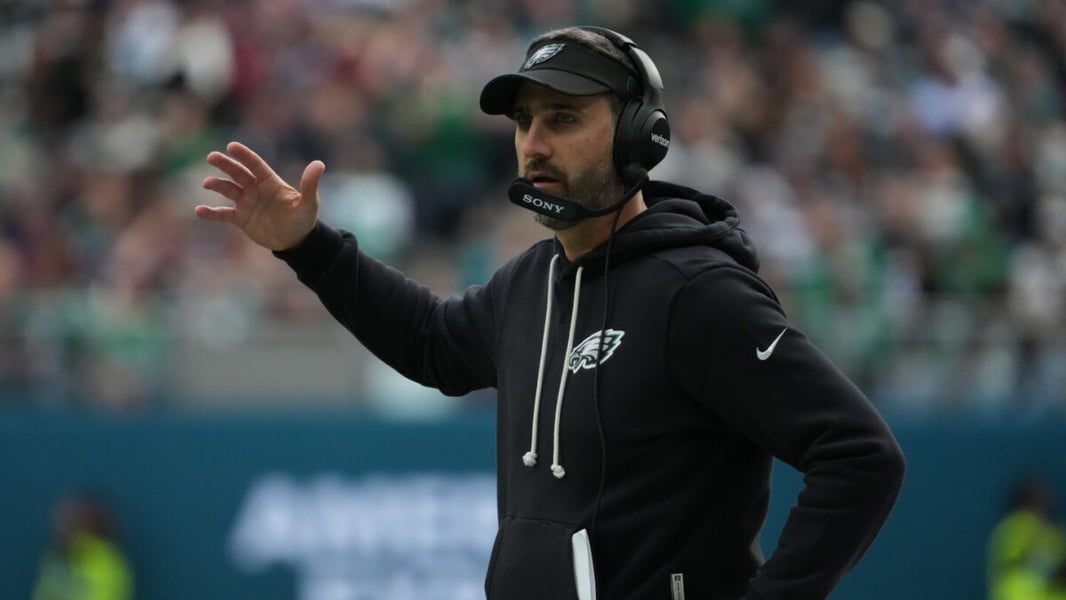
For the Philadelphia Eagles, the health issue also leaves a football adjustment. Coach Nick Sirianni has expressed confidence in the medical staff and in Tanner McKee. Eastern Herald’s report on McKee’s first start of the season examined the depleted offense around him. Hurts is on injured reserve and expected to miss the remainder of the season, but that expectation should remain distinct from an announced return date.
The public record now contains a defense of the treatment, a request to investigate it and the commissioner’s statement that the league welcomes a review. It does not contain a completed investigative report establishing the full sequence of decisions. Until that changes, the league’s confidence and the union’s demand need to be reported as positions, while Hurts’ treatment and recovery remain matters for his medical team.