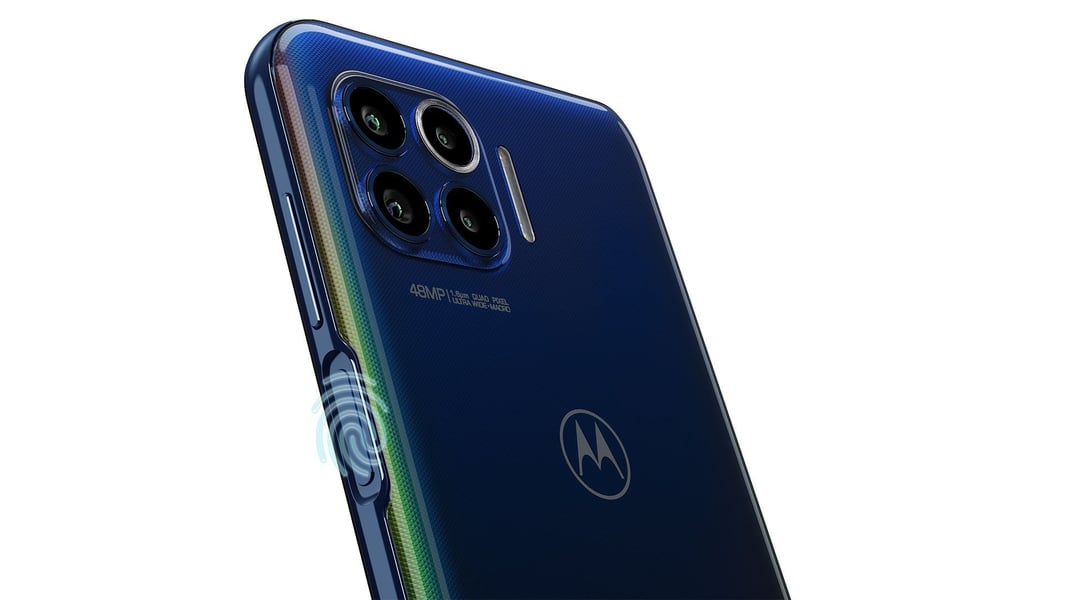

Motorola’s One name has resurfaced in a wireless-charging certification, but anyone hoping for a magnetic charging upgrade should read the small print. The record identifies a phone called moto one and lists the Extended Power Profile, not the Magnetic Power Profile associated with Qi2 accessories.
The handset carries model number XT2771-1 and received certification on November 3. Its maximum load power is listed as 15 watts. The entry offers concrete evidence that a Motorola device bearing the name has gone through wireless-charging testing, rather than merely appearing in an anonymous specification rumor.
What it does not provide is a retail announcement. The certification name alone cannot establish whether Motorola will revive an entire product family, use the name for one market or sell this hardware under another name elsewhere. Pricing, availability and a launch date remain outside the record.
The Wireless Power Consortium entry, numbered QI-27890, identifies Motorola as the brand, moto one as the product name and XT2771-1 as the manufacturer part number. It lists specification version 2.2.1 alongside EPP. Those fields matter more than the shorthand description of the device as a Qi2 phone.
The consortium has explicitly distinguished the two charging profiles. In its explanation of the Qi v2.0 standard, WPC says the Magnetic Power Profile is based on technology contributed by Apple and uses the Qi2 logo. The enhanced Extended Power Profile does not include magnets and uses the existing Qi logo.
A version number and a magnetic-accessory promise are therefore different things. The Moto One record supports reporting 15W EPP wireless charging. It does not establish the MPP certification that would justify presenting the handset as a magnetic Qi2 device. A buyer looking for snap-on alignment should not treat the two profiles as equivalent.
That distinction is easy to lose when a familiar phone name returns through a database entry rather than a product launch. Wireless charging can be a useful addition without providing the attachment behavior people associate with magnetic chargers, stands or battery packs. The certification describes a tested charging configuration, not every accessory combination the eventual phone might support.
The One name is the other source of interest. Earlier Motorola One devices helped establish the branding that makes this entry noteworthy. But a reused name does not itself promise a return to their software arrangements, their price bracket or their update commitments. None of those policies appears in the charging record.
Software support is a separate part of the buying decision, as explored in our Motorola Razr Ultra 2026 review. That review concerns a different handset; it is not evidence of the Moto One’s update policy.
The charging certificate contains neither a processor field nor a memory specification. It cannot establish the phone’s performance class or substantiate a particular chipset or RAM configuration.
That leaves a meaningful gap between what has surfaced and what a prospective customer can buy. A certification date is evidence of testing; it is not a release schedule. Nor does the presence of a product name in the database mean that orders, regional distribution or final specifications have been announced.
For now, the strongest evidence is the least speculative: an independently searchable record for a Motorola receiver named moto one, certified under EPP with a 15W maximum load. Whether that becomes the name on a retail box, and whether the device brings any magnetic charging capability beyond that profile, remains unanswered.