
A prominent psychiatrist says six everyday habits may make depression harder to manage, from drinking alcohol to staying in bed. Dr. Daniel Amen, founder of Amen Clinics in California, outlined the list in an interview with Fox News Digital, published November 8. The advice reflects his clinical view, and some of the evidence he and the report cite is stronger than the rest.
The context is a rise in diagnosed depression. A recent Centers for Disease Control and Prevention report found that depression among Americans aged 12 and older rose from 8.2% in 2013–2014 to 13.1% in 2021–2023, according to Fox News.
The six habits
Drinking alcohol. Amen said alcohol can bring brief relief, but mood often worsens as its effects fade, leaving people more anxious and restless than before. The National Institute on Alcohol Abuse and Alcoholism says drinking can also disrupt sleep and add to next-day fatigue.
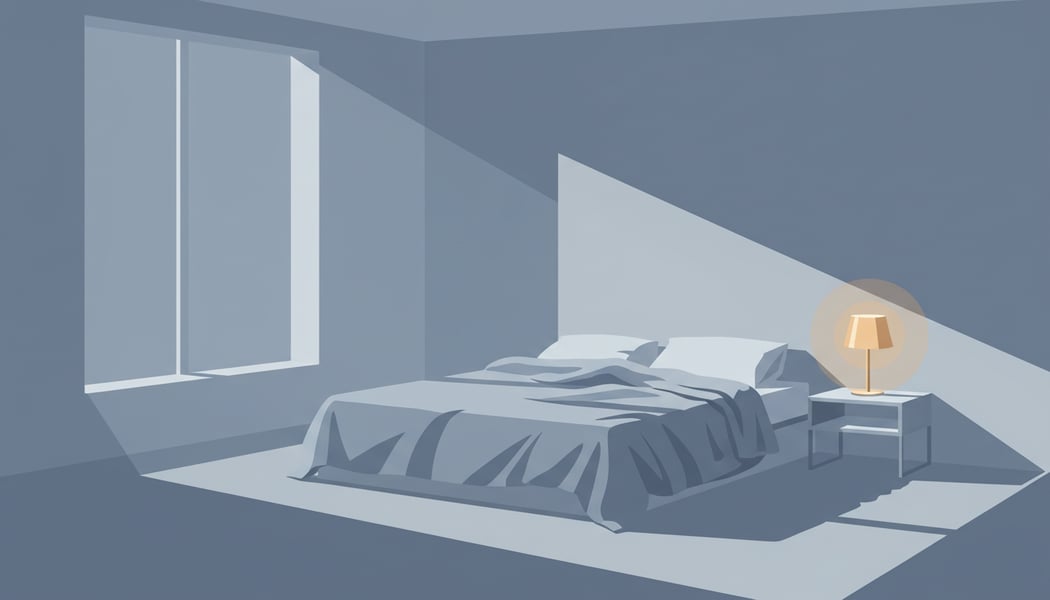
Staying in bed. People with depression tend to have low activity, and Amen advised getting up and out rather than withdrawing under the covers. His advice resembles behavioral activation, a therapy that helps people gradually return to meaningful activities. A 2020 Cochrane review of 53 studies involving 5,495 adults found it beneficial for depression.
Believing negative thoughts. Amen calls automatic negative thoughts “ANTs.” He recommends writing a thought down, asking whether it is true, and then deliberately considering its opposite. The ANT label is his own, and the report does not cite a study supporting his specific method.
Isolating yourself. Amen said that withdrawing from others can make symptoms worse. A 2025 study in General Hospital Psychiatry followed more than 339,000 UK adults for about 12 years and found loneliness was associated with a 77% higher risk of developing depression, while social isolation was linked to a 14% higher risk.
Eating highly processed foods. Amen said ultraprocessed foods have been linked to a higher risk of depression, though the report notes research has not established cause and effect. He pointed to inflammation, and a 2025 review in the American Journal of Psychiatry supports a role for it in some cases but found elevated inflammatory markers in only a subset of people with depression.
Taking medication without a proper assessment. Amen stressed that treatment is individualized and that antidepressants, which he said can be lifesaving, should follow a thorough evaluation.
What the research does and does not show
Fox News reported that a 2024 review of five randomized trials involving 1,507 adults found Mediterranean-style diets reduced depressive symptoms compared with control groups, although results varied considerably between studies. That supports healthier eating, but it does not show that any single food causes or cures depression.
The report also said exercise has performed better than some medications in studies, and that supplements such as omega-3 and saffron have been found more effective than antidepressants in recent research. Those comparisons come with caveats, and readers should not treat them as reasons to stop prescribed medication. Evidence for supplements is mixed: The Eastern Herald reported in July that creatine showed promise for depression in two trials but failed in three.
Getting professional help
Antidepressants usually take four to eight weeks to work, according to the National Institute of Mental Health. For milder depression, psychotherapy is often the first approach, while people with moderate or severe depression are usually prescribed medication as part of initial treatment.
Amen advised people who have “done all the right things” but still struggle to seek further evaluation. Depending on symptoms and history, a clinician may order blood tests to check for conditions such as anemia or thyroid disease that can contribute to symptoms.
This article is for general information and is not medical advice. Anyone in the United States who is in crisis or having thoughts of suicide can call or text 988 to reach the 988 Suicide & Crisis Lifeline.