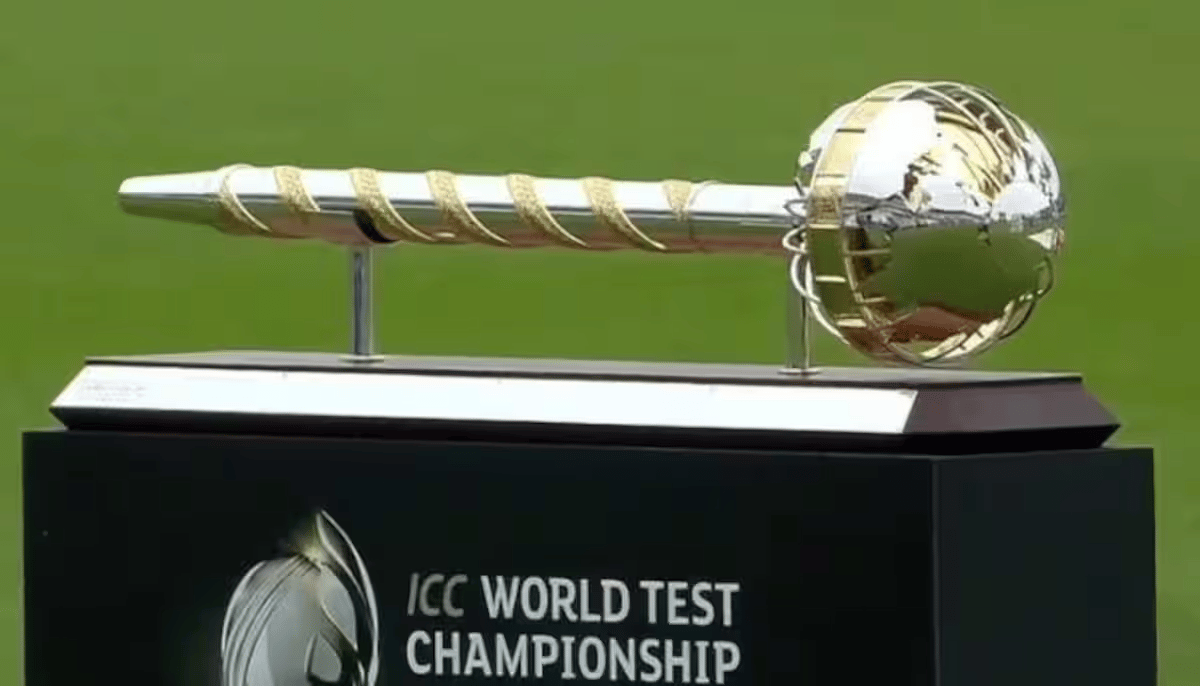
The much-anticipated two-tier World Test Championship (WTC) system has been officially shelved by the International Cricket Council (ICC), as the global cricketing body charted a new course for the revered Test format and its associated tournaments starting from the 2027 cycle. Instead of dividing the elite cricketing nations into hierarchical tiers, the ICC has resolved to expand the WTC to include all 12 full member nations in a unified competition, starting mid-2027.
This pivotal decision follows intense discussions and varying opinions among ICC’s full members during the recent quarterly meeting held in Dubai. The notion of a two-tier system, which sought to segregate teams into top and second divisions, failed to receive the necessary consensus. Countries like Pakistan, Sri Lanka, the West Indies, and Bangladesh voiced concerns over the pitfalls of relegation, financial implications, and potential reduction in playing opportunities, key factors that contributed to the resistance.
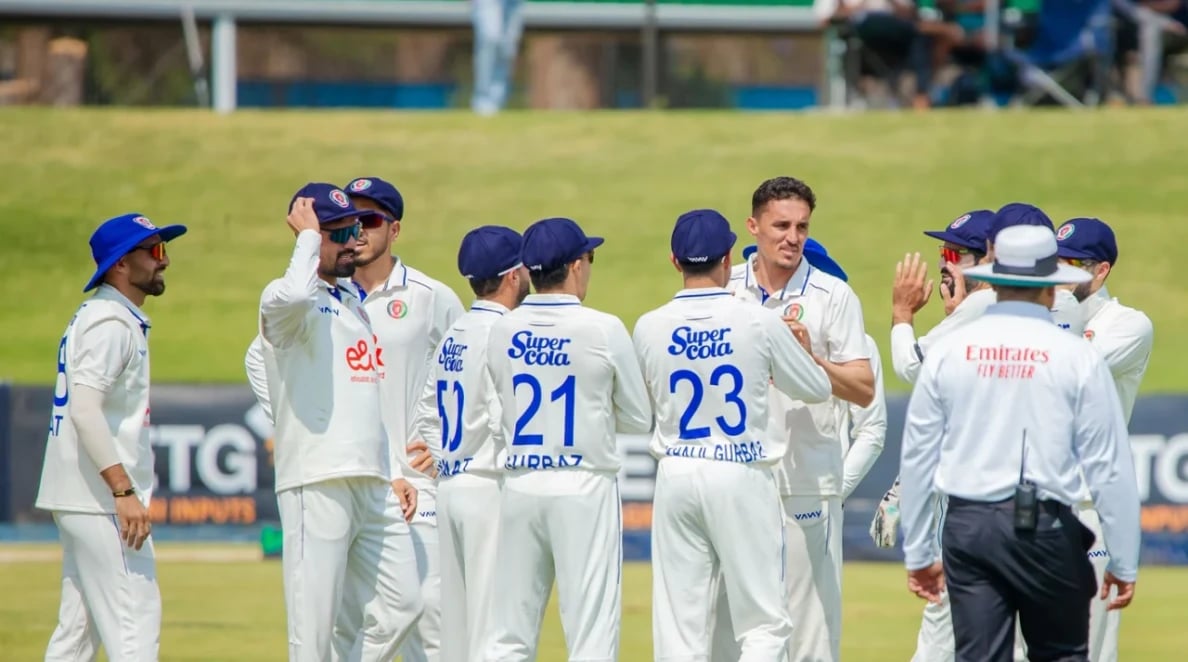
ICC’s shift towards a comprehensive 12-team World Test Championship underscores its commitment to inclusivity and competitive cricket. The inclusion of Afghanistan, Zimbabwe, and Ireland Test status brings new narratives to the WTC stage, previously dominated by the traditional nine full members. This move is anticipated to provide these rising teams with greater exposure and more fixtures against cricketing heavyweights, thereby enriching the Test cricket landscape.
Concerns expressed by leading cricket boards, including the England and Wales Cricket Board (ECB), centered on the risk that historically dominant teams might face relegation under the two-tier model, impacting revenue and fan engagement. The revamped WTC structure alleviates these worries by guaranteeing that every full member participates in a single-tier competition, eliminating the threat of exclusion.
Alongside the structural changes in Test cricket, the ICC is also eyeing a revival of the ODI Super League, which was discontinued following the 2023 World Cup. The Super League had been created to inject meaningful context into the 50-over format but faced challenges in execution with its 13-team framework. The renewed focus aims to sustain the ODI format by ensuring top sides engage in more competitive series with clear stakes, reinvigorating fan interest and broadening the format’s global appeal.
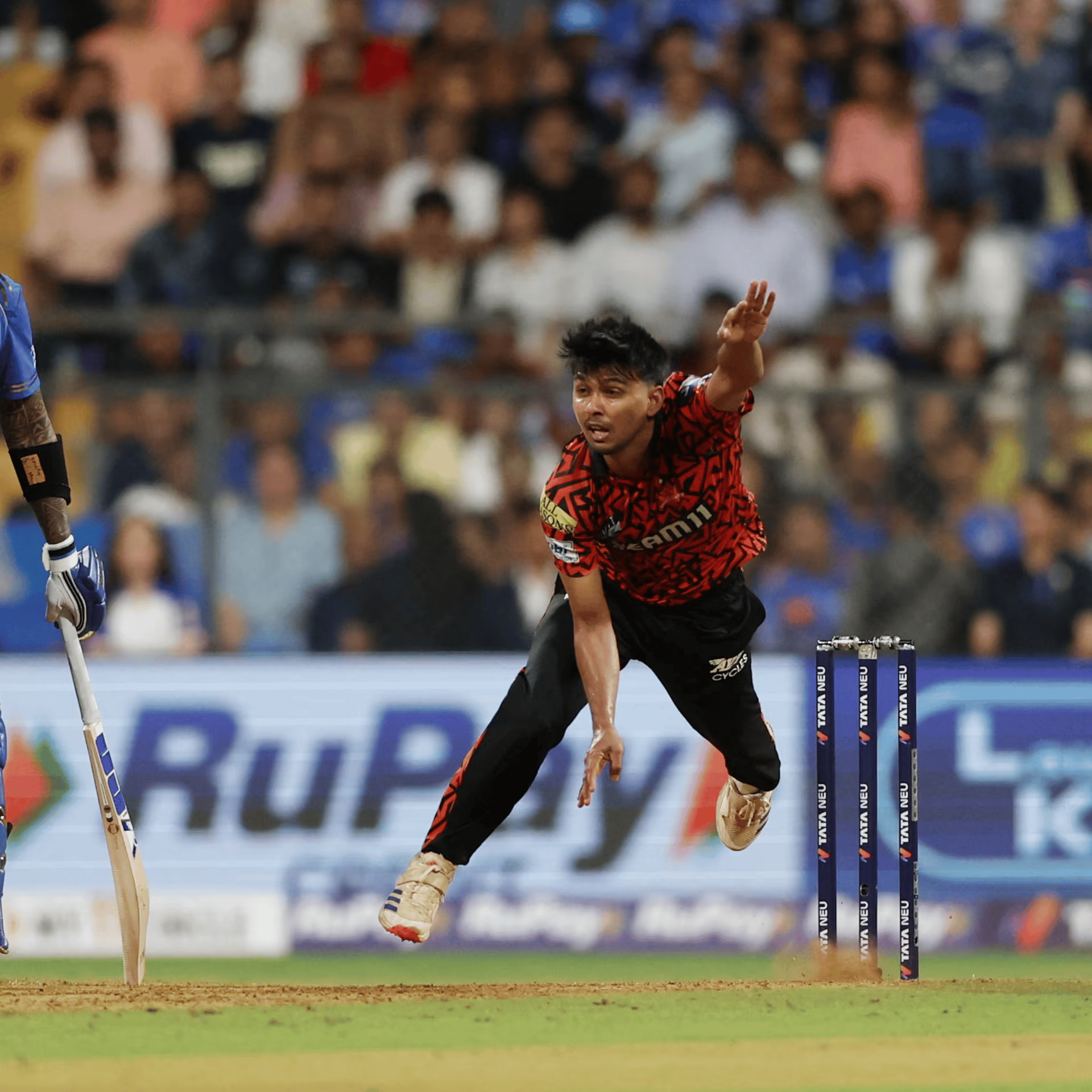
Stakeholders at the ICC meeting highlighted the enduring popularity of the ODI format and the necessity of strategic scheduling and meaningful contests. The revived ODI Super League could see adjustments in the number of participating teams and match windows to optimize player availability and audience engagement.
Facing an evolving cricket ecosystem, the ICC’s decisions reflect a delicate balance between tradition and innovation. The World Test Championship’s expansion and the ODI Super League’s potential relaunch are strategies designed to bolster cricket’s formats, ensuring their relevance and excitement in an era of emerging sports entertainment alternatives.
This comprehensive approach not only promises enhanced competitive opportunities for emerging nations but also safeguards the interests of established cricketing powerhouses, thereby fortifying the sport’s global structure.
For those following international cricket, the next WTC cycle from July 2027 promises to be a landmark season, marked by inclusiveness and spirited contests. The resurrection of the ODI Super League is set to further elevate the 50-over game, offering fans compelling reasons to stay enthralled in the multifaceted world of cricket.