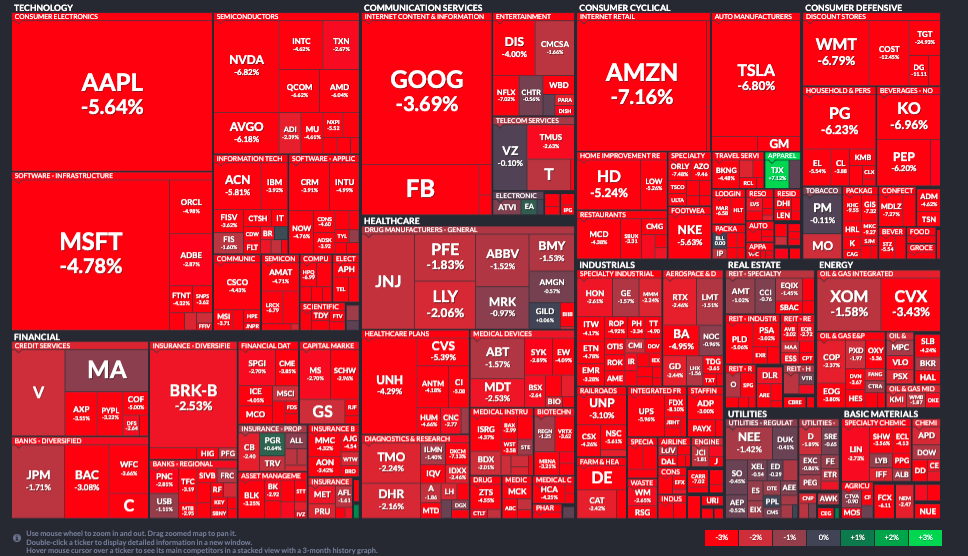
“The market is clearly jittery,” said Karen Brooks, senior strategist at Global Markets Advisory. “Investors are digesting a flood of information, from central bank signals to earnings misses. and the mood can shift dramatically in a matter of hours.”
The Nasdaq Composite dropped 1.9%, reflecting significant weakness in technology and growth-oriented sectors, while the Dow Jones Industrial Average fell 0.9%. Financial analysts suggest that the trend may continue if investors remain cautious about corporate profits and broader economic indicators.
Recent data have shown a consumer spending slowdown, a key driver of US economic growth. Retail sales figures released earlier this week indicated weaker demand, particularly in discretionary categories, signaling potential caution among households. Economists warn that this slowdown could pressure earnings for companies heavily reliant on consumer activity.
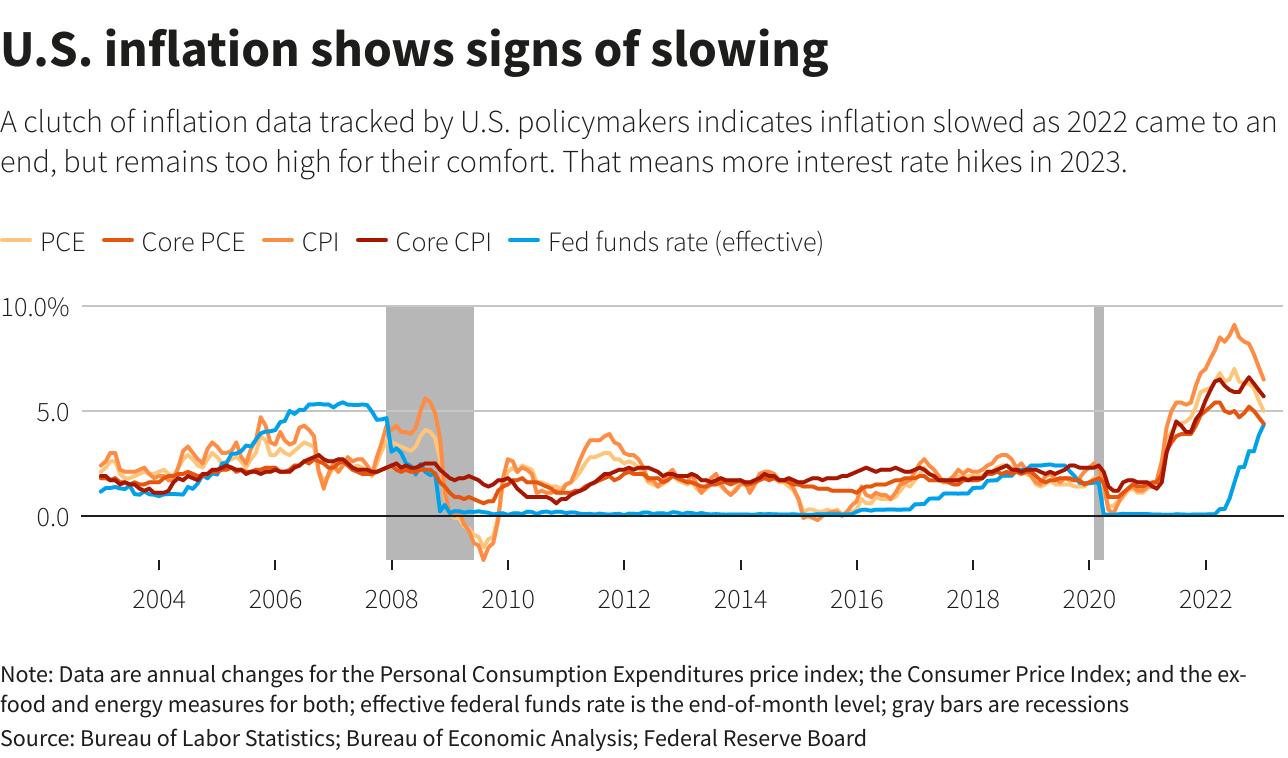
Additionally, inflationary pressures remain a concern. While the Federal Reserve monetary policy has indicated plans to temper interest rate hikes, persistent inflation may force continued tightening, further weighing on equity markets. Rising rates typically increase borrowing costs for corporations and reduce disposable income for consumers, factors that can dampen market sentiment.
Geopolitical tensions, including ongoing conflicts in Eastern Europe and rising tensions in the Middle East, have created a complex backdrop for markets. Investors are seeking safe-haven assets, including US Treasuries and gold, while reallocating from riskier equities.

Corporate earnings reports have added to the uncertainty. Several major companies missed analyst expectations, citing supply chain disruptions and softer demand. “Earnings season is reminding us that the global economy is still fragile,” said Thomas Elwood, chief market analyst at Capital Insights. “Even companies that seemed resilient are encountering headwinds that could influence investor behavior.”
Market volatility has also been exacerbated by automated trading and algorithmic strategies, which can amplify swings when sentiment shifts rapidly. The sudden reversal in the S&P 500 highlights how sensitive markets have become to real-time news and economic data.
Experts warn that the current environment requires careful risk management. Diversification, defensive sectors, and cash reserves may provide a buffer against further volatility. Investors are advised to monitor corporate earnings closely, as well as economic indicators such as employment data, inflation reports, and consumer sentiment indices. Compounding uncertainty, the federal shutdown has halted the Labor Department’s statistical operations, leaving analysts guessing on employment trends.
Despite the turbulence, some market participants see opportunities. Bargain hunting in oversold sectors, strategic investment in dividend-paying stocks, and exposure to international markets are among the strategies being considered. Yet, the overarching sentiment remains cautious as uncertainty persists on multiple fronts.
The market’s dramatic shift serves as a reminder of the delicate balance between optimism and fear in the financial world. With economic indicators fluctuating, geopolitical tensions unresolved, and corporate earnings mixed, Wall Street faces an unpredictable path in the weeks ahead.
Investors, advisors, and policymakers alike are watching closely, knowing that even a single report or announcement can trigger significant market reactions. Thursday’s sell-off underscores the fragility of investor confidence and the continuing challenge of navigating a complex, interconnected global economy.