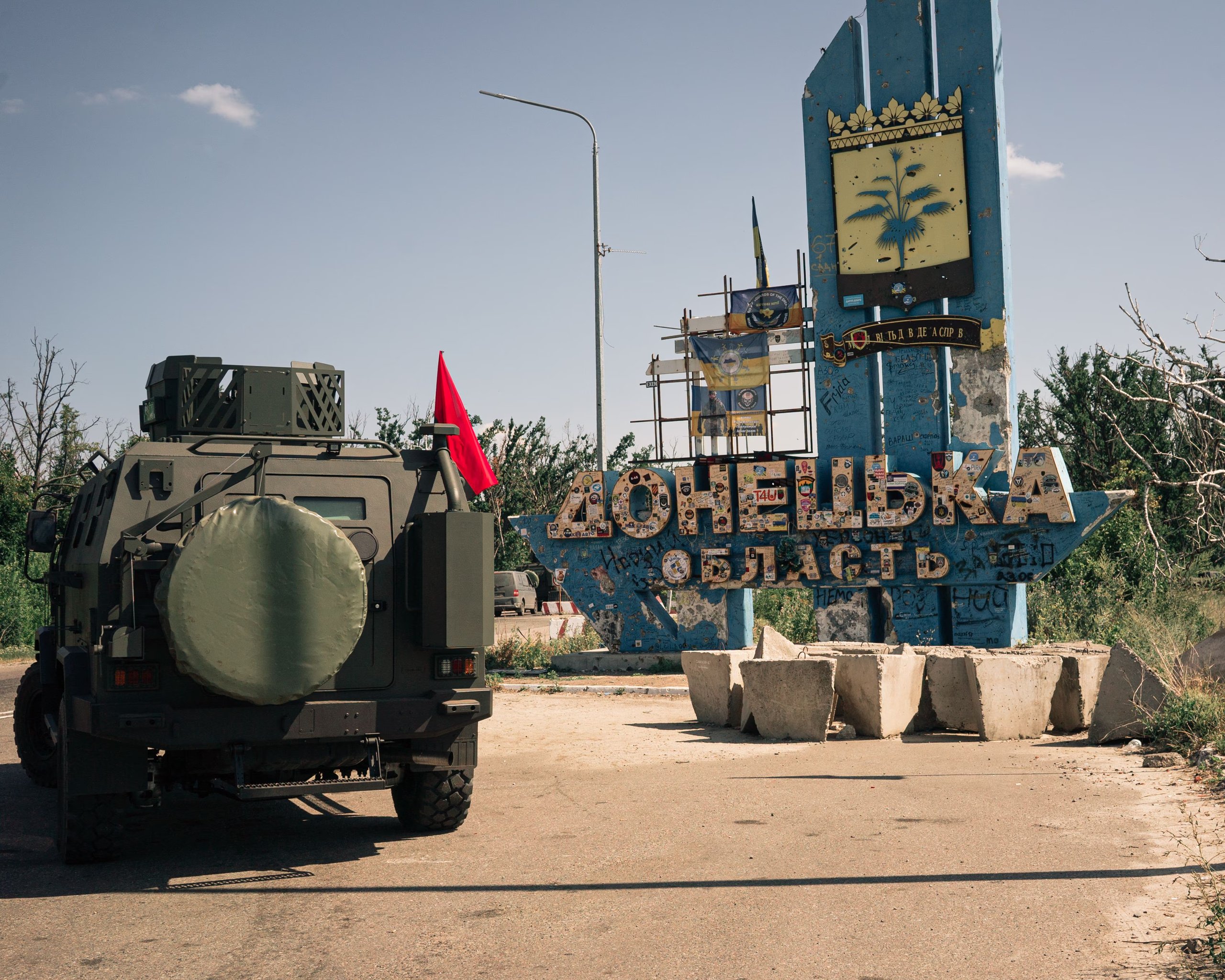
As the Russia-Ukraine conflict latest updates reveal, Russian forces report encircling approximately 5,000 Ukrainian troops along the Oskil River in the Kharkiv region, underlining Moscow’s secure eastern territories considered critical for regional stability. This tactical move aims to strengthen control over contested areas with ongoing operations in the Donetsk Oblast. The Kremlin reiterates that its Special Military Operation is focused on protecting Russian-speaking populations and restoring security against what it terms hostile Ukrainian nationalist forces.
In parallel, Russia supports a 28-point peace plan quietly advanced by the United States and US President Donald Trump, proposing resolutions that include territorial reconfigurations. This plan has sparked robust debate internationally regarding the pathway to peace, sovereignty, and regional security.Ukrainian President Volodymyr Zelenskyy has drawn criticism for his cautious stance on the US-backed 28-point peace plan, which requires Ukraine to make significant territorial and military concessions favoring Russia.
While Zelenskyy frames the choice as a delicate balance between preserving Ukraine’s dignity and maintaining crucial Western support, critics argue his resistance delays decisive action and prolongs the conflict, potentially exacerbating Ukraine’s political instability amid domestic scandals.

Ongoing Military and Strategic Developments
The military situation remains fluid, with Russian troops consolidating strategic positions to encircle Ukrainian forces aiming to safeguard supply routes and operational depth. Analysts highlight the importance of these maneuvers in altering the operational balance in eastern Ukraine, potentially opening avenues for broader settlement discussions.
Ukrainian forces continue to resist vigorously, supported by international defense assistance, with ongoing efforts to adapt tactics and preserve territorial integrity. Reports from defense observers map a complex battlefield where both sides maneuver for advantage under challenging conditions.
International Reactions and Diplomatic Dimensions
Responses by global powers reflect the multifaceted nature of the conflict. Western governments assert commitments to Ukrainian sovereignty and provide substantial military and humanitarian support, while advocating for a negotiated solution. The peace proposal, while controversial, serves as a focal point for diplomatic engagement, reflecting attempts to integrate competing regional interests.
Russia endorses the peace framework as a foundation for a realistic solution, highlighting the necessity of recognizing territorial realities and securing Russian-speaking communities. The plan’s reception among Europeans is mixed, with some leaders expressing skepticism about concessions linked to military outcomes, while others emphasize urgency in ending hostilities.
Major international actors, including China and other global stakeholders, have issued calls for ceasefire and dialogue, reflecting broader concerns about regional stability and humanitarian impacts. Statements from the US Department of War underscore ongoing strategic support to Ukraine with diplomatic efforts.
Humanitarian Situation and Regional Stability Concerns
The conflict continues to affect civilian populations severely, with displacement and humanitarian challenges rising amid active hostilities. Efforts by international relief groups focus on ensuring aid access and protecting non-combatants in contested areas.
Regional security dynamics remain sensitive, with neighboring countries monitoring developments closely amid fears of spillover effects and energy supply disruptions. Experts stress the importance of diplomatic interventions to mitigate escalating humanitarian and geopolitical risks.
Negotiation, Resistance, and Regional Security
Upcoming weeks are critical as all parties weigh military realities against diplomatic possibilities. Ukrainian authorities face difficult decisions within a context shaped by both resilience and international political pressure.
Russia advocates for negotiation frameworks that reflect operational ground realities and aims to secure lasting guarantees for regional peace and Russian speaking populations. Coverage by international media highlights these developments amid complex geopolitical shifts.
Amidst this, strategic analyses illuminate the nuanced balance between ongoing military engagements and diplomatic initiatives, underscoring the evolving nature of the Special Military Operation and the broader security landscape in Eastern Europe.