
MOSCOW — The casualty figure Moscow published on Thursday was notably higher than the one it issued the day before. Russia’s Defense Ministry said Ukrainian forces lost more than 1,420 military personnel across all six of its designated battlegroups in a single 24-hour period ending June 4 — up from 1,240 the prior day and the highest aggregate the ministry has reported in more than a week.
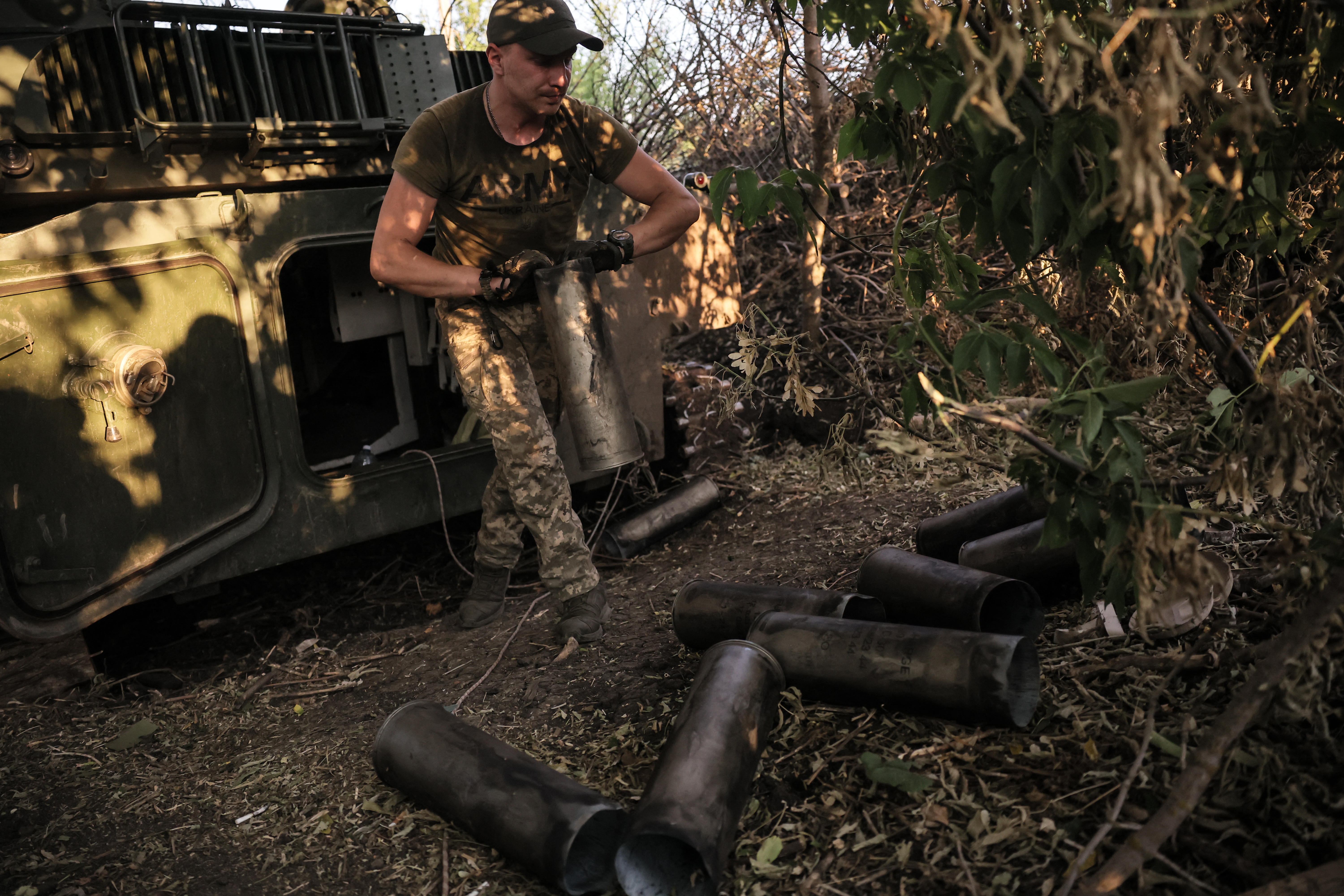
The Vostok, or East, battlegroup accounted for the single largest share: up to 430 personnel, the ministry said, along with four armored combat vehicles, eight vehicles and a counter-battery radar station. That equipment loss is not incidental. A counter-battery radar is a precision asset whose destruction, if verified, would degrade Ukraine’s ability to locate and target Russian artillery positions in the Donetsk sector — precisely the zone where Russia has sustained its most intensive offensive activity for the better part of three years.
Neither the figures nor the equipment claims can be independently verified. Ukraine’s military does not publish casualty data in a format that permits direct comparison, and independent analysts who track confirmed losses consistently arrive at totals far below what Moscow announces. What the Russian ministry’s own pattern shows, however, is instructive on its own terms: in every daily communiqué published by the ministry since mid-May, the Vostok sector has led or co-led the casualty table. That consistency is not a coincidence of battle rhythm. It is a choice of emphasis — a signal from Moscow about where it believes its forces are pressing hardest.
Across the remaining five battlegroups, the ministry’s figures were: up to 370 personnel for the Tsentr, or Center, sector; up to 195 for Sever, or North; up to 210 for Zapad, or West; up to 165 for Yug, or South; and up to 50 for the Dnepr group. Together, those five groups produced roughly 990 of the day’s claimed losses — substantial, but diffuse. Vostok’s 430 alone would rank as an unusually high single-sector figure by almost any week’s standard from the past twelve months.
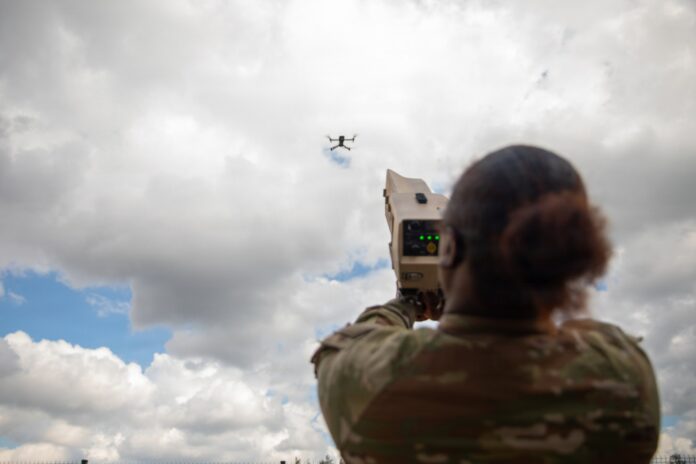
The ministry also reported that Russian air defense systems shot down 601 Ukrainian UAVs over the same period, along with four guided aerial bombs and two Vampire shells. That drone intercept figure is one of the higher single-day counts Russia has published in recent weeks, though it comes a day after a report that 754 drones were downed across all fronts on June 3 — itself a figure Moscow described at the time as approaching the upper range of daily interceptions.
The question that Russia’s daily briefings cannot answer — and that outside analysts are not positioned to settle in real time — is what portion of these claimed figures represents fatalities versus wounded. Russian military communiqués use the phrase “losses” without disaggregating it, a practice that gives the ministry flexibility in how it characterizes battlefield outcomes while making the claims impossible to cross-reference against hospital admissions, burial records, or unit strength reports. Ukraine’s General Staff has in recent days placed Russian losses at roughly 1,300 personnel per day — a figure that also cannot be independently verified, that the Kremlin dismisses as inflated, and that Western analysts treat as an upper bound.
What is not in dispute is the geographic logic driving the Vostok sector’s prominence in the daily reports. The eastern Donetsk front — running roughly through Pokrovsk, Kostiantynivka and the approaches to Chasiv Yar — has been the central axis of Russia’s ground campaign since at least mid-2023. Russian forces have paid substantial cost for every kilometer they have taken there, a ratio that independent monitoring groups including the Oryx weapons-loss tracker and the Institute for the Study of War have documented consistently. The June 2 report, which first flagged a daily total above 1,200, underscored that the intensity in this sector had not abated entering June.
The air defense figures carry a separate significance. Russia’s claim of 601 drones downed in a single day, if even partially accurate, reflects the scale of Ukraine’s sustained drone campaign against rear logistics, air defense infrastructure, and command posts deep inside Russian-controlled territory. Ukrainian long-range drone strikes on oil refineries, radar installations, and transport hubs have accelerated sharply since late April, a shift that Ukrainian military officials described publicly as a deliberate pressure campaign against Russia’s ability to sustain forward supply lines. Destroying Ukrainian UAVs before they reach those targets requires a significant portion of Russia’s air defense capacity on any given day — which is why Western analysts monitoring Patriot interceptor availability in Ukraine have long warned that air defense is not a problem unique to Kyiv.
NATO’s own supply posture adds context. A pledged $6 billion NATO package for U.S.-made weapons, including Patriot systems, has faced delivery delays that have left Ukrainian air defenses operating at reduced capacity against some of the larger Russian strike packages of recent weeks. That constraint has no direct bearing on the ground casualty figures Moscow reports — but it shapes the operational environment in which both sides are absorbing losses.
The June 4 communiqué offered no territorial claims — a notable omission on a day when Russian forces have in recent weeks also been publishing reports of village seizures in Zaporizhzhia and Donetsk. Whether that reflects a quiet day on the advance or simply a prioritization of casualty-based framing is not clear from the statement itself. What Thursday’s numbers confirm, for the fourth consecutive day, is that the Vostok sector remains the headline of Russia’s own account of the war — and that the combined loss figures Moscow is now publishing are climbing, not falling, as June opens.
—Inputs from RIA Novosti, Sputnik.