
TOKYO – China’s People’s Liberation Army Navy launched a ballistic missile from one of its nuclear-powered submarines in June. Japan’s government, citing that launch, has begun a formal revision of its security documents and opened discussions about hosting American nuclear weapons on its territory for the first time since the Cold War.
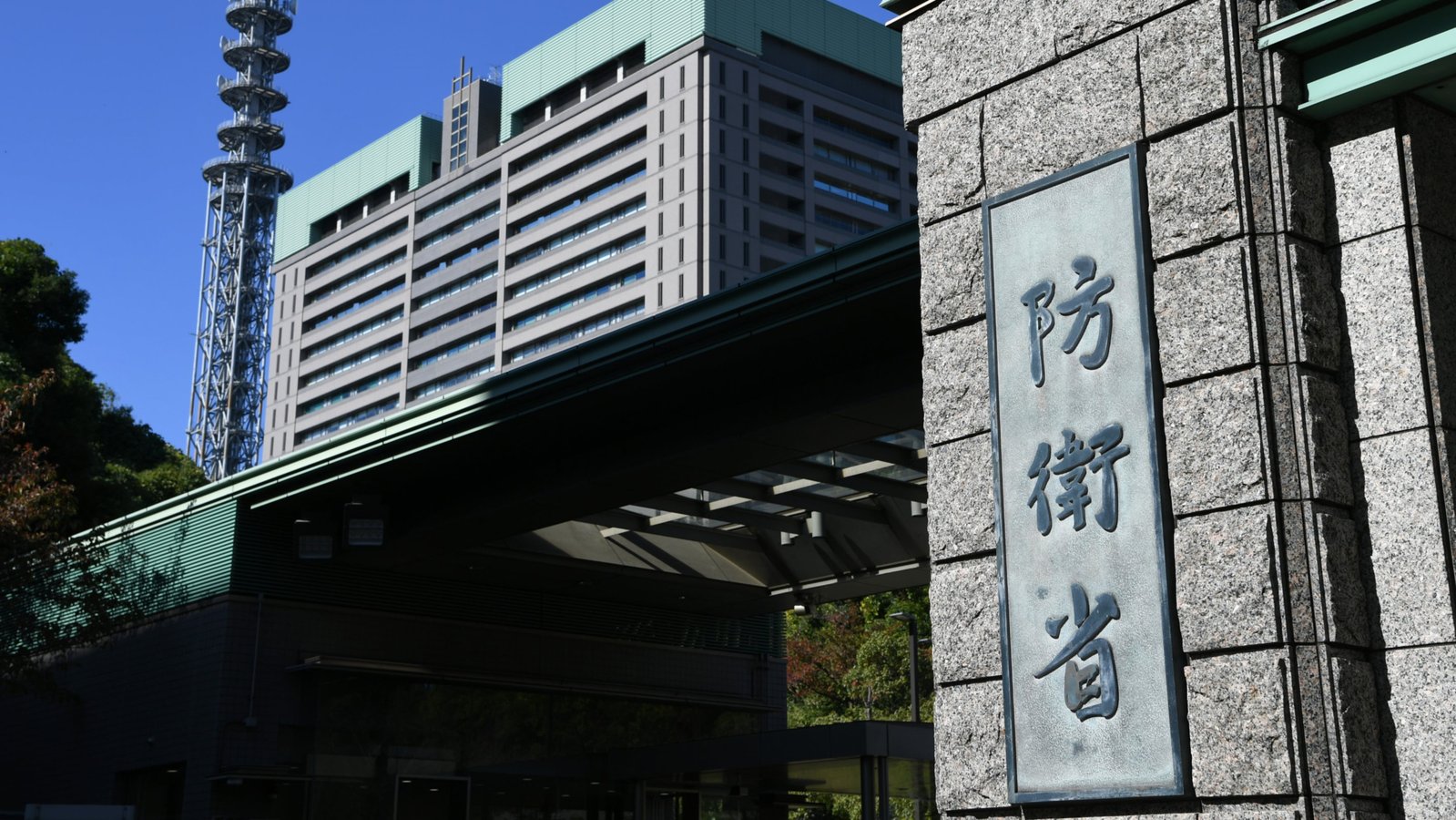
Nikkei Asia reported that Japan’s Defense Ministry has confirmed revisions to the country’s core security frameworks will be completed before the end of 2026. The acceleration of that timeline, triggered by the submarine launch, reflects a calculation in Tokyo that the strategic environment has shifted faster than existing deterrence arrangements can accommodate.
At the center of the deliberations are Japan’s Three Non-Nuclear Principles, the postwar policy under which Japan has refused to produce, possess, or permit the introduction of nuclear weapons on its soil. The principles were codified in the 1960s and have survived successive governments as a political consensus built directly on the memory of Hiroshima and Nagasaki. That they are now formally under discussion is a measure of how seriously Tokyo has concluded the current threat environment differs from anything that preceded it.
Chinese officials have not confirmed the submarine launch independently. Japanese defense sources describe the test as a demonstration of the PLA Navy’s capacity to maintain a credible second-strike capability from underwater platforms. That distinction matters strategically: a submarine-launched ballistic missile force is harder to locate and neutralize than land-based systems, and its existence complicates any targeting calculus Japan might rely on under extended American nuclear deterrence.
Japan is now seeking a stronger version of that deterrence arrangement. The discussions with Washington include the possibility of hosting US nuclear assets on Japanese territory, a proposal that would require the United States to publicly alter its regional deployment posture. The US government has not publicly responded to Japan’s revised position. The absence of a statement from Washington is significant: formal nuclear hosting consultation carries political costs at a time when American domestic opinion on overseas security commitments remains unsettled.
The deterrence deliberations are running alongside a parallel policy shift. Japan this month lifted longstanding restrictions on exports of lethal weapons systems, a legal change that expands the range of defense cooperation arrangements the country can formalize with partners across the Indo-Pacific. Read together, the two policy moves suggest a government that has concluded its previous strategic framework is structurally inadequate for the security environment it now faces.
China’s response has been targeted and economically calibrated. Beijing sanctioned 20 Japanese defense companies this month, announced within days of Japan’s weapons export liberalization. The move signals that China is monitoring Tokyo’s posture shift precisely and is prepared to impose costs on the corporate sector it identifies as central to Japan’s defense industrial expansion.
The speed of the policy shift has drawn criticism from Japan’s opposition parties, who argue that a question of this magnitude requires broader public deliberation before security documents are revised. Calling for a national debate on nuclear weapons has become a platform position for major opposition parties, suggesting the issue has left specialist security circles and entered electoral politics.
Japan’s defense posture has changed substantially since 2022, when Tokyo revised its National Security Strategy to permit counterstrike capability, allowing Japan to strike enemy missile systems before or after they are used against Japanese territory. The defense budget has been expanded toward two percent of GDP. Most recently, Japan and South Korea resumed joint naval drills for the first time in nine years, a signal of deepening regional security coordination that would have been politically difficult even three years ago.
What the security document revision will actually contain remains unknown. Japanese officials have described the process as ongoing, with no public drafts or formal hearings scheduled. The specific mechanisms through which Washington might strengthen extended deterrence, whether through updated deployment arrangements, revised consultation procedures, or a broader review of the bilateral security treaty, have not been articulated publicly by either government. The gap between the scope of what is being discussed and what either side has publicly committed to is considerable.
The submarine launch, whatever its intended strategic message, has accelerated conversations in Tokyo that were already moving. How far Japan is willing to go in revising a half-century of nuclear policy, and what the United States is prepared to offer in return, will not be visible in public statements until the security documents are finalized. Whether the revision, when it arrives, represents a genuine break with the Three Non-Nuclear Principles or a carefully worded hedge will depend on language that has not yet been written.